Imagine descending into a massive underwater sinkhole, surrounded by limestone stalactites frozen in time for thousands of years, while Caribbean reef sharks glide silently beneath you. This isn’t a scene from a documentary—it’s the reality of great blue hole scuba diving, one of the most iconic dive sites on Earth.
- Quick Answer: Is Great Blue Hole Scuba Diving Worth It?
- What Makes the Great Blue Hole Special
- Great Blue Hole Scuba Diving Requirements
- What to Expect During Your Dive
- Best Time for Great Blue Hole Scuba Diving
- Cost and Booking Information
- Essential Gear and Preparation
- Safety Considerations
- Marine Life Encounters
- Alternative Dive Sites Near the Great Blue Hole
- Frequently Asked Questions
- Conclusion: Is Great Blue Hole Scuba Diving Right for You?
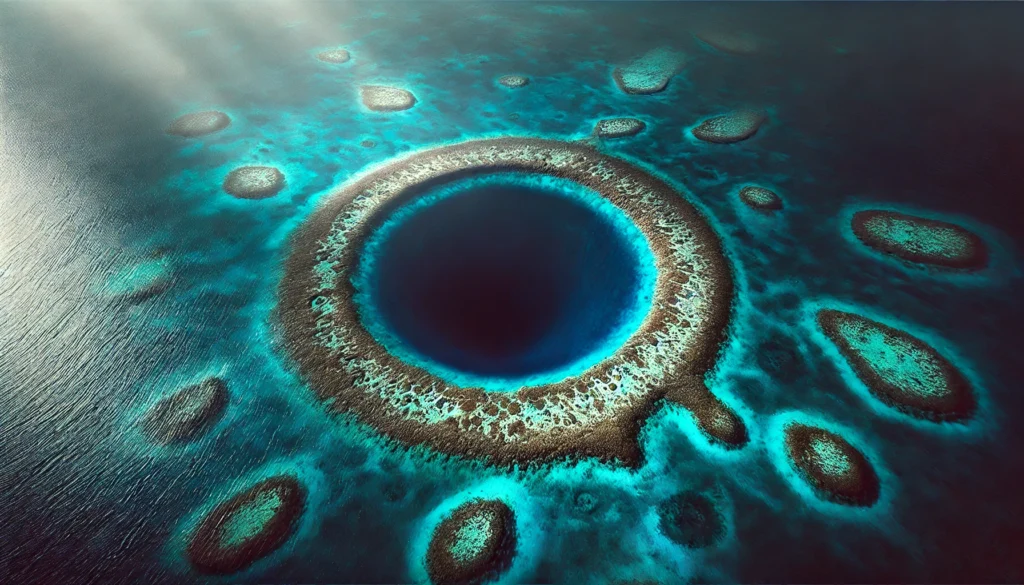
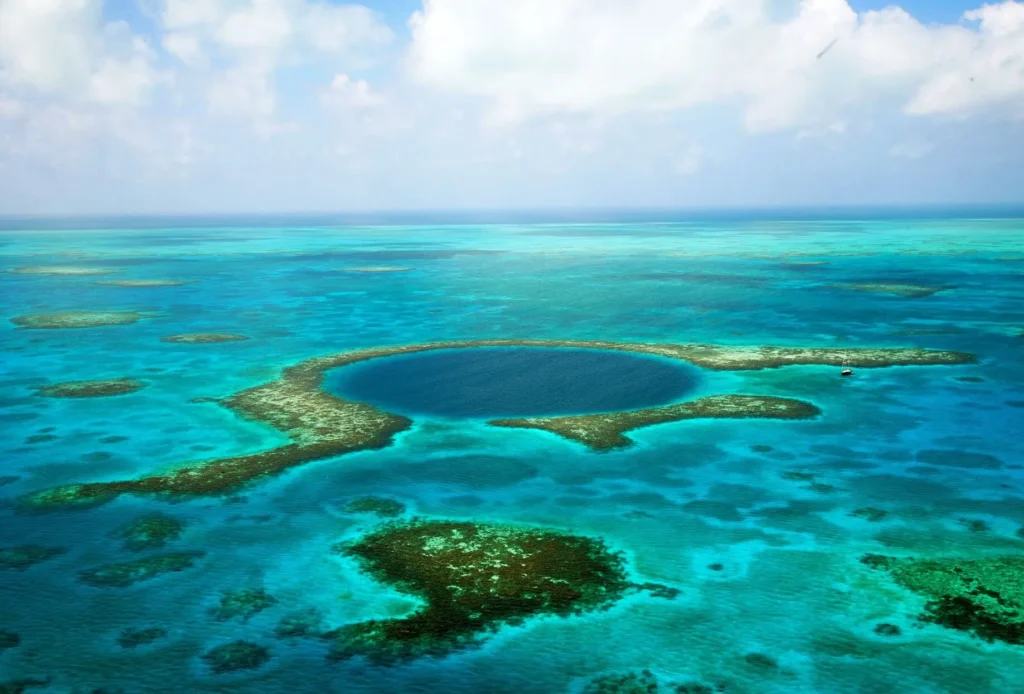
The Great Blue Hole in Belize has captivated divers since Jacques Cousteau declared it one of the top five diving sites in the world in 1971. Located 70 kilometers off the coast of Belize, this perfectly circular marine sinkhole plunges 124 meters into the ocean floor, creating an otherworldly diving experience that combines geology, marine biology, and adventure.
Whether you’re an intermediate diver curious about the requirements or an advanced technical diver planning your bucket-list expedition, this guide reveals everything you need to know about great blue hole scuba diving in 2026—from essential certifications to what you’ll actually see below the surface.
Quick Answer: Is Great Blue Hole Scuba Diving Worth It?
Yes, but it’s not for beginners. Here’s what you need to know:
- Minimum certification: Advanced Open Water (24+ logged dives recommended)
- Maximum depth: 40 meters (130 feet) for recreational divers
- Best visibility: April through June (up to 30+ meters)
- Average cost: $250-$350 USD per dive trip
- Unique features: Ancient stalactites, Caribbean reef sharks, crystal-clear thermocline
- Physical demands: Moderate to high—strong currents possible
The Great Blue Hole offers a truly unique diving experience, but proper preparation and realistic expectations are essential.
What Makes the Great Blue Hole Special
The Great Blue Hole isn’t just another dive site—it’s a geological time capsule. This massive submarine sinkhole formed during several episodes of quaternary glaciation when sea levels were much lower. As ocean levels rose, the cave system flooded, creating the 300-meter-wide circular formation we see today.
Geological Wonder
When you descend past 30 meters during your great blue hole scuba diving experience, you’ll encounter massive limestone stalactites hanging from ancient cave ledges. These formations stopped growing over 10,000 years ago when rising seas submerged the cave system. Some stalactites reach up to 12 meters in length, creating an almost cathedral-like atmosphere in the depths.
The hole’s perfect circular shape—visible from space—measures approximately 318 meters across. This symmetry resulted from uniform erosion of the limestone bedrock, a process that took thousands of years.
Historical Significance
Jacques Cousteau brought international attention to the Great Blue Hole in 1971, when his crew aboard the Calypso created the first detailed maps of its interior. His expedition confirmed what geologists suspected: the formations inside represented a snapshot of Earth’s climate history. In 2018, Richard Branson and Fabien Cousteau (Jacques’ grandson) led a submersible expedition that reached the bottom at 124 meters, discovering a layer of hydrogen sulfide and, tragically, several human remains.
UNESCO World Heritage Status
The Great Blue Hole is part of the Belize Barrier Reef Reserve System, designated a UNESCO World Heritage Site in 1996. This protected status helps preserve the delicate ecosystem while allowing responsible diving tourism.
Great Blue Hole Scuba Diving Requirements
Not every diver can tackle the Great Blue Hole. Dive operators enforce strict requirements to ensure safety in this challenging environment.
Certification Level
Minimum requirement: Advanced Open Water certification from PADI, SSI, NAUI, or equivalent organizations. This certification ensures you’ve trained in deep diving and underwater navigation—both critical skills for this site.
Many operators prefer divers with at least 24 logged dives, though this isn’t always mandatory. If you only have 20 dives, you can still go, but expect your dive master to watch you more closely during the descent.
Physical Fitness
Great blue hole scuba diving demands moderate to high physical fitness. The boat ride from the mainland takes 2-3 hours each way, often through choppy waters. Seasickness affects many divers before they even enter the water.
The dive itself requires controlled buoyancy while descending to depth, navigating through potential currents, and maintaining awareness in reduced light conditions. If you have cardiovascular concerns, respiratory issues, or recent surgery, consult with a diving physician before booking.
Age Restrictions
Most operators require divers to be at least 15 years old with parental consent, or 18 years old to dive independently. There’s typically no upper age limit if you can demonstrate fitness and proper certification.
Experience Recommendations
While the minimum is Advanced Open Water, having 50+ dives significantly improves your comfort and enjoyment. Experience with drift diving, deep diving beyond 30 meters, and navigation in limited visibility all prove valuable during your great blue hole scuba diving adventure.
What to Expect During Your Dive
Your great blue hole scuba diving experience follows a carefully structured profile designed to maximize your time at depth while maintaining safety margins.
Dive Profile
Depth zones:
- 0-15 meters: Entry zone with scattered coral formations
- 15-30 meters: Transition layer where light begins to fade
- 30-40 meters: Main stalactite viewing area
- Below 40 meters: Off-limits for recreational divers
Most recreational dives bottom out at 40 meters (130 feet), allowing approximately 8-10 minutes at maximum depth before beginning your ascent. The entire dive typically lasts 25-35 minutes, including a safety stop at 5 meters.
The Descent Experience
Your descent begins in crystal-clear water with visibility often exceeding 30 meters. Around the 15-meter mark, you’ll notice the water temperature drop sharply—this thermocline creates a distinct visual effect where fresh and saltwater layers meet.
As you continue downward, the circular walls of the hole become more defined. Natural light penetrates to about 30 meters, but below this depth, artificial lights become essential. The blue void above creates an almost surreal atmosphere that many divers find both beautiful and mildly unsettling.
The Stalactite Gallery
Between 30-40 meters, you’ll reach the highlight of any great blue hole scuba diving trip: the ancient stalactite formations. These massive limestone structures jut out from overhangs and cave ledges at various angles, some leaning at 45 degrees due to ancient tectonic shifts.
Your dive guide will lead you around the circular perimeter, pointing out the largest formations and explaining their geological significance. Photography in this zone proves challenging due to limited light—most divers use powerful underwater strobes or video lights.
Ascent and Safety Stop
The ascent begins after 8-10 minutes at depth. Your guide monitors everyone’s air consumption closely, ensuring adequate reserves for the controlled ascent and mandatory safety stop. At 5 meters, you’ll pause for 3-5 minutes, allowing nitrogen off-gassing while hovering in the open water column.
Best Time for Great Blue Hole Scuba Diving
Timing your visit dramatically affects your experience. Belize’s climate follows distinct wet and dry seasons, each offering different diving conditions.
Peak Season: April to June
This window offers the best combination of favorable conditions:
- Visibility: 30+ meters consistently
- Water temperature: 27-29°C (80-84°F)
- Sea conditions: Calm to moderate
- Weather: Dry with minimal rainfall
- Marine life: Increased shark activity
April through June represents the sweet spot for great blue hole scuba diving. The winter storms have passed, summer hurricanes haven’t arrived, and the dry season keeps visibility at its peak.
Good Season: December to March
Winter months bring cooler water temperatures (25-27°C) but generally good visibility:
- Occasional cold fronts create choppy surface conditions
- Visibility ranges from 20-30 meters
- Fewer tourists mean smaller groups
- Water can feel cold during long dives without proper exposure protection
Off-Season: July to November
Hurricane season runs June through November, with peak activity August through October. While diving continues during these months, conditions become less predictable:
- Reduced visibility due to increased rainfall (15-25 meters)
- Higher chance of trip cancellations
- Warmer water temperatures (28-30°C)
- Lower prices and fewer crowds
As of 2026, climate patterns show September and October remaining the most challenging months, with improved conditions returning by November.
Cost and Booking Information
Understanding the financial investment helps you plan your great blue hole scuba diving adventure properly.
Typical Costs
Standard day trip packages: $250-$350 USD per person
This usually includes:
- Round-trip boat transportation from the mainland
- Three dives (Great Blue Hole plus two reef dives)
- Lunch and snacks
- Drinking water and soft drinks
- Dive master/guide services
- Marine park fees
Equipment rental (if needed): $50-$75 USD additional
Optional extras:
- Underwater camera rental: $40-$60
- Nitrox fills: $15-$20 per tank
- Private dive guide: $100-$150
Booking Recommendations
Reserve your spot at least 2-3 weeks in advance during peak season. Many operators use Viator, GetYourGuide, or direct booking through their websites. For the most reliable experience and gear quality, consider booking through established operators like Blue Hole Dive Center or Ambergris Divers, which offer comprehensive packages with modern equipment.
When booking, verify:
- Maximum group size (smaller groups offer better experiences)
- Dive master to diver ratio (1:6 or better preferred)
- Boat type and amenities
- Cancellation policy
- Insurance coverage
Budget-Friendly Tips
- Bundle your dive trip with accommodations in San Pedro or Caye Caulker
- Travel during shoulder season (November or late March) for 20-30% savings
- Bring your own gear to avoid rental fees
- Book directly with operators rather than through hotel concierges
- Join a group if traveling solo to avoid single supplements
Essential Gear and Preparation
Proper equipment makes the difference between a comfortable dive and a miserable experience.
Recommended Gear
Exposure protection: At depths of 30-40 meters, water temperature drops noticeably. A 5mm wetsuit works for most divers during peak season, though cold-sensitive individuals prefer 7mm suits or even drysuits during winter months.
Dive computer: Mandatory. The deep profile requires accurate depth and time tracking. Ensure your computer handles multi-level dives and has a backlit display for the darker depths.
Underwater light: Essential for viewing the stalactites properly. Bring a primary dive light with at least 1000 lumens. A backup light provides insurance against equipment failure.
Camera equipment: If photography interests you, consider:
- Wide-angle lens for capturing the massive formations
- Powerful strobes (the natural light barely penetrates to stalactite depth)
- GoPro or action camera for hands-free video documentation
Pre-Dive Preparation
Review your skills: Practice deep diving techniques, buoyancy control, and emergency procedures before your trip. Even experienced divers benefit from a refresher dive the day before attempting the Great Blue Hole.
Check your gear: Inspect all equipment thoroughly. Replace any questionable O-rings, test your regulator performance, and ensure your BCD holds air properly. Equipment failure at 40 meters creates serious risk.
Stay hydrated: Begin hydrating 24 hours before your dive. The long boat ride and tropical heat increase dehydration risk, which elevates your susceptibility to decompression sickness.
Get adequate rest: Avoid alcohol the night before and ensure 7-8 hours of sleep. Fatigue impairs judgment and increases nitrogen absorption.
Safety Considerations
Great blue hole scuba diving presents unique risks that demand respect and preparation.
Depth-Related Risks
At 40 meters, nitrogen narcosis affects most divers to some degree. Symptoms range from mild euphoria to serious impairment of judgment. Stay close to your buddy, follow your guide’s signals, and ascend immediately if you feel “narced.”
Decompression sickness risk increases with depth. Follow your dive computer religiously, never exceed its limits, and perform your safety stop even if you feel fine.
Environmental Challenges
Strong currents: Occasionally, currents develop inside the hole, particularly near the entrance. Your dive master assesses conditions before entry and may adjust the dive plan accordingly.
Limited visibility at depth: Below 30 meters, natural light dims significantly. Maintain visual contact with your group and know how to use light signals for communication.
No easy exit points: Once you’re in the hole, the nearest exit is up. There are no ledges to rest on, no shallow areas to escape to. Complete your dive planning on the surface.
Emergency Protocols
All reputable operators carry:
- Emergency oxygen
- First aid kits
- Radio communication to mainland
- Detailed evacuation plans
The nearest hyperbaric chamber is in Belize City, approximately 90 minutes away by boat and ground transport. Dive conservatively—help is not immediate.
DAN Insurance Recommendation
Consider joining Divers Alert Network (DAN) or purchasing dive-specific travel insurance before your trip. Their coverage includes hyperbaric treatment, medical evacuation, and trip cancellation protection. Basic DAN membership costs around $45 annually and provides peace of mind for any diving vacation.
Marine Life Encounters
While the Great Blue Hole’s geological features steal the spotlight, the marine life adds another dimension to your great blue hole scuba diving experience.
Caribbean Reef Sharks
The most common encounter involves Caribbean reef sharks, which patrol the hole regularly. These sharks typically measure 2-3 meters in length and show little interest in divers. You’ll usually spot 3-6 sharks during your descent, often resting on sandy ledges around 30-35 meters.
Their presence creates photo opportunities and adds excitement, but remember: these are wild animals. Maintain distance, avoid sudden movements, and never attempt to touch them.
Other Species
Bull sharks: Occasionally visit the hole, particularly during winter months. Larger and more robust than Caribbean reef sharks, bulls command more caution and respect.
Midnight parrotfish: These large herbivores sometimes rest inside the hole during the day.
Groupers: Massive Nassau groupers occasionally appear, often approaching divers with curiosity.
Hammerheads: Rare but possible, especially during early morning dives in peak season.
What You Won’t See
Set realistic expectations: the Great Blue Hole isn’t a vibrant coral reef teeming with tropical fish. The interior walls are relatively barren due to limited light penetration. Most colorful reef life concentrates at the rim and outside the hole.
The real magic lies in the geological formations, the dramatic blue void, and the unique sensation of floating in this ancient structure. The surrounding reef dives (included in most packages) showcase Belize’s typical Caribbean reef biodiversity.
Alternative Dive Sites Near the Great Blue Hole
Your day trip typically includes two additional dives at nearby reef sites, each offering distinct experiences.
Half Moon Caye Wall
This dramatic wall dive drops from 10 meters to over 1,000 meters, creating a spectacular vertical reef ecosystem. Expect:
- Abundant coral coverage
- Large schools of jacks and snappers
- Eagle rays gliding along the wall
- Turtles cruising the shallows
The vibrant marine life here contrasts sharply with the Great Blue Hole’s sparse interior.
Long Caye Aquarium
True to its name, this site delivers colorful Caribbean reef scenery:
- Healthy coral gardens in shallow water (10-18 meters)
- Diverse fish populations including angelfish, parrotfish, and butterflyfish
- Perfect for macro photography
- Gentle currents suitable for all skill levels
The Elbow
For advanced divers seeking more challenge:
- Strong currents bringing pelagic species
- Potential dolphin encounters
- Schools of horse-eye jacks
- Barracudas and larger predators
Many divers find these supplementary sites equally memorable as the Great Blue Hole itself.
Frequently Asked Questions
Q: Can beginner divers visit the Great Blue Hole?
A: No. The Great Blue Hole requires Advanced Open Water certification minimum. The 40-meter depth, potential for nitrogen narcosis, and challenging conditions make it unsuitable for beginners. However, Open Water divers can snorkel above the hole and experience the surrounding reef dives.
Q: How deep is the Great Blue Hole, and how far do recreational divers go?
A: The hole reaches 124 meters at its deepest point, but recreational divers descend only to 40 meters (130 feet). Technical divers with specialized training and equipment can go deeper, though this requires expensive certification and carries significant risk.
Q: Is great blue hole scuba diving dangerous?
A: Like all deep diving, it carries inherent risks including decompression sickness, nitrogen narcosis, and equipment failure. However, when conducted with proper training, good equipment, and experienced guides, the safety record remains excellent. Thousands of divers complete this dive safely each year.
Q: What is the best month to dive the Great Blue Hole?
A: April through June offers optimal conditions: peak visibility (30+ meters), calm seas, warm water temperatures, and active marine life. December through March provides good conditions with slightly cooler water.
Q: How long does the boat ride take to reach the Great Blue Hole?
A: Expect 2-3 hours each way from San Pedro or Caye Caulker. The journey crosses open ocean and can be rough. Take seasickness medication if you’re prone to motion sickness.
Q: Can you see the Great Blue Hole from above without diving?
A: Yes. Several companies offer scenic flights over the hole, providing spectacular aerial views. These flights cost $200-$300 per person and last approximately 1-2 hours.
Q: Do you need dive insurance for the Great Blue Hole?
A: While not legally required, dive insurance is highly recommended. DAN (Divers Alert Network) coverage costs around $45 annually and covers hyperbaric treatment and medical evacuation—services that could otherwise cost tens of thousands of dollars.
Q: What marine life will I see in the Great Blue Hole?
A: Caribbean reef sharks are almost guaranteed. You might also spot bull sharks, groupers, midnight parrotfish, and occasionally hammerheads. However, the hole’s interior has limited coral and fewer fish species than surrounding reefs.
Q: Is the Great Blue Hole better than other dive sites in Belize?
A: It depends on what you value. The Great Blue Hole offers a unique geological experience unlike anything else. However, surrounding sites like Half Moon Caye Wall often provide more vibrant marine life and coral. Most divers consider it a must-do bucket list dive, but not necessarily the “best” dive in Belize.
Q: Can I dive the Great Blue Hole on Nitrox?
A: Most operators offer Nitrox (enriched air), though its benefits at 40 meters are limited due to oxygen toxicity concerns. Standard Nitrox 32 has a maximum operating depth of 34 meters. If using Nitrox, you’ll likely dive on standard air for the deep portion and use Nitrox for the shallower reef dives.
Q: What happens if weather conditions are bad on my scheduled dive day?
A: Operators cancel trips if conditions are deemed unsafe. Most offer full refunds or rescheduling options. During hurricane season, check cancellation policies carefully before booking.
Q: Are there bathroom facilities during the boat ride?
A: Most dive boats have basic marine heads (toilets), though conditions vary by operator. Ask about boat amenities when booking if this concerns you.
Q: Can I do multiple dives to the Great Blue Hole in one day?
A: No. The depth and decompression requirements limit recreational divers to one Great Blue Hole dive per day. Your package will include two additional shallower reef dives after the hole.
Q: What certification do I need to take underwater photos in the Great Blue Hole?
A: No special photography certification is required, though strong buoyancy control is essential. Task loading (managing a camera while controlling depth) causes many divers problems. Consider a dedicated photography dive course before attempting to shoot in challenging conditions.
Q: Is the Great Blue Hole crowded with divers?
A: During peak season, multiple dive boats visit daily, but the hole’s vast size prevents crowding underwater. Surface intervals might involve several boats, but once below, groups spread out along the circular perimeter.
Conclusion: Is Great Blue Hole Scuba Diving Right for You?
Great blue hole scuba diving represents a bucket-list experience that combines adventure, history, and natural wonder. The ancient stalactites, dramatic depth, and unique geological setting create memories that last a lifetime.
However, this isn’t a dive for everyone. If you’re comfortable at depth, possess solid buoyancy skills, and want to experience one of Earth’s most unique underwater formations, the Great Blue Hole delivers. If you prefer vibrant coral reefs teeming with fish, you might find the surrounding sites more satisfying.
Key takeaways for your planning:
- Obtain Advanced Open Water certification minimum (24+ logged dives recommended)
- Book during April-June for optimal conditions
- Budget $250-$350 for the day trip plus equipment rental if needed
- Invest in proper exposure protection and dive lights
- Purchase dive insurance before your trip
- Set realistic expectations about marine life inside the hole
- Arrive physically fit and well-rested
Ready to take the plunge? Start by checking your certification status, researching reputable operators, and marking your calendar for the peak season window. The Great Blue Hole has waited 10,000 years—it’ll be there when you’re ready.
For more scuba diving guides and destination reviews, explore our comprehensive resources at ScoobaDiveGuide.com.