One of the most common questions people ask before their first dive is a simple one: how old do you need to be to go scuba diving? It sounds like a straightforward question, but the answer depends on where you are in the world, which certification agency you use, and what type of diving you want to do. Whether you are a parent thinking about enrolling your child in a junior diving program or an older adult wondering if there is an upper age limit, this 2026 guide covers everything you need to know clearly and honestly.
- What Is the Minimum Age for Scuba Diving in 2026
- Junior Scuba Diving Programs: What Parents Need to Know
- Is There a Maximum Age Limit for Scuba Diving
- Scuba Diving Age Limit by Country in 2026
- How Scuba Diving Age Rules Compare to Other Adventure Sports
- Health Requirements Alongside Age Limits
- Choosing the Right Certification for Your Age and Experience Level
- Gear Considerations Based on Age and Body Size
- Tips for First-Time Divers of Any Age
- Ready to Start Your Scuba Diving Journey
- Frequently Asked Questions About Scuba Diving Age Limits
- Can a 10-year-old go scuba diving?
- Is there a maximum age to learn scuba diving?
- Do I need a medical check before scuba diving?
- How long does it take to get scuba certified?
- Can older adults with health conditions still dive?
- What is the difference between a junior and a full scuba certification?
- Is scuba diving safe for beginners?
Scuba diving is one of the most exciting activities on the planet. Every year, millions of people of all ages strap on a tank and explore the underwater world for the first time. The good news is that with the right training and equipment, almost anyone can dive safely. Let’s walk through the age rules, what they mean in practice, and how you or your family can get started the right way.
What Is the Minimum Age for Scuba Diving in 2026
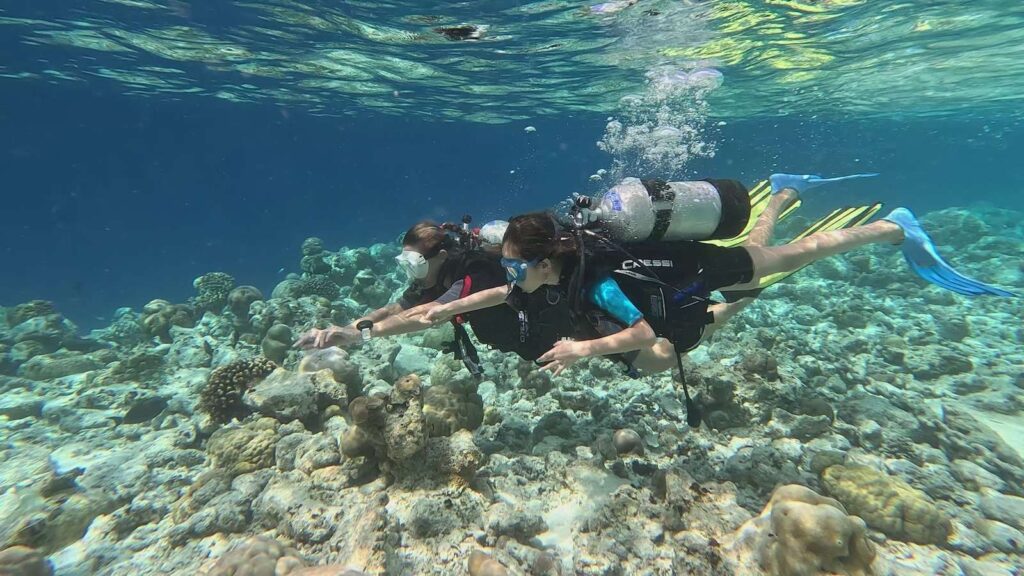
Most major scuba certification agencies around the world set the minimum age for full open water certification at fifteen years old. PADI, which is the largest certification body globally, allows students as young as fifteen to earn a full Open Water Diver certification. SSI follows a very similar standard. These certifications allow young divers to dive with a buddy to a maximum depth of eighteen meters, or sixty feet.
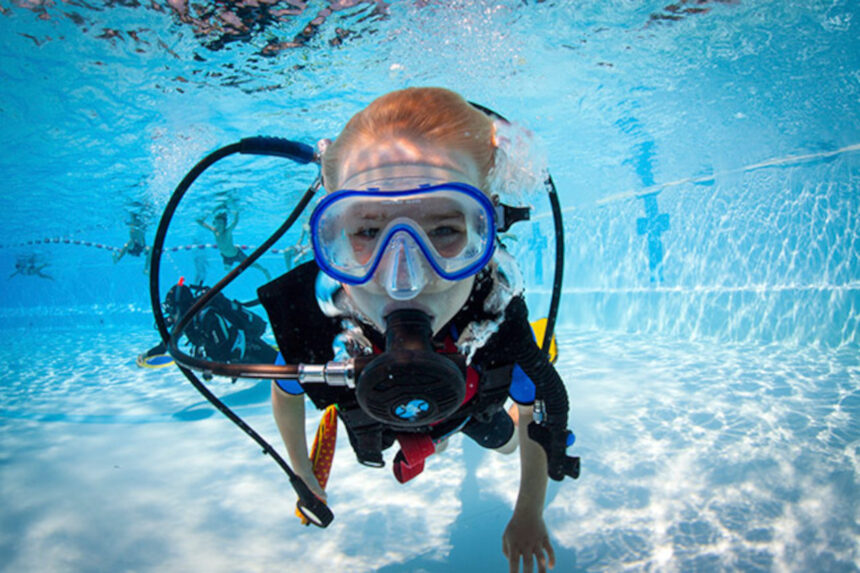
For children younger than fifteen, there are special junior programs designed specifically for younger adventurers. PADI’s Junior Open Water Diver program accepts children as young as ten years old. However, junior divers between the ages of ten and fourteen must always dive with a certified adult diver, either a parent, guardian, or dive professional. They are also restricted to shallower depths compared to adult certified divers.
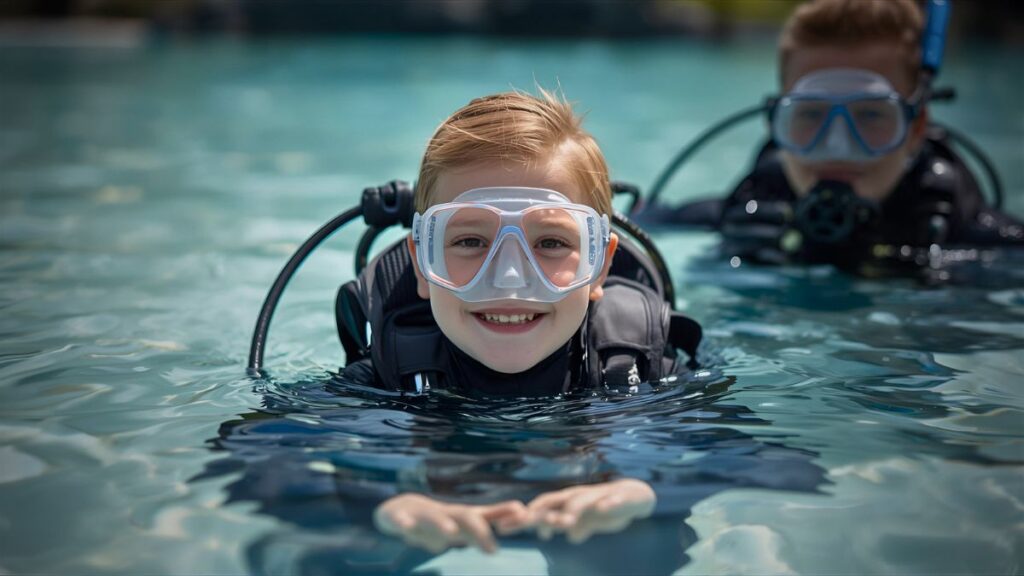
Some operators and resorts offer Discover Scuba Diving experiences, which are introductory programs that let people try diving without full certification. Many of these programs accept children from eight years old, though requirements vary by location and operator. These are supervised experiences in very shallow water, usually a pool or a calm, shallow ocean area, and they are a wonderful way to introduce kids to the underwater world before committing to a full course.
Junior Scuba Diving Programs: What Parents Need to Know
If your child is between the ages of ten and fourteen and wants to get certified, junior programs are a safe and structured way to make that happen. These courses teach the same fundamental skills as adult courses, including how to clear a flooded mask, how to share air with a buddy, and how to ascend safely. The difference is that the training is paced for younger learners and always involves adult supervision during actual dives.
Children in junior programs typically progress to an unsupervised certification once they turn fifteen. At that point, their junior certification automatically upgrades to a standard Open Water Diver certification with no additional training needed. Many parents find that signing up for the course together with their child is one of the most rewarding family experiences they have ever shared.
When choosing a dive center for a child, look for instructors who have experience working with young divers. A patient, encouraging instructor makes a huge difference for kids who may feel nervous about breathing underwater for the first time. Ask about class sizes too. Smaller groups allow instructors to give each student more attention, which is especially important for younger learners.
It is also worth thinking about equipment. Children need properly fitting gear, particularly masks and buoyancy control devices. Ill-fitting equipment is not just uncomfortable. It can make learning harder and in some situations create safety risks. A good dive shop will have gear sized for children and help ensure everything fits correctly before the course begins.
Is There a Maximum Age Limit for Scuba Diving
Here is something that surprises many people: there is no official maximum age limit for scuba diving. People in their sixties, seventies, and even eighties dive regularly and safely around the world. Age alone is not a barrier to enjoying the underwater world. What matters far more than age is your overall health and physical fitness.
Most certification agencies and dive operators require adult divers to fill out a medical questionnaire before diving or enrolling in a course. This form asks about conditions like heart disease, asthma, diabetes, high blood pressure, and other health factors that could affect diving safety. If any of these conditions are present, you will typically be asked to get clearance from a doctor before diving. This is true at any age, not just for older divers.
Older divers often bring real advantages to the water. They tend to be calmer, more patient, and more methodical than younger divers. Many of the best and most experienced divers in the world are older adults who have been diving for decades. If you are over fifty and thinking about learning to dive, do not let age stop you. Get a medical check-up, find a good instructor, and give it a try.
Scuba Diving Age Limit by Country in 2026
While certification agency rules provide a general standard, specific countries and dive destinations can have their own local regulations. In places like Egypt, Thailand, and Mexico, where dive tourism is huge, most operators follow PADI or SSI guidelines closely. However, it is always worth checking local rules before you travel.
In the United States, there is no federal law setting a specific scuba diving age limit. Rules are primarily set by the certification agencies and individual dive operators. Most American dive shops follow the PADI or SSI minimum age standards, meaning ten years old for junior programs and fifteen for full certification.
In Australia, the standard also aligns closely with international certification agency rules. European dive destinations, including popular spots in the Mediterranean, generally follow the same international standards. If you are planning an international diving trip and want to dive with a younger family member, it is smart to confirm the operator’s age policy before booking.
How Scuba Diving Age Rules Compare to Other Adventure Sports
Compared to many other adventure sports, scuba diving actually has a relatively accessible age policy. For example, if you are curious about extreme activities like skydiving, the rules are quite different. In the USA, you must be at least eighteen years old to skydive legally, and there are strict guidelines around health and fitness requirements too. You can read more about that in this detailed skydiving age limit guide for the USA in 2026. Scuba diving, by comparison, welcomes children as young as ten into certified junior programs, making it one of the more family-friendly adventure sports out there.
Rock climbing, white water rafting, and bungee jumping all have their own age and health requirements that vary widely. What makes scuba diving stand out is the combination of accessible age limits, structured safety training, and the absolutely breathtaking experience waiting for you underwater. Few activities offer the same sense of weightlessness and wonder that you get the moment you descend below the surface for the first time.
Health Requirements Alongside Age Limits
Age is just one part of the picture. Health requirements matter just as much, sometimes more. Before any scuba course or dive, you will fill out a standard medical form. This is not meant to scare people away from diving. It is there to keep you safe and help instructors or dive operators know if you need medical clearance first.
Common health conditions that require a doctor’s sign-off before diving include asthma, epilepsy, diabetes, heart conditions, and recent surgery. If you have any of these conditions, that does not automatically mean you cannot dive. Many people with managed medical conditions dive safely every day. A doctor familiar with dive medicine can assess your specific situation and let you know what precautions, if any, you need to take.
Ear and sinus health is particularly relevant to diving. Equalizing pressure in your ears as you descend is a basic skill taught in every certification course, but people who struggle with chronic sinus problems or ear issues may find it more challenging. If you have concerns, speak to your doctor before signing up for a course.
Choosing the Right Certification for Your Age and Experience Level
Once you know you meet the age and health requirements, the next step is choosing the right type of certification. For most beginners, the PADI Open Water Diver course or the SSI Open Water Diver course is the ideal starting point. These courses take between three and four days to complete and qualify you to dive to eighteen meters with a buddy anywhere in the world.
If you want to test the water before committing to a full course, a Discover Scuba Diving experience is a great first step. You can do this in a pool or in the ocean with an instructor by your side the whole time. No previous experience is needed and it typically takes just a few hours. Many people who start with a discovery experience end up so excited that they book their full certification course on the same day.
For divers who want to go deeper or take on more specialised diving, advanced courses are available after your initial certification. These include specialties like deep diving, wreck diving, night diving, and underwater photography. Each specialty adds new skills and opens up new experiences that make diving even more rewarding over time. And yes, there is no upper age limit on advanced courses either.
Gear Considerations Based on Age and Body Size
Whether you are outfitting a ten-year-old junior diver or gearing up as an adult returning to diving later in life, having the right equipment makes a massive difference. Gear that fits properly is more comfortable, easier to use, and safer in the water. This is especially true for buoyancy control devices, wetsuits, and masks.
Understanding your equipment before you hit the water is part of good dive preparation. For example, knowing how much your scuba tank weighs helps you plan your entry and exit from the water. You can check out this detailed scuba tank weight chart to understand different tank sizes and what to expect. This kind of preparation makes every dive smoother and more enjoyable, no matter your age.
Renting equipment from a reputable dive shop is a perfectly good option for beginners and occasional divers. Dive centers take care of maintenance and ensure gear meets current safety standards. Once you decide that diving is something you want to do regularly, investing in your own mask, fins, and wetsuit can improve your comfort significantly. Personally owned gear is fitted to your body and becomes familiar through repeated use.
Tips for First-Time Divers of Any Age
No matter how old you are when you take your first breath underwater, a few simple tips can make the whole experience more enjoyable. First, choose a calm, clear dive site for your very first open water dives. Good visibility and gentle conditions let you focus on your skills rather than dealing with currents or low visibility.
Second, never rush your equalization. Taking the time to equalize your ears every meter as you descend prevents discomfort and potential ear damage. If equalizing feels difficult at any point, stop and ascend slightly before trying again. There is no dive worth damaging your ears for.
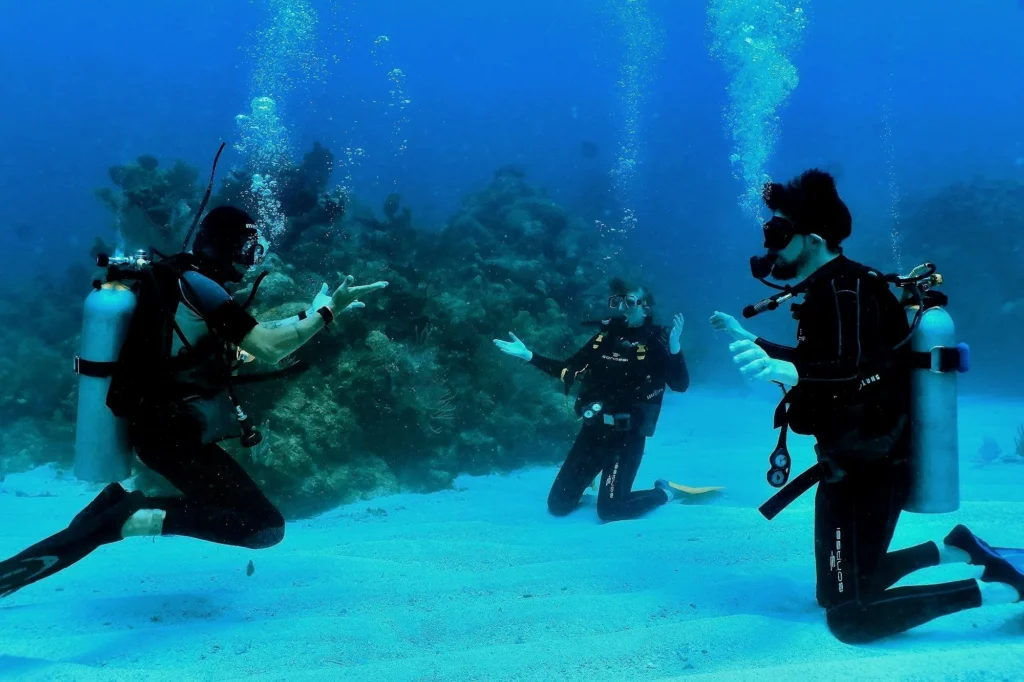
Third, dive with a buddy you trust and communicate clearly before entering the water. Go over hand signals, agree on your maximum depth and time, and know what to do if you get separated. Good dive planning is a habit that keeps divers safe throughout their entire diving lives.
Finally, manage your air consumption thoughtfully. Newer divers typically use air faster than experienced divers because they are excited or slightly nervous. With more dives under your belt, your breathing naturally becomes slower and more efficient. Always turn back or ascend with plenty of air left in your tank. As a rule, many instructors recommend the thirds rule: use one third of your air going out, one third coming back, and keep one third in reserve.
Ready to Start Your Scuba Diving Journey
Whether you are ten years old and dreaming of seeing a sea turtle up close, or fifty-five and finally ready to tick scuba diving off your bucket list, the underwater world is waiting for you. Age limits exist to keep divers safe, not to keep people out. With proper training, the right equipment, and a responsible attitude, divers of all ages explore and fall in love with the ocean every single day.
Scuba diving teaches you patience, respect for nature, and a sense of calm that is hard to find anywhere else. Once you take that first breath underwater and watch a school of fish swim past, you will understand why so many people consider it one of the best things they have ever done with their lives.
Visit Scooba Dive Guide for more expert advice on gear, certification, dive destinations, and everything you need to become a confident and safe diver. Your underwater adventure starts here.
Frequently Asked Questions About Scuba Diving Age Limits
Can a 10-year-old go scuba diving?
Yes, children as young as ten years old can get a Junior Open Water Diver certification through programs like PADI’s junior course. They must always dive with a certified adult and are limited to shallower depths. At fifteen, their certification automatically upgrades to a full adult certification with no extra training required.
Is there a maximum age to learn scuba diving?
There is no official maximum age limit for scuba diving. People in their seventies and eighties dive regularly. The key requirement is passing a medical check. As long as your doctor confirms you are fit to dive, age alone will never stop you from learning.
Do I need a medical check before scuba diving?
All beginner divers fill out a standard medical questionnaire before their first dive or course. If you have any listed health conditions such as heart disease, asthma, or epilepsy, you will need a doctor’s clearance before proceeding. This applies to all ages and is a standard safety measure worldwide.
How long does it take to get scuba certified?
A standard Open Water Diver course takes between three and four days to complete. It includes classroom or online theory, confined water training in a pool, and open water dives in the ocean or a lake. Many dive centers now offer the theory portion online so you can study at home before your practical training days.
Can older adults with health conditions still dive?
Many people with managed health conditions dive safely. The key is getting medical clearance from a doctor who understands dive medicine before you start. A doctor can advise you on any precautions you need to take and confirm whether diving is safe for your specific situation. Do not self-diagnose. Talk to a professional and get the green light before your first dive.
What is the difference between a junior and a full scuba certification?
A junior certification is earned by divers between the ages of ten and fourteen. It comes with supervision requirements, meaning junior divers must always be accompanied by a certified adult. A full certification, available from age fifteen, allows you to dive independently with a buddy. Junior certifications upgrade automatically at fifteen with no additional training needed.
Is scuba diving safe for beginners?
Yes, scuba diving is very safe when you follow proper training and safety guidelines. Certification courses exist specifically to teach beginners everything they need to know before diving independently. The vast majority of diving incidents happen when divers ignore their training or push beyond their experience level. Stick to the rules, dive within your limits, and scuba diving is a wonderfully safe and rewarding activity.