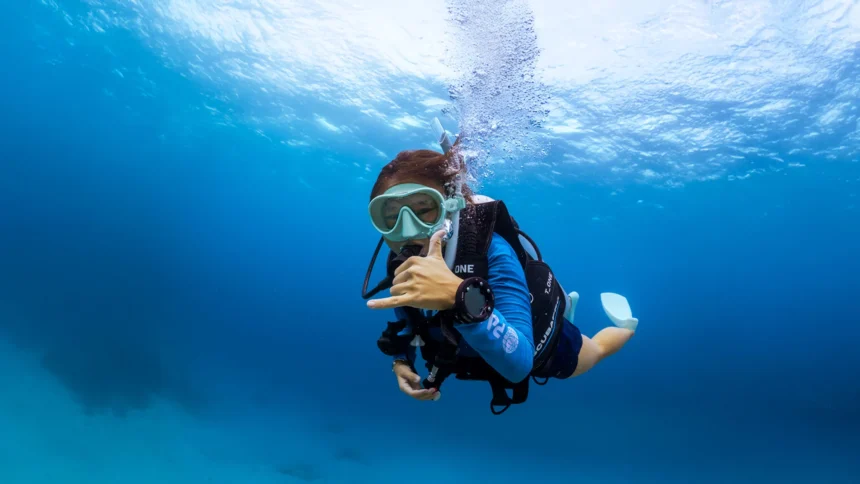
One of the most common questions people ask before signing up for a scuba diving course is a completely reasonable one: do I need to be fit to go scuba diving? The honest answer is that you do not need to be an athlete, but there are some genuine health and fitness considerations that every prospective diver should understand before entering the water.
- Do You Need to Be in Good Shape to Scuba Dive?
- The Medical Questionnaire Every Diver Must Complete
- Medical Conditions That May Affect Your Ability to Dive
- Age and Scuba Diving Fitness
- Fitness Tips to Prepare Your Body for Scuba Diving
- When Should You See a Dive Doctor?
- Frequently Asked Questions
- Your Health Is Your Most Important Piece of Dive Gear
This guide explains exactly what the scuba diving fitness requirements are in 2026, what medical conditions can affect your ability to dive safely, and how to make sure your body is ready for the underwater world.
Do You Need to Be in Good Shape to Scuba Dive?
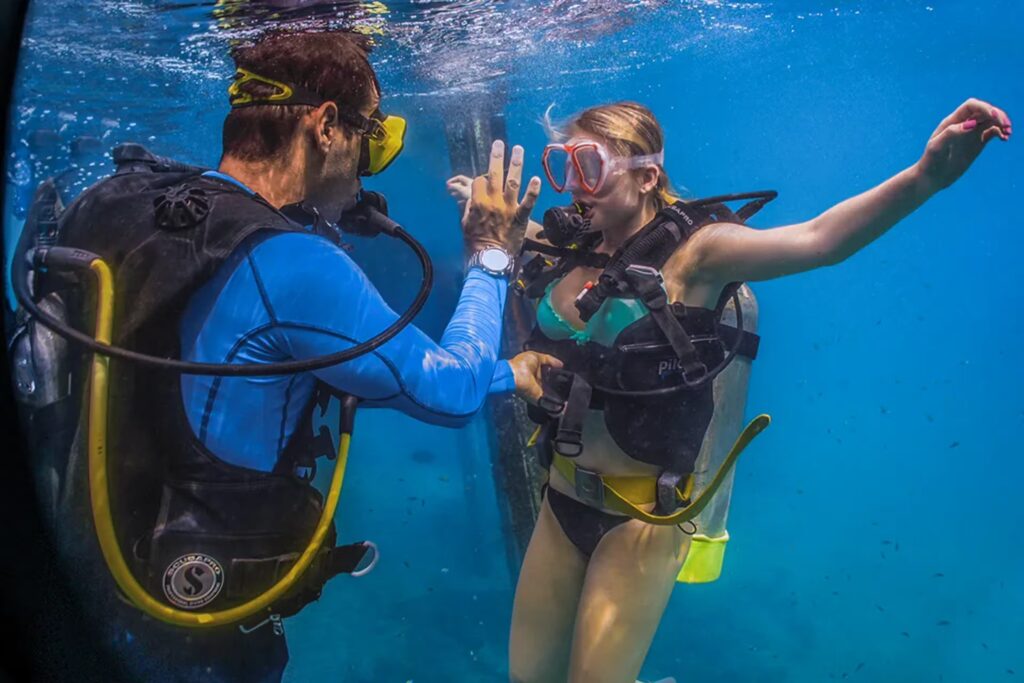
Scuba diving is not like running a marathon. Most recreational dives are quite gentle in terms of physical effort, especially in calm, warm water with little current. However, diving does place specific demands on your body that are unlike almost any other physical activity. The pressure changes, the breathing mechanics, and the cardiovascular demands of moving through water all require your body to be in a reasonable state of health.
The most important fitness factors for scuba diving are cardiovascular health, lung health, and an absence of conditions that could be aggravated by pressure changes. Being overweight, having mild asthma, or being a bit out of shape does not automatically disqualify you from diving, but it does mean you need to discuss your health carefully with a doctor before your first dive.
The Medical Questionnaire Every Diver Must Complete
Before any scuba diving certification course or introductory dive experience, you will be asked to complete a medical questionnaire. This form, used by agencies like PADI and SSI, asks about a wide range of health conditions. If you answer yes to any of the questions on the form, you will need to get clearance from a medical doctor before you can dive.
This is not a bureaucratic hurdle — it is a genuine safety measure. The questionnaire exists because certain health conditions can become dangerous or even life threatening when combined with the physical effects of breathing compressed air at depth.
Medical Conditions That May Affect Your Ability to Dive
Heart and Cardiovascular Conditions
Your heart works harder during a dive than you might expect. The pressure of the water on your chest, the physical effort of swimming, and the thermal stress of cold or warm water all add load to your cardiovascular system. People with a history of heart attacks, certain heart defects, abnormal heart rhythms, or recent cardiac surgery will typically need a specialist’s clearance before diving.
This does not mean people with heart conditions can never dive. Many cardiologists are familiar with diving medicine and can assess whether a particular patient is safe to dive. The key is to be honest on your medical form and speak to a doctor who understands diving.
Lung and Respiratory Conditions
Lung health is critically important in scuba diving. Breathing compressed air at depth means your lungs are working in ways they never do at the surface. Any condition that traps air in the lungs or limits normal airflow can create serious risks during ascent. As you come up from depth, the air in your lungs expands, and if it cannot escape normally, it can cause a potentially fatal condition called pulmonary barotrauma.
People with asthma are often concerned about whether they can dive. In many cases, mild, well-controlled asthma that does not involve cold or exercise-induced attacks may be acceptable. However, this must always be assessed by a doctor with knowledge of diving medicine. Active, uncontrolled asthma is a contraindication to diving.
Ear, Nose and Sinus Conditions
Your ability to equalise pressure in your ears is essential in scuba diving. Every diver must descend slowly and equalise their ear pressure regularly by pinching their nose and gently blowing. If you have chronic sinus congestion, ear infections, or a perforated eardrum, diving can be painful and potentially damaging.
Many divers dive successfully with mild sinus issues, but active infections or conditions that prevent normal equalising should be resolved before you dive. If you cannot equalise on a given day due to a cold or congestion, it is always better to skip the dive.
Diabetes
People with well-managed diabetes can and do dive safely. However, the management of blood sugar underwater presents unique challenges since you cannot test or adjust medication while submerged. Divers with diabetes need specialist guidance, a careful pre-dive protocol for blood sugar management, and a very well briefed dive buddy.
Many training agencies, including PADI, have specific guidelines for diabetic divers. With proper preparation and medical oversight, diabetes does not have to be a barrier to enjoying the underwater world.
Mental Health Conditions
Certain mental health conditions and the medications used to treat them can affect your fitness to dive. This is not about stigma — it is about the fact that some medications affect your ability to respond to emergencies underwater, and conditions like severe anxiety or claustrophobia can become significant safety issues beneath the surface.
If you have a mental health condition, be honest with your doctor and your dive instructor. Many people with managed mental health conditions dive safely and happily for years. The key is honest communication and appropriate precautions.
Age and Scuba Diving Fitness
Scuba diving is enjoyed by people of all ages, from children as young as 10 who participate in junior diving programmes to active seniors well into their 70s and beyond. Age itself is not a disqualifying factor. What matters is your current health status, not the number of years you have been alive.
Older divers may face more age-related cardiovascular or musculoskeletal issues, and it is always a good idea for anyone over 45 who is new to diving to have a thorough check-up before starting. But with good health, there is no upper age limit on the joy of scuba diving.
Fitness Tips to Prepare Your Body for Scuba Diving
If you want to be in the best possible shape for your dives, there are some simple things you can do to prepare. Swimming is the most obvious one. Even if you are not a strong swimmer, building up your comfort and stamina in the water will make your first dives much more enjoyable. Most certification courses require you to be able to swim 200 metres and tread water for 10 minutes, so practise both.
Cardiovascular fitness helps you dive longer and breathe more slowly, which directly extends your time underwater. Even gentle jogging, cycling, or regular brisk walks in the months before your dive trip will make a noticeable difference.
Core strength is also more useful in diving than you might think. Good core stability helps you maintain horizontal trim in the water, which reduces drag, conserves energy, and improves air consumption. Yoga and Pilates are both excellent cross-training choices for divers.
Once you are fit and ready to dive, make sure you are also prepared with the right knowledge about your equipment. Our scuba tank weight chart will help you understand how different tanks affect your body position and buoyancy in the water.
When Should You See a Dive Doctor?
A dive doctor, also called a diving medicine physician, is a specialist who understands the unique physiological demands of scuba diving. If you have any health condition that is flagged on your medical questionnaire, your first step should be to see a dive doctor rather than a general practitioner who may not be familiar with the specifics of diving medicine.
Organisations like Divers Alert Network (DAN) maintain directories of dive medicine physicians worldwide. If you are unsure whether your health condition affects your ability to dive, a proper evaluation from a dive doctor will give you the most accurate and informed answer.
Frequently Asked Questions
Can overweight people go scuba diving?
Being overweight does not automatically disqualify you from scuba diving. However, obesity does increase cardiovascular risk during diving and can also make certain equipment fit less comfortably. If you are significantly overweight, a medical check-up before diving is strongly recommended. Many people of larger body sizes dive happily and safely with appropriate precautions.
Is there a minimum fitness level required to get scuba certified?
There is no specific fitness test for scuba certification, but you do need to complete a swim test and demonstrate basic water comfort. You also need to be in sufficient health to handle the physical demands of the course, which include swimming, carrying equipment, and managing any physical stress that might occur during training dives.
Can I dive if I wear glasses or contact lenses?
Yes. If you wear glasses or contacts, you will need a prescription dive mask. These are widely available from dive shops and can be custom fitted to your prescription. Soft contact lenses can be worn under a dive mask but there is a small risk of loss if water enters the mask. Many divers prefer prescription masks for this reason.
Is scuba diving safe if I have had a recent surgery?
This depends entirely on the type of surgery and how much time has passed since the procedure. Any surgery involving the lungs, chest, or inner ear requires careful medical assessment before diving. Even for other surgeries, you should be fully healed and cleared by your surgeon and a dive doctor before returning to diving. Never rush back into the water after surgery.
Can pregnant women scuba dive?
Scuba diving during pregnancy is not recommended. The potential effects of pressure changes, decompression, and reduced oxygen on a developing foetus are not fully understood, and most medical organisations advise against it as a precautionary measure. Most dive operators will not allow visibly pregnant guests to dive, and this guidance should be followed.
Your Health Is Your Most Important Piece of Dive Gear
No wetsuit, regulator, or BCD is more important than your health when it comes to diving safely. Being honest about your medical history, getting appropriate medical clearance, and maintaining a reasonable level of fitness will ensure that your underwater adventures are both safe and deeply enjoyable. For more practical guides and beginner diving advice, explore everything we have at Scoobadive Guide.