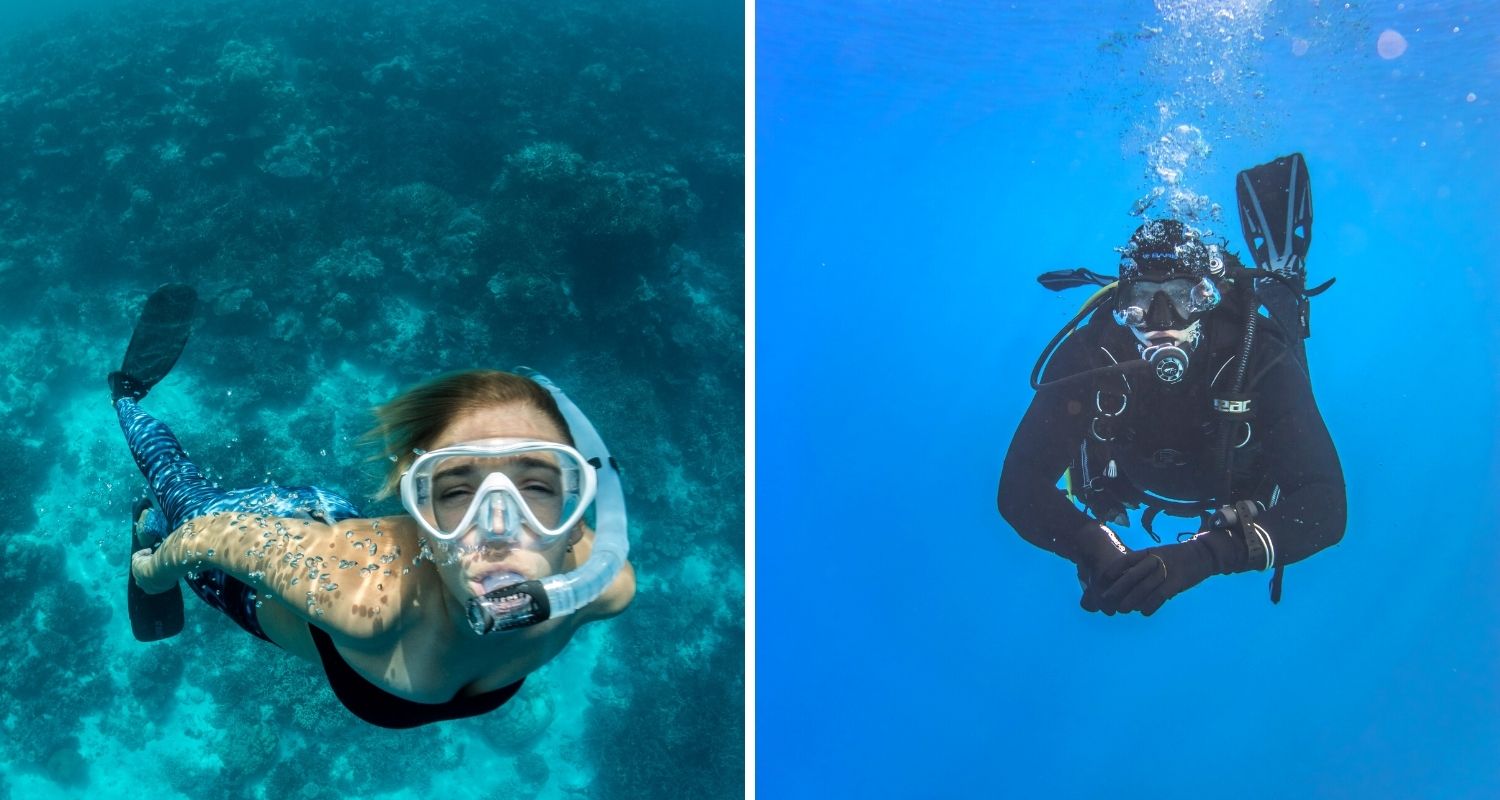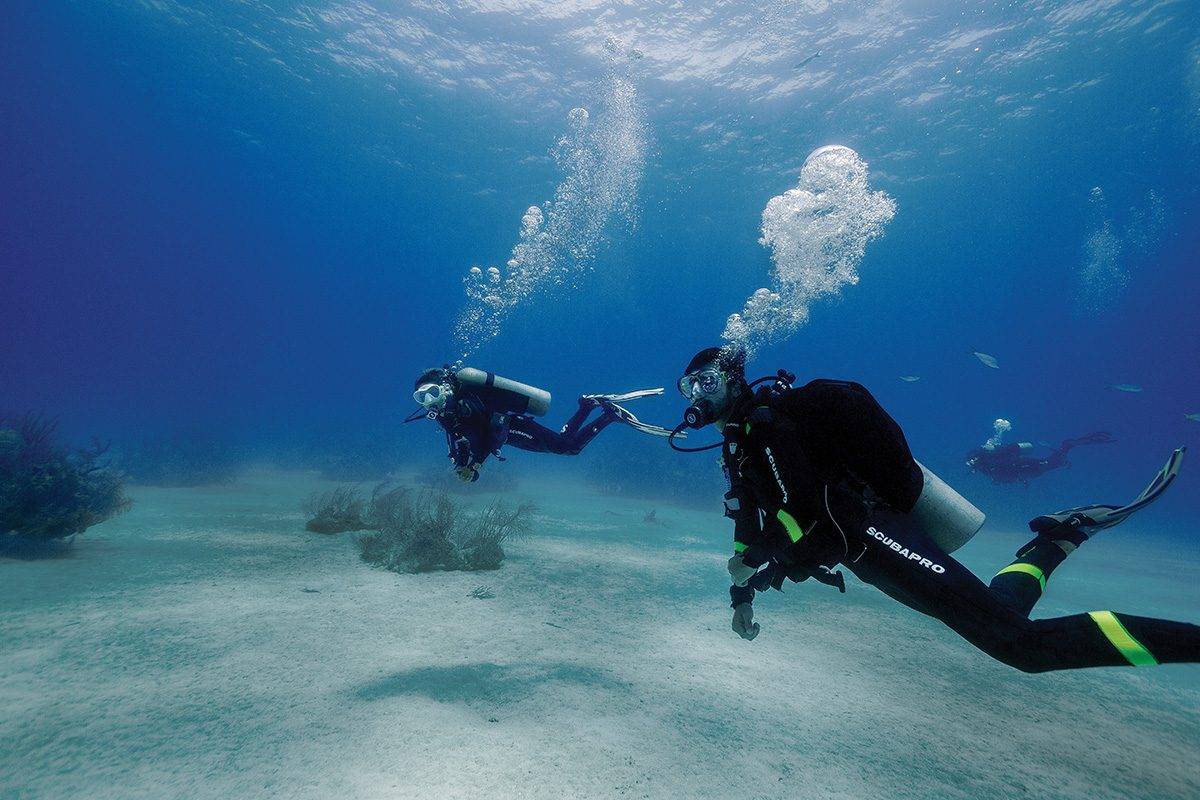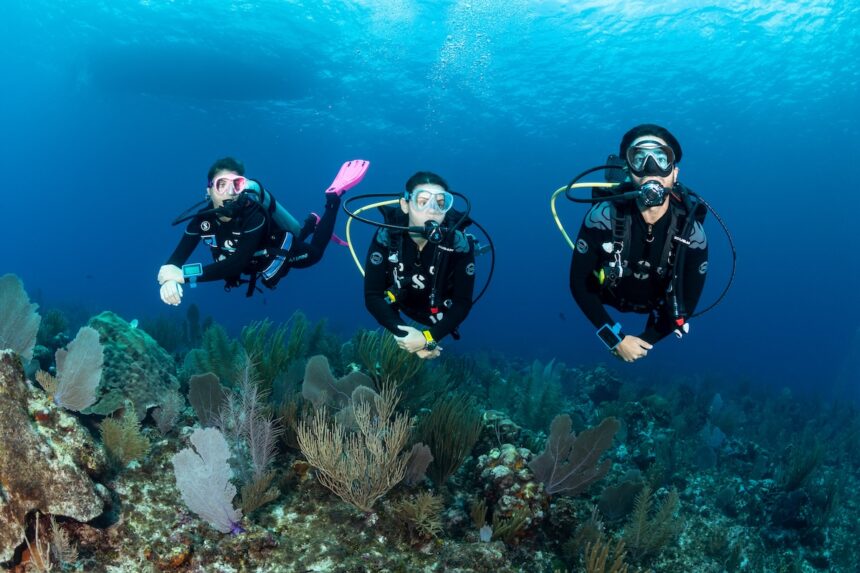
Choosing your first scuba diving destination is one of the most exciting decisions you will make as a new diver. There are hundreds of incredible dive spots around the world, but not all of them are suited to beginners. The best destinations for first-time divers offer calm, clear, warm water, rich marine life, easy access to rental gear, and qualified instructors who genuinely care about your experience.
- What Makes a Destination Good for Beginner Divers?
- 1. The Great Barrier Reef, Australia
- 2. Koh Tao, Thailand
- 3. The Maldives
- 4. Bali, Indonesia
- 5. Red Sea, Egypt
- 6. Bonaire, Caribbean
- 7. Phuket, Thailand
- Tips for Planning Your First Dive Trip Abroad
- Frequently Asked Questions About Best Scuba Diving Destinations for Beginners
- Dive Into Your First Adventure
In this guide, we have rounded up the very best scuba diving destinations for beginners in 2026. Whether you are looking for an affordable option close to home or planning a bucket list dive trip, there is something here for every new diver.
What Makes a Destination Good for Beginner Divers?
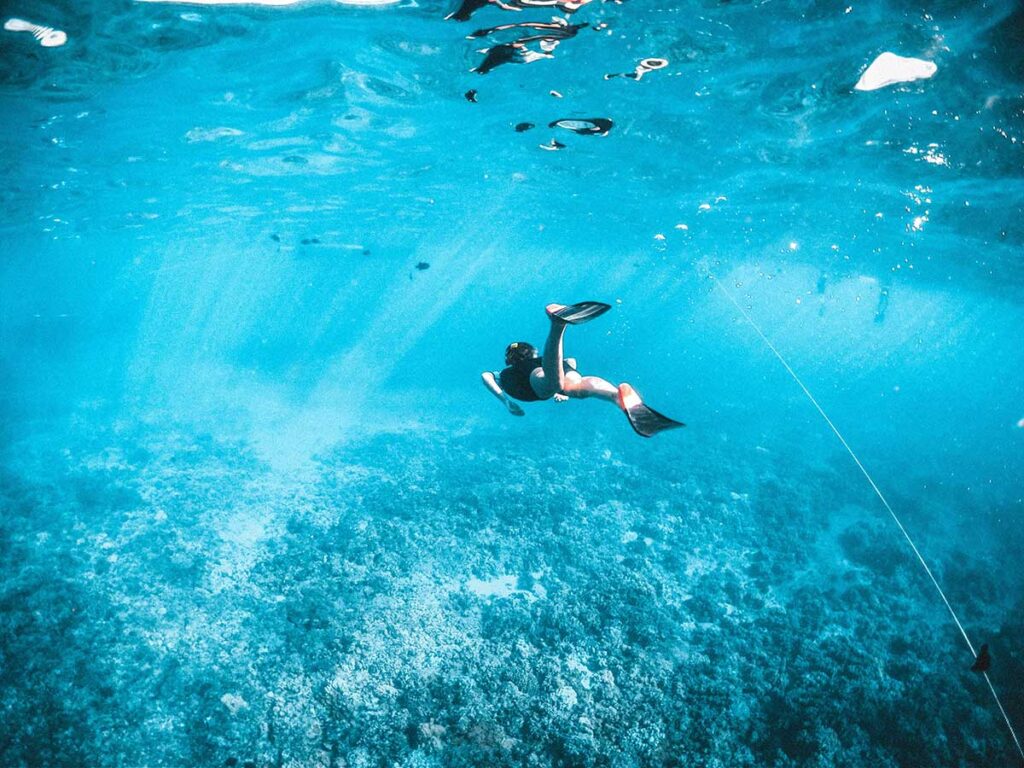
Before we jump into the list, it is worth understanding what separates a beginner-friendly destination from a more advanced one. The ideal location for a new diver has warm water, typically above 26 degrees Celsius, because cold water is uncomfortable and makes it harder to focus on learning. Visibility should be high — at least 15 metres — so you can see your surroundings clearly and not feel disoriented. Currents should be mild, depths should be manageable (under 18 metres), and the local dive community should be welcoming and well set up for tourists and new divers.
With those criteria in mind, here are the top destinations that tick every box for beginner divers in 2026.
1. The Great Barrier Reef, Australia
The Great Barrier Reef is one of the most famous dive destinations on earth, and it is also one of the most accessible for beginners. The reef stretches over 2,300 kilometres along Queensland’s coast and offers hundreds of dive sites at every skill level. Popular beginner spots like the Whitsunday Islands and Port Douglas have calm, shallow waters with visibility that regularly exceeds 20 metres.
The marine life here is simply extraordinary. You will see colourful reef fish, sea turtles, rays, and if you are lucky, whale sharks and humpback whales depending on the season. Most dive operators offer try dives for non-certified guests and full open water courses on site, making it one of the easiest places in the world to learn to dive.
2. Koh Tao, Thailand
Koh Tao has earned a global reputation as the place where more people learn to scuba dive than almost anywhere else in the world. The island is small, friendly, and built entirely around diving. The water is warm year round, the reefs are colourful and full of life, and the cost of getting certified here is among the lowest in the world.
Sites like Chumphon Pinnacle and Japanese Gardens offer stunning dives for beginners, with clear water, gentle conditions, and incredible biodiversity. If you want to get your open water certification without spending a fortune, Koh Tao should be near the top of your list for 2026.
3. The Maldives
The Maldives might be known for luxury resorts and overwater bungalows, but it is also a world class dive destination. The crystal clear turquoise water, the stunning visibility, and the sheer variety of marine life make it an unforgettable place to learn to dive. Beginner-friendly house reefs are available directly from most resorts, meaning you literally walk off your jetty and into an incredible dive.
The Maldives is a slightly more expensive option but the experience is hard to match. Encounters with manta rays, whale sharks, and vibrant coral gardens are common even on shallow beginner dives.
4. Bali, Indonesia
Bali is one of the most popular destinations in Southeast Asia and for good reason. Beyond the temples and rice fields, Bali offers world class diving at sites like Tulamben (home to the famous USS Liberty shipwreck), Amed, and Menjangan Island. Many of these sites are shallow enough for beginners, and the warm water and extraordinary marine biodiversity make every dive feel like an adventure.
Getting certified in Bali is easy, affordable, and there are dive shops in almost every beach town. The island also has great food, culture, and accommodation, making it perfect for a dive holiday that also has plenty to do above water.
5. Red Sea, Egypt
Egypt’s Red Sea coast, particularly around Hurghada and Sharm el-Sheikh, is one of the most popular beginner dive destinations in the world for good reason. The water here is incredibly clear, the visibility often reaches 30 metres or more, and the reefs are packed with colourful fish, corals, and larger pelagic species like dolphins and turtles.
The Red Sea is also one of the most affordable dive destinations for European travellers, with package deals that include flights, accommodation, and unlimited diving. The water temperature is warm for most of the year, making it a great all-season destination.
6. Bonaire, Caribbean
Bonaire is often called the shore diving capital of the world. Unlike many destinations where you need to take a boat to reach dive sites, Bonaire has over 80 dive sites accessible directly from the beach. This makes it incredibly easy and relaxed for beginners who want to take their time and not feel rushed.
The island has very strict marine protection laws, which means the reefs are in excellent health. Fish are plentiful and friendly, visibility is consistently good, and the pace of life on the island perfectly matches the relaxed rhythm of recreational diving.
7. Phuket, Thailand
Phuket is another excellent option in Thailand for beginner divers. Dive boats from Phuket access the famous Similan Islands, which offer some of the best visibility in Asia and incredible marine life including leopard sharks, whale sharks during season, and enormous schools of fish. Day trips and liveaboard options are both available, catering to all budgets and preferences.
Tips for Planning Your First Dive Trip Abroad
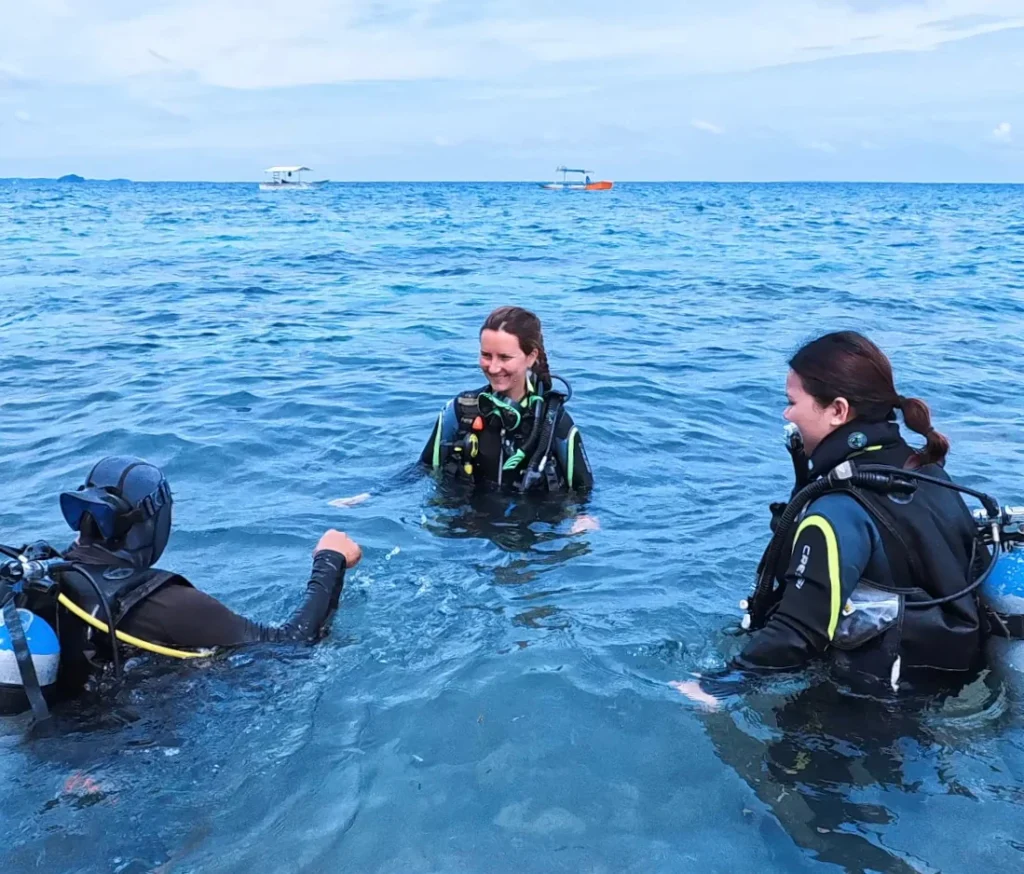
Before you book a dive trip, make sure your certification is up to date. If you got certified more than a year ago but have not dived since, consider doing a refresher course locally before you travel. This will help you feel confident and get the most out of your destination dives.
Always research the dive operators at your destination before you arrive. Look for operators who are affiliated with PADI, SSI, or NAUI and have strong recent reviews. A good dive operator makes all the difference, especially when you are new to the sport.
Before any dive trip, it also helps to brush up on your equipment knowledge. Our scuba tank weight chart is a great resource to understand the gear you will be using, especially if you plan to travel with your own equipment.
Frequently Asked Questions About Best Scuba Diving Destinations for Beginners
Which country is best to learn scuba diving for the first time?
Thailand, Indonesia, and Egypt are among the most popular countries in the world for learning to scuba dive. They offer warm water, excellent visibility, affordable certification costs, and a huge number of reputable dive schools. Koh Tao in Thailand is particularly well known as the global hub for beginner certifications.
Do I need to be certified before travelling to a dive destination?
No, many dive destinations offer try dives or discovery dives for non-certified guests, where you dive under the direct supervision of an instructor without needing any prior certification. However, having your open water certification opens up many more dive sites and greater independence underwater.
What is the best time of year to dive in the Maldives?
The best diving conditions in the Maldives are generally from November to April, during the dry season. Visibility is at its best and seas are calm. The wetter months from May to October can still offer good diving, especially for spotting manta rays and whale sharks on the western atolls.
Is scuba diving safe for beginners at famous dive sites?
Yes, most famous dive destinations have well established beginner zones and carefully managed beginner dive programmes. The key is always to dive within your certification limits, follow your instructor or dive guide, and never push beyond your comfort level. World famous sites like the Great Barrier Reef and the Red Sea cater specifically to beginners every single day.
How much does a beginner dive trip typically cost?
Costs vary widely by destination. A budget-friendly open water certification in Koh Tao might cost as little as 10,000 to 12,000 Thai Baht (around 280 to 350 US dollars). In the Maldives or Australia, costs will be significantly higher. Budget for certification, equipment rental, boat fees, and accommodation when planning your trip.
Dive Into Your First Adventure
The world beneath the ocean surface is waiting for you. Any of the destinations on this list will give you an incredible introduction to scuba diving in 2026. Do your research, pick a reputable dive operator, and go explore. For more beginner guides, gear advice, and dive destination inspiration, visit Scoobadive Guide — your go-to resource for everything scuba.