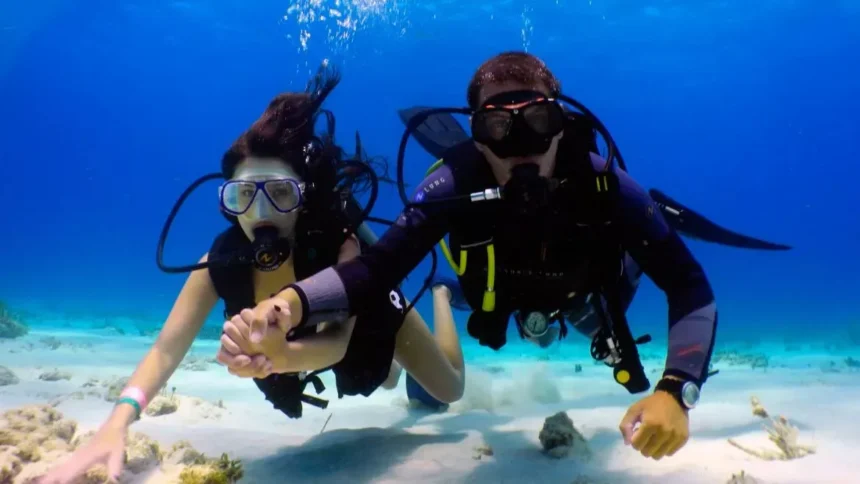
If you’ve ever dreamed of exploring the colorful world beneath the ocean waves, scuba diving in Goa offers the perfect starting point for your underwater journey. This beautiful coastal paradise on India’s western shore isn’t just famous for its golden beaches and Portuguese heritage. The waters along Goa’s coastline hide amazing marine life, coral formations, and exciting dive sites that welcome both beginners and experienced divers throughout the year.
- Why Choose Goa for Your Scuba Diving Experience
- Best Scuba Diving Places in Goa
- What to Expect During Your First Dive
- Best Time for Scuba Diving in Goa
- Safety Considerations and Requirements
- Costs and Package Options
- Preparing for Your Dive
- Making the Most of Your Experience
- Beyond Your First Dive
- Frequently Asked Questions
- Ready to Take the Plunge?
Goa has become one of India’s most popular destinations for people wanting to try diving for the first time. The warm Arabian Sea waters, gentle currents at most dive sites, and professional dive centers make it an ideal place to take your first breath underwater. Whether you’re planning a quick introduction dive or want to earn your diving certification, the diving scene in Goa has something special waiting for you.
Why Choose Goa for Your Scuba Diving Experience
The appeal of diving in Goa goes beyond just the underwater scenery. The state offers a unique combination of factors that make it stand out as a diving destination in India. The water temperature stays comfortable throughout most of the year, typically ranging between 27 to 29 degrees Celsius. This means you won’t need thick wetsuits, making the experience more comfortable, especially for first-timers who might feel nervous about all the equipment.
Visibility in Goa’s waters can reach up to 15 meters on good days, particularly during the peak season from October to May. While this might not match some tropical destinations, it’s perfectly adequate for enjoying the marine life and getting comfortable with diving skills. The relatively shallow depth of many dive sites, usually between 6 to 12 meters, makes them accessible for beginners while still offering interesting experiences.
Another major advantage is the strong diving infrastructure that has developed in Goa over the years. Numerous certified dive centers operate along the coast, particularly around popular areas like Grande Island, Malvan, and Bat Island. These centers employ experienced instructors who understand how to work with nervous beginners and create a safe, enjoyable introduction to the underwater world.
Best Scuba Diving Places in Goa
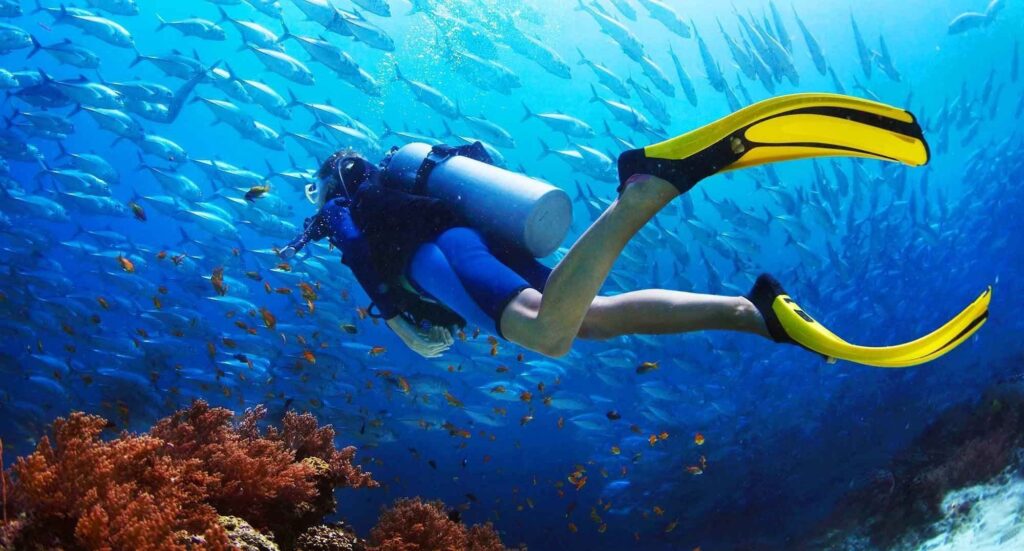
When it comes to scuba diving places in Goa, several locations have earned their reputation as must-visit spots for underwater enthusiasts. Each site offers its own unique characteristics and marine life encounters.
Grande Island
Grande Island stands out as the most popular diving location in the region. Located off the coast near Vasco da Gama, this site attracts divers with its diverse marine ecosystem. The waters around Grande Island host colorful reef fish, sea cucumbers, starfish, and if you’re lucky, you might spot lobsters hiding in the rocky crevices. The island’s underwater landscape includes interesting rock formations that create natural habitats for various sea creatures.
Most dive operators offer trips to Grande Island throughout the diving season. The journey to the island itself becomes part of the adventure, with boat rides offering views of Goa’s coastline and chances to spot dolphins playing in the waves. The dive sites around the island suit different experience levels, with some areas perfect for absolute beginners and others offering more challenging dives for certified divers.
Suzy’s Wreck
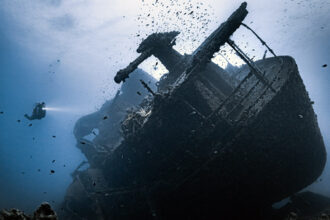
For those seeking something more adventurous, Suzy’s Wreck provides a fascinating dive experience. This site features the remains of a cargo ship that sank decades ago and has since become an artificial reef. The wreck sits at a depth that makes it accessible for advanced beginners and intermediate divers. Swimming around and through parts of the wreck while schools of fish dart around creates an unforgettable experience that feels like exploring a underwater museum.
The wreck has become home to various marine species over the years. Soft corals have attached themselves to the ship’s structure, and small fish use the protected spaces as nurseries. The site demonstrates how human-made structures can eventually blend into the marine environment and support ocean life.
Bat Island
Bat Island offers another excellent option for scuba in Goa, particularly for those staying in South Goa. The island gets its name from the fruit bats that inhabit it, but below the surface, the attraction comes from the healthy marine life. The underwater terrain around Bat Island includes rocky outcrops and small caves that shelter octopuses, moray eels, and various crustaceans.
The currents around Bat Island tend to be gentle, making it suitable for newer divers building their confidence. The visibility here often exceeds that of other sites, especially during the winter months when the sea conditions are calmest. Many divers report seeing schools of snapper, triggerfish, and occasionally larger species like groupers during their dives here.
Sail Rock
Sail Rock presents a more challenging dive site that attracts experienced divers looking for deeper exploration. The rock formation extends quite deep into the water, creating a dramatic underwater landscape. The site is known for stronger currents, which bring nutrient-rich water that supports abundant marine life. Divers at Sail Rock often encounter larger fish species and sometimes even turtles during the right season.
What to Expect During Your First Dive
Understanding what happens during your scuba goa experience helps reduce nervousness and lets you enjoy the adventure fully. Most dive centers follow a similar pattern for introductory dives, designed to ensure safety while maximizing enjoyment.
Your day typically begins with registration and a brief medical questionnaire. Dive centers need to know about any health conditions that might affect your ability to dive safely. Once cleared, you’ll receive a thorough briefing covering basic diving principles, hand signals for underwater communication, and safety procedures. Don’t hesitate to ask questions during this session. Good instructors welcome questions and want you to feel completely comfortable before entering the water.
Before heading out to sea, you’ll try on your diving equipment. This includes a wetsuit, mask, fins, and the all-important buoyancy control device with attached air tank. Speaking of tanks, if you’re curious about equipment specifics, you can check out our detailed scuba tank weight chart to understand more about the gear you’ll be using.
The actual diving experience starts with shallow water practice. Your instructor will guide you through essential skills like clearing your mask, breathing through your regulator, and equalizing pressure in your ears. These practice sessions happen in chest-deep water where you can stand up anytime if needed. Only after you’re comfortable with these basics will the instructor suggest moving to slightly deeper water.
Your first open water dive usually lasts between 20 to 30 minutes, though it might feel much shorter because of all the exciting things to see. Throughout the dive, your instructor stays right beside you, monitoring your comfort level and pointing out interesting marine life. The maximum depth for introductory dives typically stays around 10 meters, which is perfect for getting accustomed to the experience without feeling overwhelmed.
Best Time for Scuba Diving in Goa
Timing your visit correctly makes a huge difference in your diving experience. The diving season in Goa runs primarily from October through May, with each period offering slightly different conditions.
October to February represents the peak season for diving in Goa. During these months, the sea conditions are most stable, with calmer waters and excellent visibility. The weather remains pleasant, with comfortable temperatures both above and below water. This period attracts the most visitors, so booking your dive experiences in advance becomes important, especially if you’re visiting during Christmas or New Year holidays.
March to May brings slightly warmer weather but still offers good diving conditions. The water visibility remains good, though it may decrease slightly compared to winter months. Some divers actually prefer this period because the dive sites are less crowded, and dive operators sometimes offer better rates outside peak tourist season.
The monsoon season from June to September sees most dive centers closing their operations. The rough seas, reduced visibility, and unpredictable weather make diving unsafe during this period. If your visit to Goa falls during monsoon months, you’ll need to enjoy the destination’s other attractions and plan your diving adventure for a return visit during the proper season.
Safety Considerations and Requirements
Safety remains the top priority for any water activity, and diving requires following specific guidelines to ensure everyone has a fun, incident-free experience. Understanding these requirements before you book helps avoid disappointment and ensures you’re properly prepared.
Age requirements for diving in Goa typically set the minimum at 10 years old, though some operators prefer participants to be at least 12. Children can try diving under close supervision, but they need to demonstrate comfort in water and ability to follow instructions carefully. There’s no upper age limit for diving, but physical fitness becomes more important as we get older.
Certain medical conditions can prevent safe diving. Issues affecting the lungs, heart, or ears typically require medical clearance before diving. If you’re taking any regular medications or have any health concerns, discussing them with your doctor before booking your dive is wise. Pregnant women cannot dive at any stage of pregnancy due to potential risks to the developing baby.
Basic swimming ability is important, though you don’t need to be an Olympic swimmer. You should feel comfortable putting your face in water and be able to swim at least 200 meters without difficulty. If you’re not a confident swimmer, consider taking some swimming lessons before your trip. Many people who aren’t strong swimmers still enjoy diving, but having water confidence makes the experience much more enjoyable.
Costs and Package Options
Understanding the financial aspect helps you plan your diving adventure properly. Scuba diving in Goa remains surprisingly affordable compared to many international diving destinations, making it accessible to a wide range of budgets.
Introductory diving experiences, often called “discover scuba diving” programs, typically cost between 2500 to 4500 rupees per person. This price usually includes all equipment rental, boat transportation to the dive site, instruction, and sometimes underwater photographs or videos of your dive. The variation in pricing depends on factors like the specific dive location, duration of the dive, and what additional services are included.
If you’re interested in getting certified, PADI Open Water certification courses are widely available in Goa. These courses span three to four days and cost approximately 18,000 to 25,000 rupees. Certification allows you to dive anywhere in the world without requiring an instructor to accompany you, opening up unlimited future diving opportunities.
Many operators offer package deals that combine diving with other water activities like snorkeling, parasailing, or boat rides. These packages can provide good value if you’re interested in trying multiple activities during your Goa visit. Always check what’s included in any package to ensure you’re getting what you expect.
Preparing for Your Dive
Proper preparation enhances your diving experience and helps ensure everything goes smoothly. Start by researching and booking with a reputable dive center well in advance, especially if you’re visiting during peak season. Look for centers with good reviews, proper certifications, and experienced instructors.
Get a good night’s sleep before your dive day. Being well-rested helps you stay alert during safety briefings and makes the physical aspects of diving easier. Eat a light, normal breakfast on the morning of your dive. Avoid heavy, greasy foods that might make you feel uncomfortable on the boat ride or during the dive itself.
Avoid alcohol for at least 24 hours before diving. Alcohol affects your body’s ability to off-gas nitrogen properly and increases the risk of decompression sickness. Also, skip the alcohol the night before to ensure you’re well-hydrated and feeling your best.
Bring sunscreen, a towel, and a change of clothes for after your dive. Don’t forget your medical paperwork if required, and bring any necessary medications with you. A waterproof bag helps keep your dry clothes and electronics safe during the boat ride.
Making the Most of Your Experience
A few simple tips can transform your diving experience from good to amazing. First, listen carefully to all instructions and don’t be shy about asking questions. Your instructor wants you to understand everything clearly, and there’s no such thing as a silly question when it comes to safety.
Relax and breathe normally underwater. Many beginners hold their breath or breathe very shallowly because it feels strange at first. Remember that your equipment is designed to let you breathe naturally underwater. Taking slow, deep breaths helps you stay calm and conserve your air supply.
Move slowly and deliberately in the water. Quick, jerky movements use more energy and air while also potentially startling marine life. Divers who move gracefully through the water have better experiences and get closer looks at the underwater creatures.
Keep your hands to yourself underwater. As tempting as it might be to touch interesting things, marine life is delicate and some creatures can be dangerous if disturbed. Look with your eyes, not your hands. Take only pictures and memories, leaving everything as you found it for future divers to enjoy.
Beyond Your First Dive
Many people discover that their first diving experience creates a lasting passion for the underwater world. If you find yourself wanting more after your introductory dive, several options let you deepen your involvement with the sport.
Getting certified opens up the entire world of diving to you. With an Open Water certification, you can dive to 18 meters depth and rent equipment at dive centers worldwide without needing constant instructor supervision. The certification never expires, though you should dive regularly to maintain your skills and comfort level.
Advanced certifications let you explore deeper sites, learn specialized skills like underwater navigation and photography, or even train to help teach others. The diving education pathway offers continuous learning opportunities for those who become passionate about the sport.
Goa itself offers plenty of room for diving progression. After gaining experience at the beginner-friendly sites, you can tackle more challenging locations with stronger currents or deeper depths. Some divers return to Goa multiple times, exploring different sites during each visit and noticing new details even at familiar locations.
Frequently Asked Questions
Do I need to know swimming for scuba diving in Goa?
While you don’t need to be an expert swimmer, basic water comfort is important for a safe and enjoyable diving experience. You should be able to float comfortably and feel relaxed with your face in water. Most dive centers require participants to demonstrate basic swimming ability before taking them diving. If you’re not confident in water, consider taking a few swimming lessons before your trip to make your diving experience more enjoyable.
Is scuba diving in Goa safe for beginners?
Yes, scuba diving in Goa is very safe for beginners when done through certified dive centers with experienced instructors. The dive sites popular for introductory dives have gentle conditions with calm waters and minimal currents. Instructors stay with you throughout the entire experience and maintain strict safety protocols. Thousands of people try diving for the first time in Goa every year without any problems.
What is the best month to go scuba diving in Goa?
The best months for scuba diving in Goa are November through February when the sea conditions are calmest and visibility is at its best. October and March through May also offer good diving conditions with slightly fewer crowds. Avoid the monsoon season from June to September when most dive centers close due to rough seas and poor visibility.
How deep do you go during scuba diving in Goa?
For introductory dives and first-time experiences, depths typically range between 6 to 10 meters. This depth is perfect for beginners to feel comfortable while still seeing plenty of marine life. Certified divers can explore deeper sites, with some locations around Goa reaching 15 to 20 meters. The exact depth depends on your experience level, certification status, and the specific dive site chosen.
Can I wear contact lenses while diving?
You can wear contact lenses while diving, though there is a small risk of losing them if water enters your mask. Soft contact lenses work better than hard lenses for diving. Some divers prefer using prescription dive masks to avoid the contact lens issue entirely. If you do wear contacts while diving, close your eyes if you need to clear your mask underwater to prevent losing them.
How long does a scuba diving session last?
A complete scuba diving session including briefing, equipment fitting, boat ride, and the actual dive typically takes 3 to 4 hours. The underwater portion for beginners usually lasts 20 to 30 minutes, depending on your air consumption and comfort level. Certified divers on subsequent dives might stay underwater for 40 to 50 minutes. Plan to dedicate at least half a day to your diving experience.
Ready to Take the Plunge?
Scuba diving in Goa offers an incredible opportunity to explore a completely different world hidden beneath the waves. The combination of beautiful marine life, professional dive centers, and welcoming waters makes it an ideal place for your first diving experience or to continue your underwater adventures. The memories you create exploring Goa’s underwater realm will stay with you long after you’ve dried off and returned to shore.
Don’t let fear or uncertainty hold you back from this amazing experience. Thousands of people try diving for the first time every year, and the vast majority absolutely love it. The sense of weightlessness, the quiet beauty of the underwater world, and the amazing feeling of breathing underwater combine to create truly unforgettable moments.
Start planning your diving adventure today by researching certified dive centers in Goa and booking your experience for the upcoming season. Whether you choose Grande Island, Bat Island, or any of the other fantastic dive sites, the underwater world of Goa is waiting to welcome you. Take that first step, and you might just discover a new passion that brings you joy for years to come.
Ready to explore more about scuba diving? Visit Scooba Dive Guide for comprehensive information, tips, and guides to help you make the most of your underwater adventures. Our expert resources cover everything from equipment basics to advanced diving techniques, helping you become a confident and knowledgeable diver.