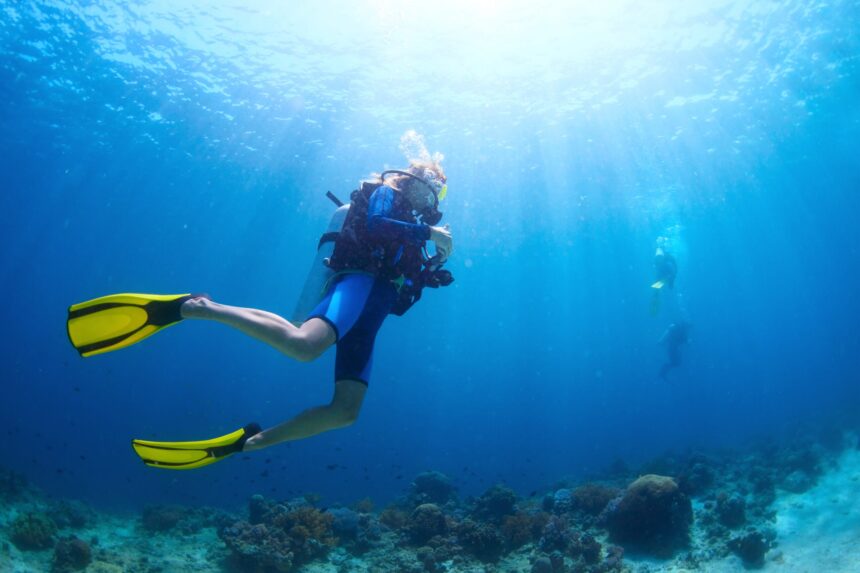
Scuba diving is considered one of the safest adventure sports when done correctly. However, accidents can still happen due to equipment failure, negligence, medical emergencies, or poor supervision. When injuries occur underwater, victims often face not only medical trauma but also confusion about who is legally responsible and whether compensation is possible.
- When Is a Scuba Diving Accident Lawyer Needed?
- What Counts as Negligence in a Scuba Diving Accident?
- Who Can Be Held Responsible?
- Cost of Hiring a Scuba Diving Accident Lawyer in the USA
- What Compensation Can Victims Receive?
- What Are the Chances of Winning a Scuba Diving Accident Case?
- Important Things to Do After a Diving Accident
- Is Scuba Diving Covered by Insurance?
- Final Thoughts: Do You Really Need a Lawyer?
- 📌 Frequently Asked Questions (FAQ)
- ✅ Final Takeaway
This guide explains everything you need to know about hiring a scuba diving accident lawyer in the USA, including when legal action is necessary, what negligence looks like, how much legal action costs, and the realistic chances of winning a case.
This article is purely informational and designed to help divers understand their rights.
When Is a Scuba Diving Accident Lawyer Needed?
Not every diving accident requires a lawyer. However, legal help becomes important when the injury or loss happens due to someone else’s mistake or failure to follow safety rules.
You may need a scuba diving accident lawyer if:
- The dive operator failed to follow safety protocols
- Equipment malfunctioned due to poor maintenance
- The instructor ignored medical restrictions
- Emergency procedures were delayed or mishandled
- You were not properly briefed before the dive
- The accident caused permanent injury or death
Many divers assume that signing a waiver means they cannot take legal action. That is not always true. Waivers do not protect dive operators from gross negligence or reckless behavior.
For general diving safety and accident awareness, you can also explore this guide on
👉 Is Scuba Diving Safe for Beginners?
What Counts as Negligence in a Scuba Diving Accident?
Negligence is the most important factor in scuba diving injury cases. A lawyer will usually look for evidence that the dive operator, instructor, or facility failed to act responsibly.
Common Examples of Negligence
- Allowing an uncertified diver to dive
- Ignoring medical disclosure forms
- Poorly maintained oxygen tanks or regulators
- Inadequate dive briefings
- Exceeding safe depth limits
- Failing to monitor divers during ascent
- Delayed emergency response
If any of these contributed to the accident, a legal claim may be possible even if a waiver was signed.
Who Can Be Held Responsible?
Depending on the situation, responsibility may fall on:
- The dive shop or tour operator
- The dive instructor or guide
- Equipment rental company
- Boat operator
- Training agency (in rare cases)
In some cases, multiple parties share responsibility.
Cost of Hiring a Scuba Diving Accident Lawyer in the USA
One of the biggest concerns victims have is legal cost. Fortunately, most personal injury lawyers in the U.S. work on a contingency fee basis.
Typical Legal Cost Breakdown
| Cost Type | Estimated Amount |
|---|---|
| Consultation | Free |
| Lawyer fee | 25%–40% of settlement |
| Court filing | Included in most cases |
| Expert witnesses | Paid after settlement |
| Upfront cost | Usually $0 |
This means:
👉 You usually pay nothing unless you win.
What Compensation Can Victims Receive?
Compensation depends on the severity of the accident and who was at fault. A successful claim may cover:
- Medical bills and hospital costs
- Hyperbaric chamber treatment
- Rehabilitation and therapy
- Lost income
- Long-term disability
- Pain and suffering
- Wrongful death compensation (in fatal cases)
In serious accidents, settlements can range from $50,000 to several hundred thousand dollars, depending on evidence and long-term damage.
What Are the Chances of Winning a Scuba Diving Accident Case?
Success depends on four main factors:
- Clear negligence
- Strong medical documentation
- Witness statements or dive logs
- Experienced legal representation
Realistic Success Rates
- Minor injury cases: 30–40%
- Clear negligence cases: 60–75%
- Equipment failure or instructor error: 70%+
Cases with video evidence or dive computer data have a much higher success rate.
Important Things to Do After a Diving Accident
If you or someone else is injured while diving:
- Seek medical help immediately
- Report the incident to the dive operator
- Preserve equipment if possible
- Take photos or videos
- Do not sign additional waivers
- Contact a lawyer before speaking to insurers
Delaying action can weaken your case.
Is Scuba Diving Covered by Insurance?
Many divers assume their travel insurance covers scuba accidents — but this is often not true.
Coverage usually depends on:
- Dive depth
- Certification level
- Whether it was a guided dive
- Policy exclusions
To understand how insurance works in diving accidents, you can also refer to this in-depth guide on
👉 skydiving and adventure sports insurance coverage in the USA
which explains how extreme sports are treated under US insurance laws.
Final Thoughts: Do You Really Need a Lawyer?
You may not need a lawyer for minor injuries.
But you should consult one immediately if:
- The injury required hospitalization
- There was equipment failure
- The dive operator acted negligently
- Long-term health issues are involved
- A death occurred during the dive
Most lawyers offer free consultations, so there’s no risk in understanding your legal options.
📌 Frequently Asked Questions (FAQ)
❓ Can I sue after signing a scuba diving waiver?
Yes. Waivers do not protect against negligence or unsafe practices.
❓ How long do I have to file a scuba accident claim?
In most US states, the statute of limitations is 1–3 years, depending on location.
❓ Is scuba diving considered a high-risk activity legally?
Yes, but that does not remove liability if safety rules were ignored.
❓ What if the accident happened during a vacation?
You can still file a case in the US if the operator is US-based or insured there.
❓ Do I need a special lawyer for scuba accidents?
Yes. Look for a personal injury lawyer experienced in adventure or maritime cases.
✅ Final Takeaway
Scuba diving accidents are rare, but when they happen, the consequences can be serious. Understanding your rights, insurance coverage, and legal options can make a significant difference in recovery and compensation.
If negligence played any role, consulting a qualified scuba diving accident lawyer is often the smartest step forward.