If you’re thinking about trying scuba diving for the first time, you’re not alone. More people are signing up for introductory dives every year to experience coral reefs, shipwrecks, and marine life up close.
- Before the Dive: Getting Briefed
- Trying the Gear for the First Time
- Shallow Water Practice (Very Important Step)
- Going Underwater for Real
- How Long Does a Beginner Dive Last?
- Is Scuba Diving Scary for Beginners?
- Do Beginners Need to Be Good Swimmers?
- After the Dive: Debriefing & Recording
- Beginner Tips to Make Your First Dive Easier
- Certification After Your First Experience
- Frequently Asked Questions
- Final Thoughts
But before your first underwater adventure, it’s natural to wonder:
✔ What actually happens on a beginner dive?
✔ How deep do you go?
✔ Do you need to be able to swim well?
✔ What gear do you use?
✔ Is it scary or difficult?
This guide answers those questions so you know exactly what to expect as a beginner scuba diver — step by step.
Before the Dive: Getting Briefed
Every beginner experience starts with a pre-dive briefing. This is usually done by a certified instructor and covers:
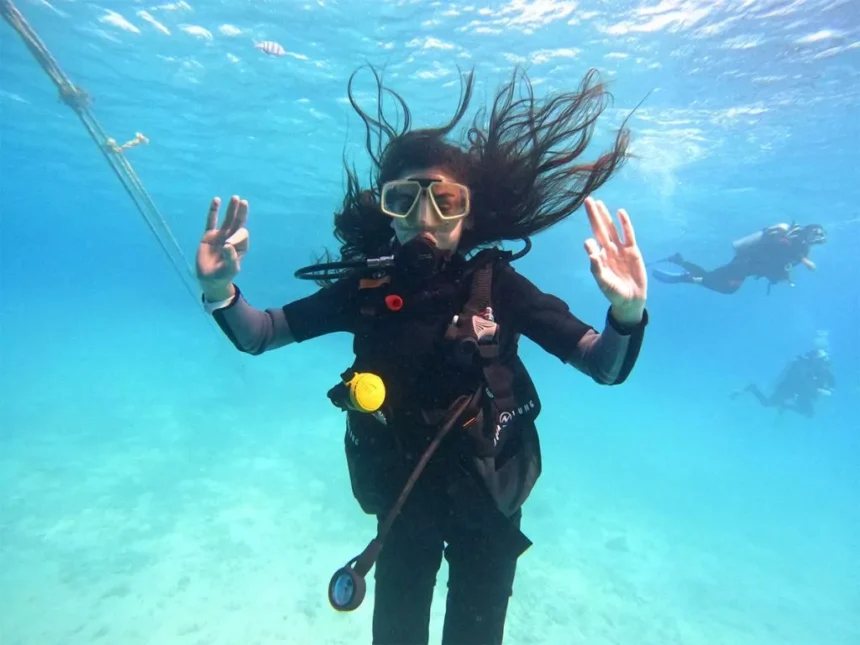
✔ basic hand signals
✔ gear overview
✔ breathing tips
✔ equalizing ears
✔ how to enter and exit the water
✔ what marine life you may see
✔ safety reminders
The goal is to make everything clear and comfortable before you even touch the water — no advanced knowledge required.
Trying the Gear for the First Time
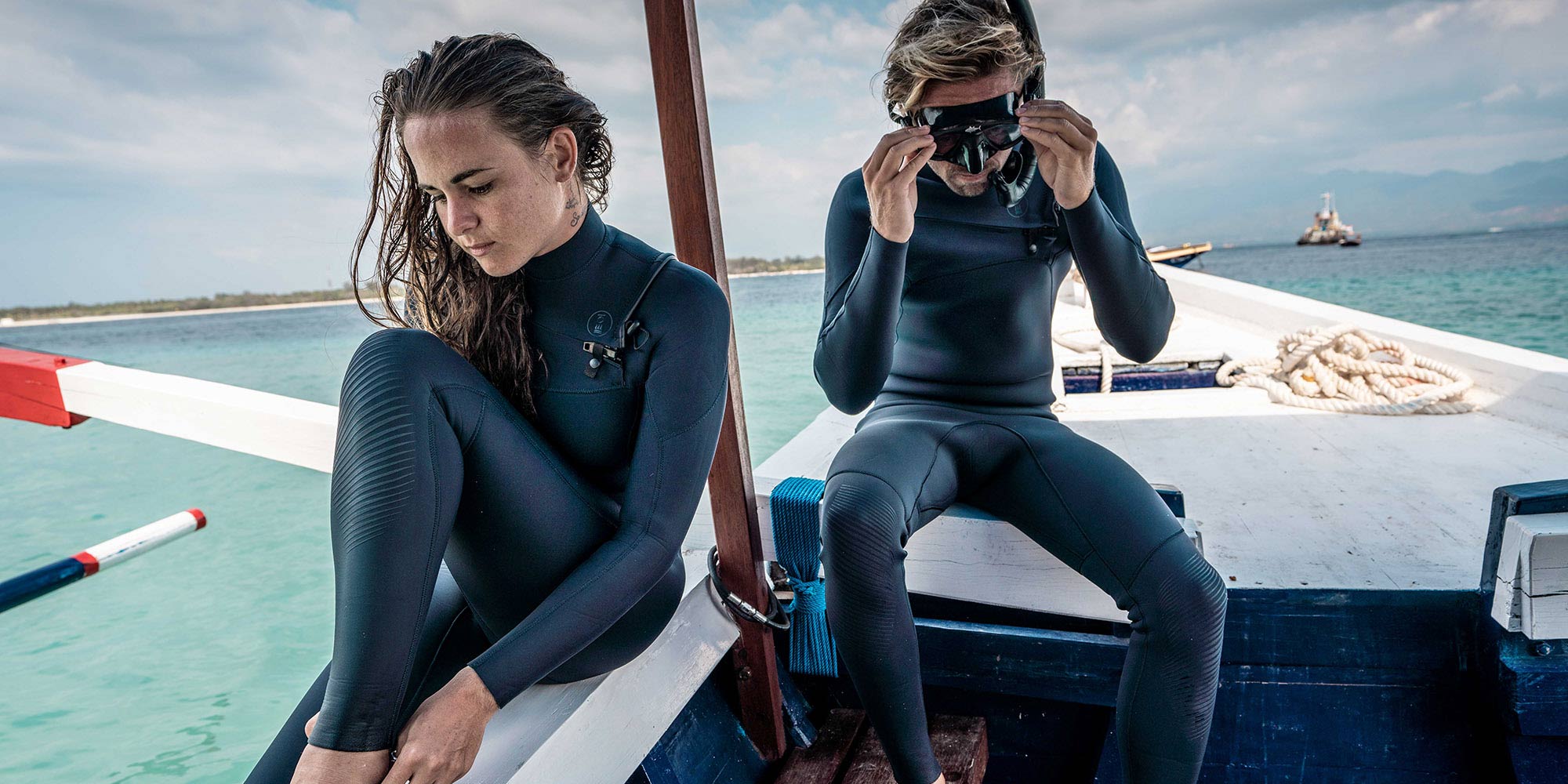
Scuba diving uses specialized gear that helps you breathe, float, and move underwater. For beginners, instructors set everything up for you and help you put it on.
Most first-time divers use:
✔ mask
✔ snorkel (optional during surface swim)
✔ fins
✔ regulator (for breathing)
✔ buoyancy control device (BCD)
✔ wetsuit
✔ scuba tank
✔ weights (if needed)
You’ll also learn how to breathe slowly and deeply through the regulator, Breathing Exercises for Beginners, which keeps air supply steady and helps you stay relaxed.
Shallow Water Practice (Very Important Step)
Before going deeper, instructors usually take beginners to shallow water to try:
✔ breathing underwater
✔ clearing water from mask (simple technique)
✔ recovering regulator if it slips out
✔ floating and fin kicking
This builds confidence and gives you time to get comfortable with the equipment.
Most beginners realize quickly that breathing underwater feels easier than expected.
Going Underwater for Real
Once you’re ready, you’ll go to the actual dive site — often from shore or boat depending on location.
Expect:
- slow descents, guided by the instructor
- equalizing pressure in ears by swallowing or pinching nose
- moving calmly with fins (no arm swimming needed)
Beginner dives are usually shallow, around:
➡ 6–12 meters (20–40 feet)
At this depth, you’ll see:
✔ fish schools
✔ coral or rock formations
✔ sea turtles (in some locations)
✔ starfish & sea cucumbers
✔ reef life moving naturally
Everything moves slower underwater, and breathing becomes rhythmic. That’s why many first-timers describe scuba as peaceful and meditative.
How Long Does a Beginner Dive Last?
Most first-time dives last about 20–45 minutes, depending on:
✔ breathing rate
✔ water conditions
✔ location rules
The instructor monitors your air supply and depth, so you don’t need to worry about those details.
Is Scuba Diving Scary for Beginners?
Surprisingly, most beginners say:
➡ fear happens on the surface,
➡ fascination happens underwater.
The moment you start seeing marine life, your brain shifts from fear to focus.
Instructors are right beside you at all times, helping you stay safe, relaxed, and aware.
Do Beginners Need to Be Good Swimmers?
Basic comfort in water helps, but you don’t need to be a competitive swimmer. Many beginner experiences happen with:
✔ flotation gear
✔ guided descents
✔ slow movement
✔ instructor supervision
If swimming confidence is low, tell your instructor — they adjust accordingly.
After the Dive: Debriefing & Recording
After surfacing, your instructor typically explains:
✔ what you saw
✔ how deep you went
✔ how long the dive lasted
✔ marine life highlights
✔ next steps for certification (optional)
If you’re doing a Discover Scuba program, you may qualify for a second dive the same day.
Beginner Tips to Make Your First Dive Easier
✔ breathe slow and steady
✔ don’t rush movements
✔ equalize ears early & often
✔ avoid touching corals or animals
✔ stay close to instructor
✔ relax legs and use fins gently
✔ don’t hold your breath
These tips make your experience smoother and more enjoyable.
Certification After Your First Experience
If you enjoy your first dive, you can continue toward open water certification, which includes:
✔ classroom/online learning
✔ pool sessions
✔ open water dives
Certification lets you dive with a buddy without an instructor in many places around the world.
For a full guide to certification, check out our website’s resources and diving guides for beginners.
Frequently Asked Questions
How deep do beginners go?
Usually 6–12 meters (20–40 feet).
Can I dive if I wear glasses?
Yes — prescription masks exist, and contact lenses are commonly used.
What if I panic underwater?
Instructors are trained to help; slow breathing solves most nerves quickly.
Is scuba dangerous for beginners?
Beginner programs use shallow depths, safety briefings, and direct supervision to minimize risks.
How old do you have to be?
Age varies by agency, but many programs allow kids 10+ with parental consent.
Final Thoughts
Scuba diving for beginners is an unforgettable experience that opens the door to a world most people never get to see. With proper instruction, supportive guidance, and shallow controlled environments, first-time divers discover that scuba is not just safe, but surprisingly peaceful and addictive.
If you’ve ever imagined exploring reefs, gliding with fish, or floating weightless — your first dive is the perfect place to start.