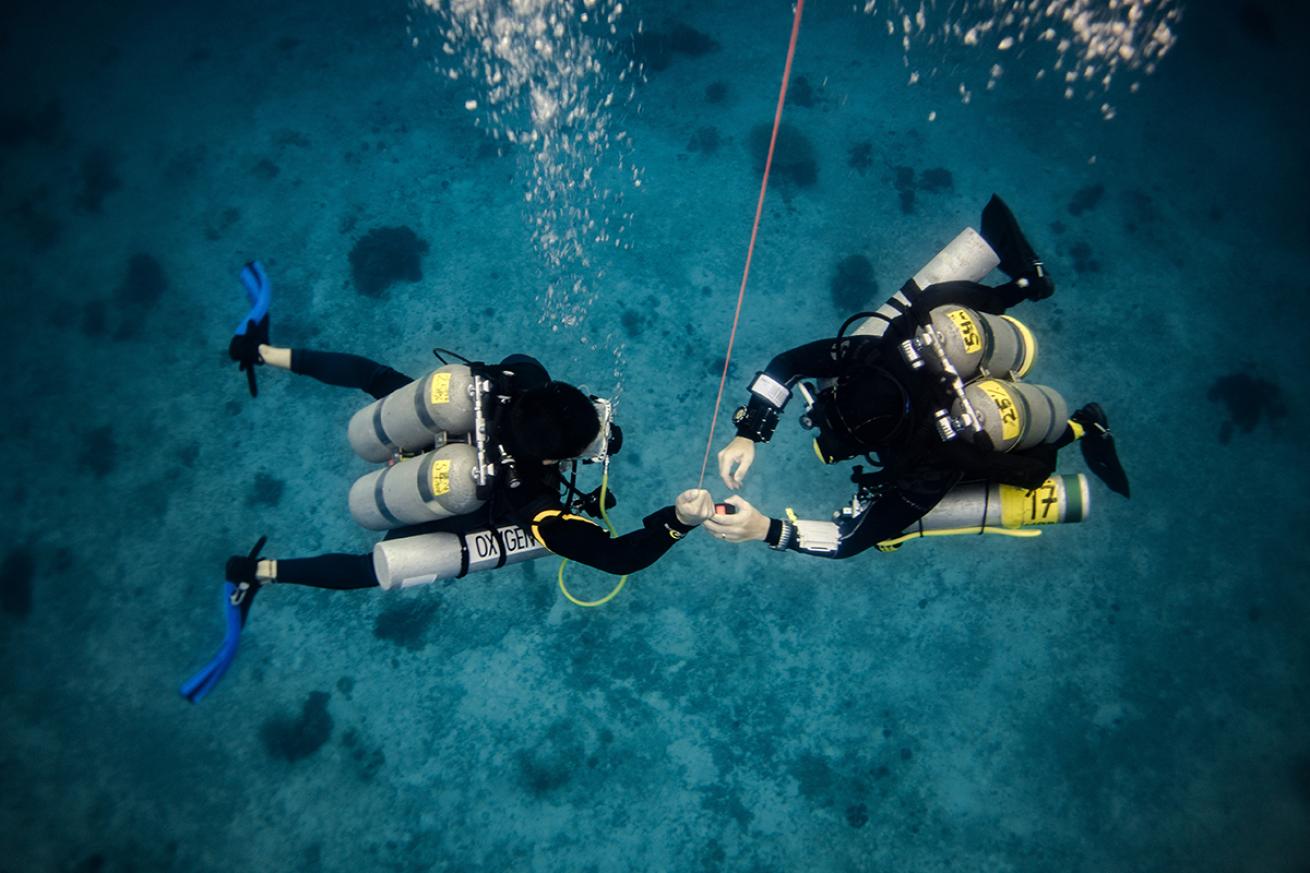
Scuba diving is considered one of the safest adventure sports when done correctly. However, like any activity that relies heavily on technical gear, equipment failure can turn a safe dive into a life-threatening situation if divers are unprepared or unaware.
- Common Scuba Diving Equipment Failures
- Why Proper Equipment Maintenance Is Critical
- Instructor Responsibility in Preventing Equipment Failure
- Real Risk: How Common Is Equipment Failure in Scuba Diving?
- How to Reduce Scuba Diving Equipment Failure Risk
- Is Equipment Failure a Reason to Avoid Scuba Diving?
- Final Thoughts: Stay Informed, Not Afraid
- Frequently Asked Questions About Scuba Diving Equipment Failure
Understanding scuba diving equipment failure risks, how often they occur, why they happen, and how to prevent them is essential—especially for beginners and recreational divers in the United States.
In this guide, we’ll break down:
- The most common scuba diving equipment failures
- Why proper maintenance is critical
- The instructor’s responsibility in preventing accidents
- Practical risk-reduction tips every diver should follow
This article is written for safety awareness, not fear, and follows globally accepted diving standards.
Common Scuba Diving Equipment Failures
While modern scuba gear is highly reliable, failures still occur—usually due to poor maintenance, human error, or improper use.
1. Regulator Malfunction
The regulator is the most critical piece of diving equipment. Common issues include:
- Free-flowing air
- Blocked airflow
- Frozen second stage (cold water dives)
- Cracked or worn O-rings
A regulator failure underwater can cause panic, rapid air loss, or forced ascent if the diver is untrained.
2. BCD (Buoyancy Control Device) Failure
A malfunctioning BCD can affect buoyancy and depth control.
Common problems include:
- Inflator hose sticking
- Air leaks
- Deflator valve failure
- Bladder punctures
Loss of buoyancy control can cause uncontrolled ascent or descent—both extremely dangerous.
3. Tank Valve or O-Ring Failure
O-ring blowouts are one of the most common equipment-related diving issues.
They usually occur due to:
- Poor inspection
- Old or cracked O-rings
- Improper tank setup
Though often not fatal, they can lead to sudden air loss and dive cancellation.
4. Dive Computer Failure
Dive computers may fail due to:
- Dead batteries
- Water intrusion
- Software malfunction
Without a functioning computer, a diver risks:
- Decompression sickness
- Incorrect ascent rates
- Exceeding safe bottom time
5. Mask and Fin Issues
While less dangerous, these still cause problems:
- Broken straps
- Poor fit
- Lost fins during entry
Even minor equipment failure can lead to panic—especially in inexperienced divers.
Why Proper Equipment Maintenance Is Critical
Most scuba diving accidents related to gear are preventable.
Regular Maintenance Prevents:
- Air supply interruption
- Buoyancy issues
- Unexpected equipment shutdown
- Emergency ascents
Recommended Maintenance Schedule:
| Equipment | Service Frequency |
|---|---|
| Regulator | Once per year |
| BCD | Annual inspection |
| Tank | Visual annually, hydro test every 5 years |
| Dive computer | Battery check before trips |
| O-rings | Replace regularly |
Neglecting maintenance is one of the leading contributors to diving incidents worldwide.
Instructor Responsibility in Preventing Equipment Failure
A certified dive instructor plays a major role in preventing accidents—especially during training dives.
Instructor Responsibilities Include:
- Inspecting rental gear before dives
- Ensuring correct equipment setup
- Checking air supply and regulator function
- Confirming student comfort and fit
- Performing buddy checks
If an accident occurs due to negligence or faulty rental equipment, liability may fall on the dive operator.
This is why many divers choose dive centers that follow strict safety protocols and maintain documented equipment servicing.
👉 You can also read about scuba diving insurance coverage and risk protection on
Scuba Diving Depth Limit Insurance
Real Risk: How Common Is Equipment Failure in Scuba Diving?
According to diving safety organizations:
- Equipment-related incidents account for less than 15% of diving accidents
- Most are non-fatal and manageable
- Human error plays a larger role than gear failure
Modern scuba gear is designed with:
- Backup systems
- Redundant air sources
- Safety release valves
In most cases, panic—not failure—is the real danger.
How to Reduce Scuba Diving Equipment Failure Risk
1. Always Do a Pre-Dive Safety Check
Use the BWRAF method:
- B – BCD
- W – Weights
- R – Releases
- A – Air
- F – Final check
2. Never Skip Equipment Servicing
Annual servicing is cheaper than medical bills or emergency evacuation.
3. Use Reputable Dive Centers
Avoid:
- Old or damaged gear
- Uncertified instructors
- Poorly maintained compressors
4. Carry Redundant Safety Gear
- Backup air source
- Dive knife
- Surface marker buoy (SMB)
5. Stay Within Training Limits
Many accidents occur when divers:
- Exceed depth limits
- Ignore certification limits
- Attempt advanced dives without training
Is Equipment Failure a Reason to Avoid Scuba Diving?
No.
Scuba diving remains one of the safest adventure sports when:
- Proper training is followed
- Equipment is maintained
- Dives are planned responsibly
In fact, driving to a dive location is statistically more dangerous than the dive itself.
For a deeper breakdown of diving safety and risks, see this guide:
👉 Scuba Diving Risks and Safety Explained
Final Thoughts: Stay Informed, Not Afraid
Scuba diving equipment is engineered with safety as the top priority.
Failures are rare, predictable, and mostly preventable.
By:
- Maintaining gear
- Diving within limits
- Choosing certified instructors
- Staying calm in emergencies
you significantly reduce all risks associated with scuba diving.
Knowledge, not fear, is the best safety tool.
Frequently Asked Questions About Scuba Diving Equipment Failure
How common is scuba diving equipment failure?
Scuba diving equipment failure is actually quite rare, especially when divers use properly maintained gear. Most modern scuba equipment is designed with multiple safety features and backup systems. In most reported cases, problems occur due to poor maintenance, outdated equipment, or incorrect usage rather than manufacturing defects. When divers follow safety guidelines and service their gear regularly, the chances of equipment failure are extremely low.
What is the most common scuba diving equipment failure?
The most common equipment issues include regulator free-flow, worn-out O-rings, and BCD inflation problems. These issues usually happen because of lack of servicing or improper pre-dive checks. Fortunately, most of these problems are minor and manageable when divers are properly trained and remain calm underwater.
Can scuba diving equipment failure be fatal?
Fatal accidents caused purely by equipment failure are very rare. In most serious cases, human error, panic, or ignoring safety procedures plays a much bigger role than faulty gear. Modern scuba equipment is built with redundancy, meaning even if one component fails, there is usually a backup system available to help the diver safely surface.
How can divers reduce the risk of equipment failure?
Divers can significantly reduce equipment-related risks by servicing their gear annually, performing pre-dive safety checks, and using equipment from certified dive centers. It’s also important to stay within training limits, avoid diving with unfamiliar gear, and never skip equipment inspections before entering the water.
Is rented scuba gear safe to use?
Yes, rental scuba gear is generally safe when obtained from a reputable and certified dive center. Professional dive shops regularly inspect and service their equipment according to international safety standards. However, divers should still perform their own basic checks before every dive to ensure everything is functioning correctly.
Should beginners worry about equipment failure?
Beginners should be cautious but not fearful. Most beginner-level dives are conducted under instructor supervision using well-maintained equipment. As long as divers follow training guidelines, communicate with their instructor, and avoid pushing limits, the risk of equipment failure remains extremely low.