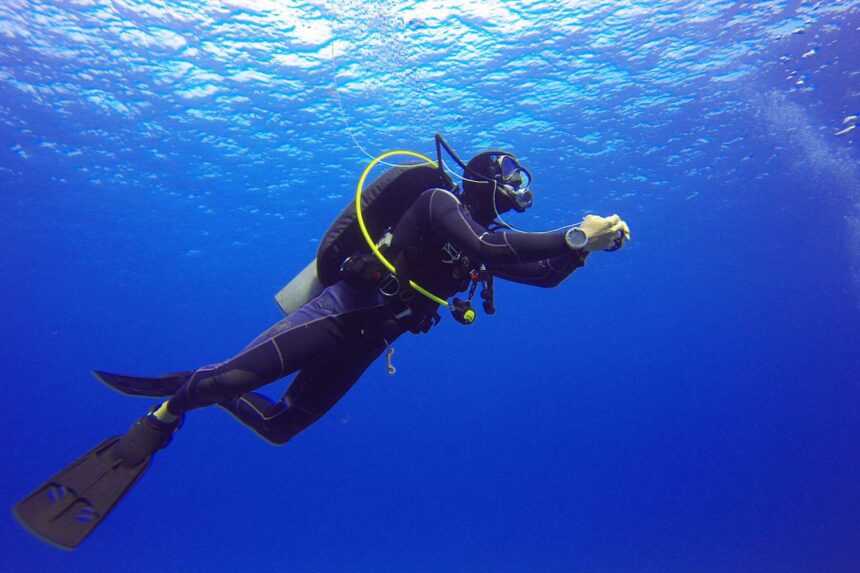
Have you ever wondered what it feels like to breathe underwater and explore a completely different world? Scuba diving opens up an amazing universe beneath the waves, where colorful fish swim around coral reefs and mysterious shipwrecks tell stories from the past. Whether you’re thinking about trying diving for the first time or you want to learn more about this exciting activity, this guide will help you understand everything about scuba diving and diving in general.
- What Is Scuba Diving and How Does It Work
- Different Types of Diving You Can Try
- Essential Equipment Every Diver Needs
- Learning to Dive: Training and Certification
- Where You Can Go Scuba Diving
- Safety Tips Every Diver Should Follow
- The Amazing Marine Life You’ll Encounter
- Environmental Responsibility for Divers
- Start Your Diving Adventure Today
- Frequently Asked Questions About Scuba Diving
Scuba diving is not just a hobby or a sport. It’s an adventure that lets you see parts of our planet that most people never get to experience. From tropical coral reefs to deep ocean caves, the underwater world is waiting for you to discover it. Let’s dive into everything you need to know about scuba diving and how you can start your own underwater journey.
What Is Scuba Diving and How Does It Work
Scuba diving is a way of swimming underwater while breathing air from a tank that you carry on your back. The word “scuba” actually stands for Self-Contained Underwater Breathing Apparatus. This means you have everything you need to breathe underwater right there with you, so you don’t need to come up to the surface for air every few seconds like when you’re swimming normally.
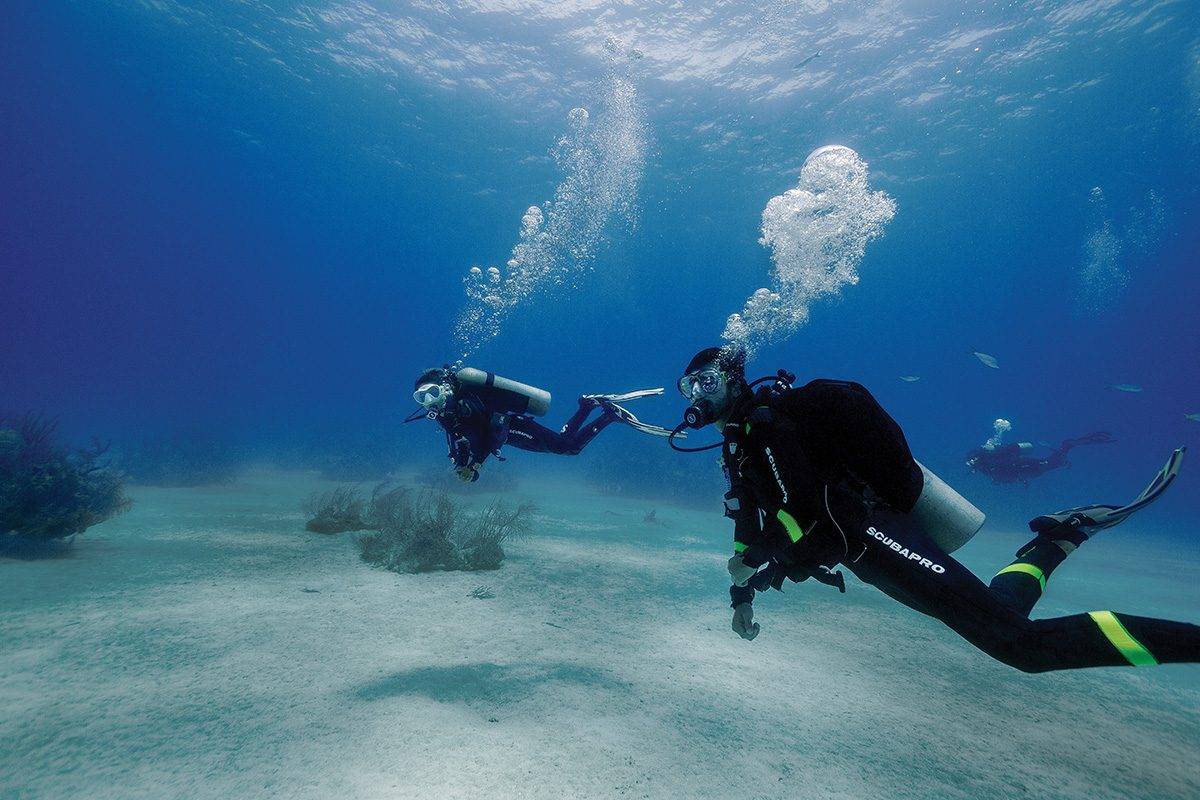
When you go scuba diving, you wear special equipment that helps you stay safe and comfortable underwater. The most important piece is the scuba tank, which holds compressed air that you breathe through a regulator. The regulator is a smart device that gives you air at just the right pressure for the depth where you’re swimming. You also wear a mask so you can see clearly underwater, fins on your feet to help you swim faster and easier, and a special jacket called a buoyancy control device that helps you float or sink when you want to.
The science behind scuba diving is really interesting. As you go deeper underwater, the pressure around you increases. Your body needs to adjust to these pressure changes, which is why scuba divers learn special techniques for going down and coming back up safely. The air you breathe from your tank gets delivered at the same pressure as the water around you, which makes it feel just like breathing on land.
Different Types of Diving You Can Try
Diving comes in many different forms, and each type offers its own special experience. Recreational scuba diving is the most common type, where people dive for fun and exploration in relatively shallow waters, usually no deeper than 40 meters or about 130 feet. This is what most beginners start with, and it lets you see amazing marine life and underwater landscapes without going into very challenging conditions.
Free diving is completely different from scuba diving. Instead of using a tank, free divers hold their breath and swim down as deep as they can. Some expert free divers can go incredibly deep, sometimes more than 100 meters, all on a single breath. This type of diving requires special training and lots of practice to do safely.
Technical diving is for very experienced divers who want to go deeper or stay underwater longer than regular recreational diving allows. Technical divers use special gas mixtures in their tanks and follow very strict safety procedures. They might explore deep shipwrecks, underwater caves, or other challenging environments that most recreational divers never see.
Cave diving takes divers into underwater caves and caverns. This is one of the most challenging and dangerous types of diving because you can’t swim straight up to the surface if something goes wrong. Cave divers need specialized training and equipment. Similarly, wreck diving lets you explore sunken ships and other man-made structures underwater. Old shipwrecks become artificial reefs where lots of marine life makes their homes.
Essential Equipment Every Diver Needs
Understanding your diving equipment is super important for staying safe underwater. Your scuba tank is the heart of your diving system. These tanks come in different sizes and can be made from aluminum or steel. The size of your tank affects how long you can stay underwater. If you want to learn more about tank specifications, check out our detailed scuba tank weight chart to understand the different options available.
Your mask is not just a simple piece of glass. A good diving mask creates an air space in front of your eyes so you can see clearly underwater. Without this air space, everything would look blurry. Masks come in many styles, from simple single-lens designs to fancy masks with built-in cameras or special features for people who wear glasses.
The regulator is probably the most important safety device in diving. It takes the high-pressure air from your tank and reduces it to a pressure you can breathe comfortably. Most divers have a primary regulator they breathe from and a backup regulator in case something goes wrong with the main one. The backup regulator can also be used to share air with another diver in an emergency.
Your buoyancy control device, often called a BCD, is like a wearable life jacket that you can inflate or deflate while underwater. When you want to float up toward the surface, you add air to the BCD. When you want to sink down deeper, you let some air out. Learning to control your buoyancy perfectly is one of the most important skills in diving because it helps you save energy, protect the underwater environment, and stay at exactly the depth you want.
Fins make swimming underwater much easier and more efficient. They turn your legs into powerful swimming tools that help you move through the water with less effort. Divers choose different fin styles depending on what type of diving they do and what feels most comfortable for them.
A wetsuit or drysuit keeps you warm underwater. Water pulls heat away from your body much faster than air does, so even in tropical waters, you can get cold during a long dive. Wetsuits work by trapping a thin layer of water against your skin, which your body warms up. Drysuits keep you completely dry and use air for insulation, making them better for very cold water.
Learning to Dive: Training and Certification
You can’t just buy scuba equipment and jump into the ocean. Scuba diving requires proper training and certification to keep you safe. Several organizations around the world offer scuba diving courses, with PADI and SSI being the most popular. These organizations have created standardized training programs that teach you everything you need to know to dive safely.
The most basic certification is called Open Water Diver. This course usually takes three to four days to complete and includes both classroom learning and practical training in the water. You’ll learn about diving physics, how your equipment works, safety procedures, and important diving skills. The course starts in a swimming pool or shallow water where you practice basic skills in a safe environment. After you master these skills, you’ll do several open water dives in a lake, ocean, or other natural body of water with your instructor.
During your training, you’ll learn critical skills like how to clear water out of your mask while underwater, what to do if you run low on air, how to control your buoyancy, and how to communicate with other divers using hand signals. You’ll also learn about dive planning, understanding dive tables or computers, and recognizing potential problems before they become emergencies.
After you get your Open Water certification, you can continue your education with advanced courses. The Advanced Open Water course teaches you specialized skills like deep diving, underwater navigation, and night diving. You can also take specialty courses in things like underwater photography, wreck diving, or diving in cold water. Each additional certification expands what you can do safely underwater and makes you a more confident and skilled diver.
Where You Can Go Scuba Diving
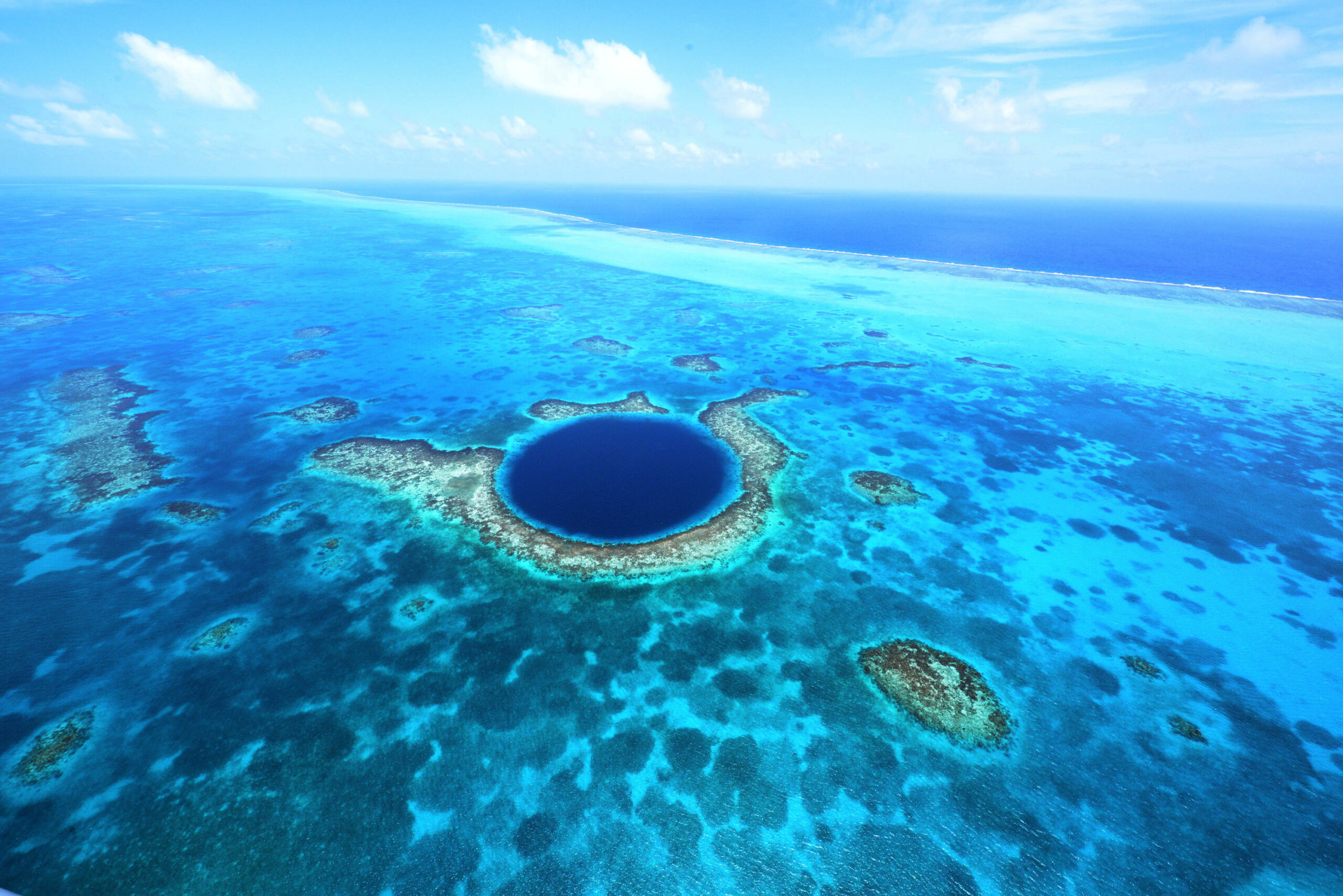
The beauty of scuba diving is that you can do it almost anywhere there’s water deep enough to swim in. Tropical destinations are the most popular places for diving because the water is warm and clear, making it easy to see the colorful marine life. Places like the Caribbean islands, Thailand, Indonesia, and the Maldives attract millions of divers every year who want to see coral reefs, tropical fish, and other amazing sea creatures.
But you don’t have to travel to exotic locations to enjoy diving. Many countries have excellent diving in their local waters. The Mediterranean Sea offers great diving with interesting rock formations, octopuses, and even ancient archaeological sites. The Red Sea is famous for its incredibly clear water and abundant marine life. Australia’s Great Barrier Reef is probably the most famous diving destination in the world, stretching over 2,300 kilometers and home to thousands of species of fish and coral.
Cold water diving has its own special appeal. Places like Norway, Scotland, and the Pacific Northwest of North America offer diving experiences where you might see giant octopuses, colorful sea anemones, and kelp forests that look like underwater jungles. The visibility in cold water is often amazing, and the marine life can be different from anything you’d see in tropical waters.
Freshwater diving in lakes and rivers gives divers a completely different experience. Some lakes have interesting geological formations, while others might have sunken boats or even whole villages that were flooded when dams were built. Cenotes in Mexico are freshwater-filled caves that offer some of the clearest water you can dive in anywhere in the world.
Safety Tips Every Diver Should Follow
Safety is the most important part of scuba diving. The golden rule of diving is to never dive alone. Having a buddy with you means someone is there to help if something goes wrong, and you can help them too. Before every dive, you and your buddy should check each other’s equipment and review your dive plan together.
Planning your dive carefully is essential. You need to know how deep you’re going, how long you’ll stay down, and what you’ll do if conditions change or something unexpected happens. Most divers use dive computers that track their depth and time underwater, calculating how long they can safely stay at each depth. Following these limits helps prevent decompression sickness, a serious condition that can happen if you come up to the surface too quickly after a deep dive.
Never hold your breath while scuba diving. This might sound strange because we normally hold our breath when we go underwater, but with scuba diving, you must breathe continuously. If you hold your breath while coming up toward the surface, the air in your lungs expands as the pressure decreases, which can seriously injure your lungs. Keep breathing normally at all times, and if you’re ascending, breathe out continuously.
Ascending slowly is another critical safety rule. You should come up no faster than 9 meters or 30 feet per minute, which is about the speed of your smallest bubbles rising. Many divers do a safety stop at 5 meters or 15 feet for three to five minutes before surfacing, even if their computer says it’s not required. This extra stop gives your body more time to get rid of excess nitrogen and reduces your risk of decompression sickness.
Stay within your training limits. If you’re certified for recreational diving to 18 meters, don’t go to 30 meters just because someone else is doing it. Each certification level teaches you new skills and safety procedures for the added depth or challenge. Pushing beyond your limits is one of the main causes of diving accidents.
The Amazing Marine Life You’ll Encounter
One of the best parts of scuba diving is meeting the incredible creatures that live underwater. Coral reefs are like underwater cities full of life. Thousands of colorful fish swim around the coral, which is actually made up of tiny animals called polyps. The coral and fish depend on each other, creating a balanced ecosystem that’s amazing to watch.
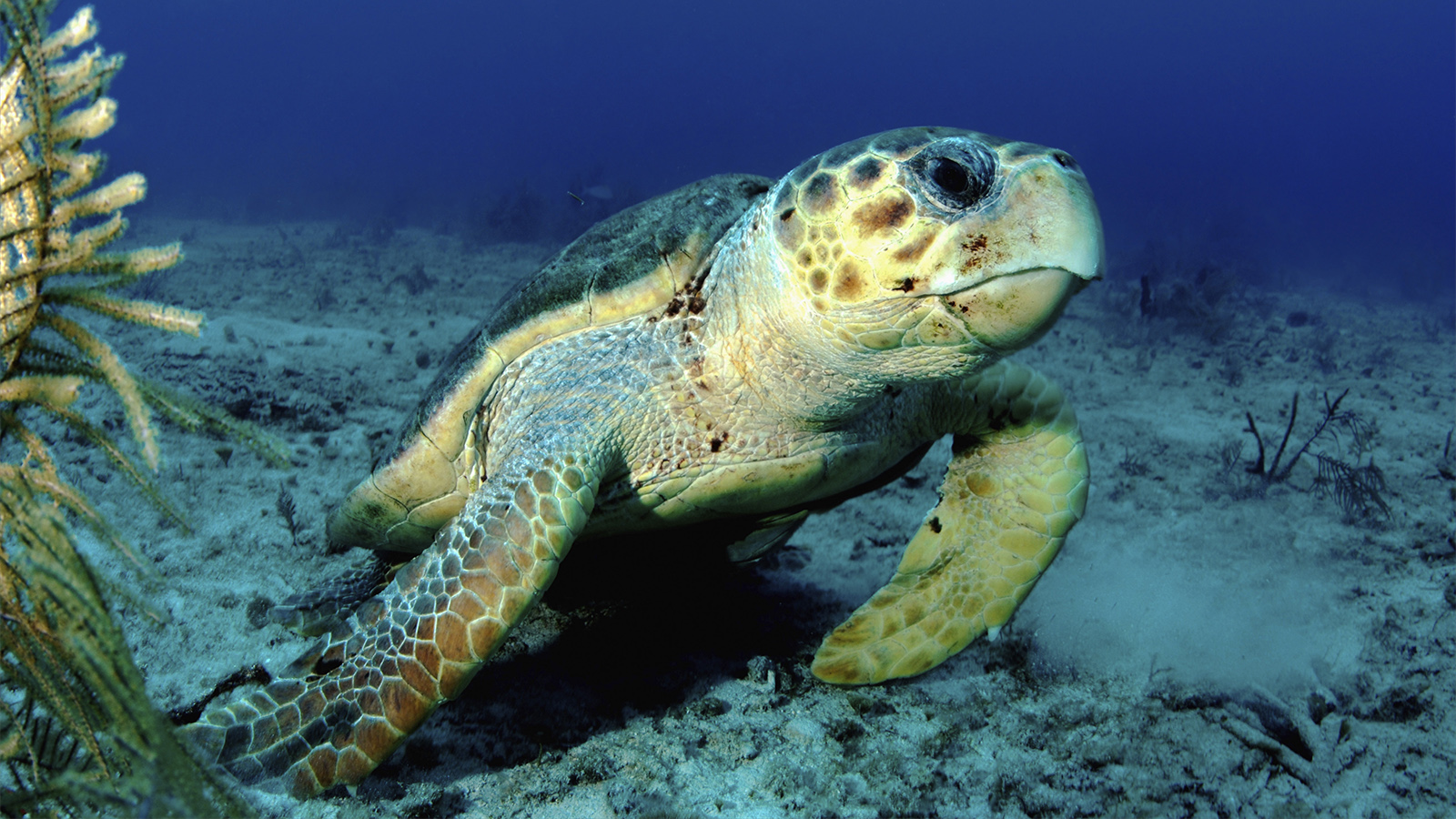
You might see sea turtles gliding gracefully through the water, their flippers moving like slow-motion wings. These gentle creatures have been swimming in our oceans for millions of years. Some lucky divers get to swim with dolphins, manta rays, or even whale sharks, which are the biggest fish in the ocean but only eat tiny plankton and are completely harmless to humans.
The smaller creatures are just as fascinating as the big ones. Seahorses hide among coral and seagrass, clinging on with their curly tails. Tiny cleaner shrimp set up stations where bigger fish come to have parasites removed. Octopuses can change their color and shape to blend in perfectly with rocks and coral, making them almost impossible to spot until they move.
Different locations have their own special marine life. In tropical waters, you’ll see parrotfish, angelfish, and groupers. In colder waters, you might encounter sea lions, seals, or even killer whales. Some areas are famous for specific animals, like hammerhead sharks in the Galapagos Islands or great white sharks in South Africa.
Environmental Responsibility for Divers
Scuba divers have a special responsibility to protect the underwater world. The ocean faces many threats from pollution, climate change, and overfishing. As divers, we get to see these problems firsthand, but we can also be part of the solution.
Never touch or disturb marine life while diving. Coral looks like rock, but it’s actually alive and very delicate. A single touch can damage coral that took decades to grow. Many areas have rules about staying a certain distance away from animals like sea turtles or dolphins to avoid stressing them.
Good buoyancy control helps protect the environment. When divers have poor buoyancy, they might accidentally kick coral with their fins or stir up sediment from the bottom, which can harm the marine ecosystem. Practicing your buoyancy skills makes you a better diver and helps preserve the underwater world for future generations.
Many divers participate in underwater clean-ups, removing trash and fishing nets that endanger marine life. Some diving organizations run programs where divers can help scientists collect data about coral health, fish populations, or water quality. These citizen science projects use the eyes and hands of recreational divers to monitor ocean health over large areas.
Start Your Diving Adventure Today
Scuba diving and diving in general offer experiences unlike anything else you can do on our planet. The feeling of weightlessness, the beauty of coral reefs, and the thrill of swimming alongside wild ocean creatures create memories that last a lifetime. Whether you’re interested in exploring shallow reefs full of colorful fish or you dream of technical dives into deep wrecks, there’s a type of diving perfect for you.
Getting started is easier than you might think. Find a reputable dive shop or resort in your area that offers beginner courses. Many places let you try a discovery dive in a pool before you commit to a full certification course, so you can see if you like diving before investing time and money in training.
The underwater world is calling, and it’s more accessible than ever before. Modern equipment is safer and more comfortable than older gear, training standards are higher, and there are more diving destinations available to visitors than at any time in history. Don’t let fear or uncertainty hold you back from one of the most rewarding adventures you can have.
Ready to take the plunge? Visit Scooba Dive Guide for more information about diving equipment, training locations, and everything else you need to begin your underwater journey. The ocean is waiting for you to explore its wonders.
Frequently Asked Questions About Scuba Diving
How deep can you go when scuba diving?
Recreational scuba divers can safely dive to depths of about 40 meters or 130 feet with proper training. Beginners usually start with shallower dives around 12 to 18 meters. Technical divers with advanced training and special equipment can go much deeper, sometimes exceeding 100 meters, but this requires years of experience and specialized certification.
Is scuba diving dangerous?
Scuba diving is very safe when you follow proper training and safety procedures. Serious accidents are rare and usually happen when divers ignore safety rules or dive beyond their skill level. The most important things are getting proper training, maintaining your equipment, diving with a buddy, and staying within your certification limits.
How long does a scuba tank last underwater?
The length of time a tank lasts depends on several factors including the tank size, how deep you’re diving, and how fast you breathe. In shallow water around 10 meters deep, a standard tank might last 60 to 90 minutes. At deeper depths, the same tank might only last 30 to 40 minutes because you use air faster under higher pressure. Relaxed divers who breathe slowly can make their air last longer.
Can anyone learn to scuba dive?
Most people can learn to scuba dive as long as they’re reasonably healthy and comfortable in the water. You don’t need to be super athletic or a strong swimmer, though basic swimming ability helps. Before starting training, you’ll fill out a medical questionnaire, and some conditions might require a doctor’s approval. Age requirements vary, but many organizations certify children as young as 10 years old with parental permission.
How much does it cost to start scuba diving?
The cost of getting certified varies by location but usually ranges from $300 to $600 for an Open Water course. This typically includes instruction, equipment rental during training, and certification materials. If you want to buy your own equipment, expect to spend $1,000 to $2,500 for a complete set of quality gear. After certification, individual dive trips can cost anywhere from $50 to $200 depending on the location and what’s included.
What should I do if I see a shark while diving?
Most sharks are not dangerous to divers and will swim away when they notice you. If you encounter a shark, stay calm and keep facing it while slowly backing away. Don’t splash or make sudden movements. Most diving locations where sharks are common have species that are used to seeing divers and show little interest in people. Shark attacks on scuba divers are extremely rare.