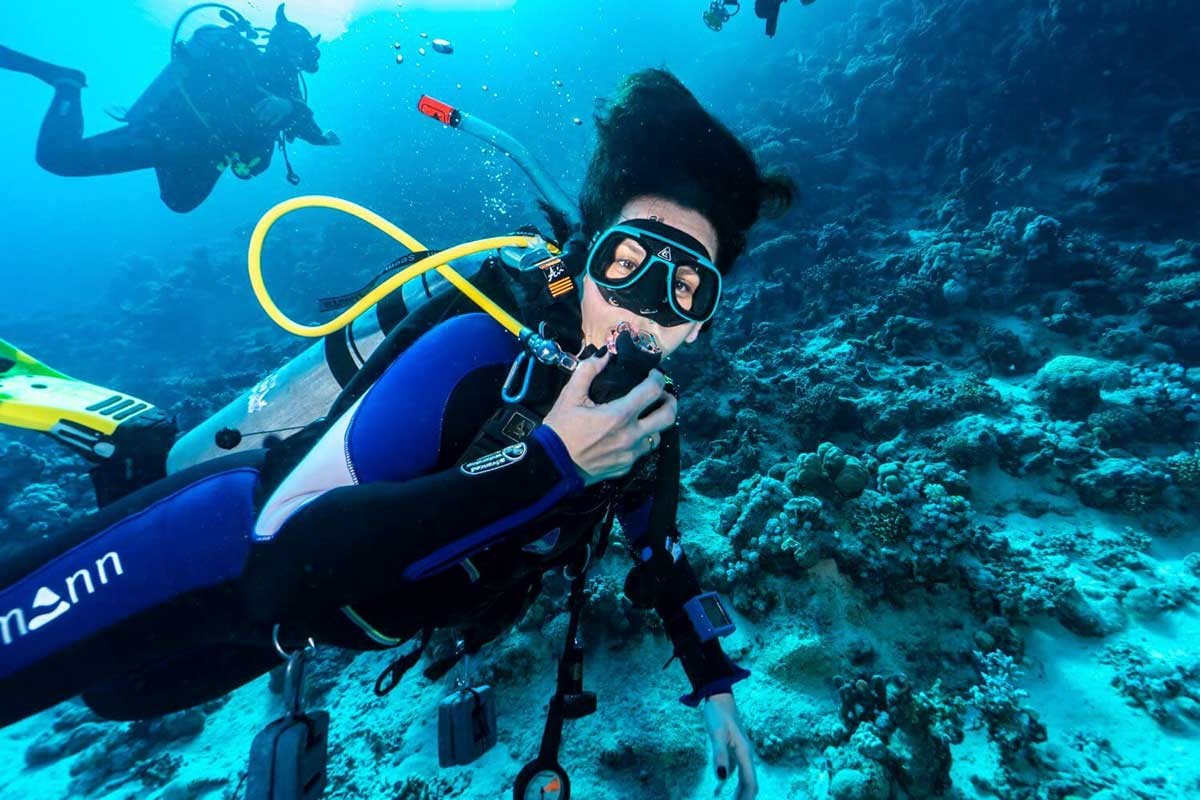
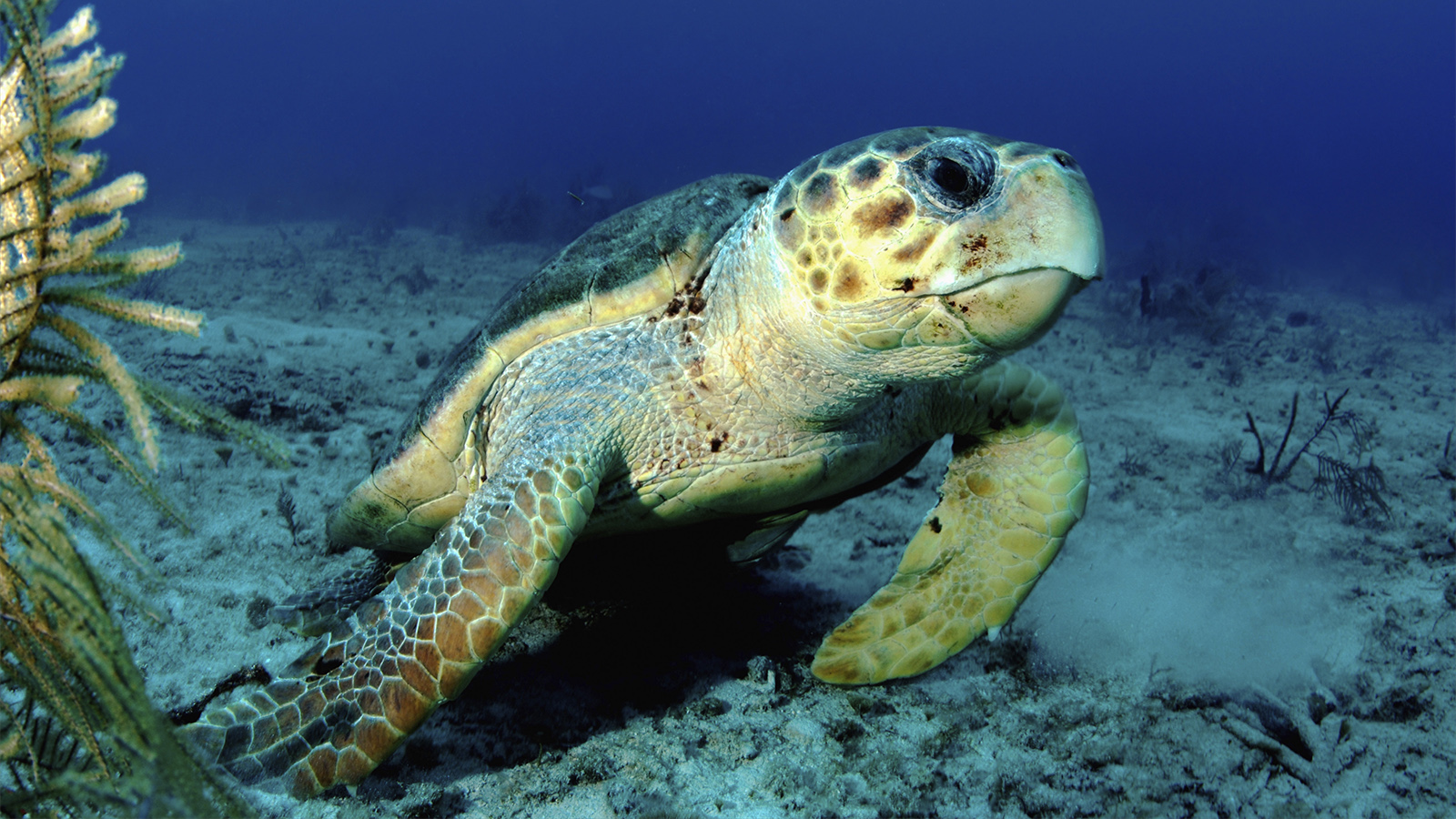
Scuba diving is often described as one of the most peaceful and exciting adventures in the world. Floating underwater, exploring coral reefs, and experiencing marine life up close is something many people dream of. But for beginners, one common question always comes up:
- Is Scuba Diving Safe for Beginners?
- Real Risks of Scuba Diving (Explained Honestly)
- Why Proper Training Is So Important
- Scuba Diving Injury Statistics (Beginner-Friendly View)
- Is Scuba Diving Safe for Non-Swimmers?
- Beginner Safety Checklist (Very Important)
- Is Scuba Diving Safer Than Skydiving?
- Who Should Avoid Scuba Diving?
- Final Verdict: Is Scuba Diving Safe for Beginners?
- Frequently Asked Questions (FAQ)
Is scuba diving safe for beginners?
The short answer is yes — when done correctly. However, like any adventure activity, scuba diving comes with risks that beginners should clearly understand before getting into the water.
In this detailed guide, we’ll break down the real risks, the importance of training, injury statistics, and a practical safety checklist so you can decide confidently whether scuba diving is right for you.
Is Scuba Diving Safe for Beginners?
Scuba diving is considered a low-risk recreational activity when proper training and safety guidelines are followed. Millions of people dive every year worldwide, and the majority of beginners complete their first dive without any serious issues.
However, safety depends on four major factors:
- Proper training and certification
- Following diving limits
- Using well-maintained equipment
- Understanding your physical condition
Most scuba accidents occur not because of the sport itself, but due to poor preparation, panic, or ignoring safety rules.
Real Risks of Scuba Diving (Explained Honestly)
While scuba diving is generally safe, beginners should be aware of real risks so they can avoid them properly.
1. Ear and Sinus Injuries
This is the most common issue for new divers.
- Caused by pressure changes
- Happens when divers descend too quickly
- Usually mild and preventable
Prevention: Equalize pressure slowly and never dive with a cold or sinus infection.
2. Decompression Sickness (Very Rare for Beginners)
Also called “the bends,” this occurs when nitrogen bubbles form in the body due to rapid ascent.
- Extremely rare for beginner-level dives
- Mostly affects deep or technical divers
- Prevented by slow ascent and safety stops
Beginner training focuses heavily on avoiding this risk.
3. Panic or Anxiety Underwater
Panic is one of the biggest causes of beginner incidents.
Common triggers:
- Breathing discomfort
- Mask flooding
- Fear of deep water
Proper training and calm breathing almost completely eliminate this risk.
4. Equipment Issues
Equipment failure is rare but possible.
Most issues occur due to:
- Poor maintenance
- Incorrect setup
- Rental gear not checked properly
This is why beginner dives are always supervised by certified instructors.
Why Proper Training Is So Important
Training is the biggest safety factor in scuba diving.
A certified beginner course teaches:
- Breathing techniques
- Equalization methods
- Emergency procedures
- Buoyancy control
- Hand signals and communication
Certified agencies follow strict international safety standards. You can learn more about recognized safety protocols through organizations like Divers Alert Network (DAN), which is one of the world’s leading authorities on dive safety and emergency response.
Without proper training, scuba diving should never be attempted.
Scuba Diving Injury Statistics (Beginner-Friendly View)
According to global diving safety reports:
- Serious scuba injuries occur in less than 0.01% of dives
- Fatal accidents are extremely rare
- Most accidents involve:
- Poor training
- Ignoring depth limits
- Health-related issues
- Panic underwater
For beginners diving within limits and with instructors, scuba diving is statistically safer than many land-based adventure sports.
Is Scuba Diving Safe for Non-Swimmers?
Yes — to a certain extent.
Many beginner programs allow non-swimmers, but:
- You must be comfortable in water
- Basic floating and breathing control is required
- You’ll always dive with an instructor
However, learning basic swimming skills greatly improves safety and confidence.
Beginner Safety Checklist (Very Important)
Before your first dive, always confirm the following:
✔ Certified instructor present
✔ Properly fitted equipment
✔ Clear dive briefing
✔ Health form completed honestly
✔ No alcohol before diving
✔ Adequate hydration
✔ Calm mental state
✔ No forced depth or time limits
If any of these are missing — do not dive.
Is Scuba Diving Safer Than Skydiving?
Yes. Statistically speaking:
- Scuba diving has lower fatality rates
- Diving accidents are usually non-fatal
- Risks are more controllable underwater
If you want a deeper comparison of adventure safety levels, this detailed breakdown on scuba diving safety and risks explains it clearly.
Who Should Avoid Scuba Diving?
You should avoid diving or consult a doctor if you have:
- Heart conditions
- Severe asthma
- Recent surgeries
- Lung problems
- Uncontrolled anxiety
Always complete the medical questionnaire honestly before diving.
Final Verdict: Is Scuba Diving Safe for Beginners?
✅ Yes, scuba diving is safe for beginners
✅ Training dramatically reduces risk
✅ Injuries are rare and mostly minor
✅ Proper supervision makes it very safe
✅ Millions of beginners dive safely every year
If you follow the rules, stay calm, and dive with certified professionals, scuba diving is one of the safest adventure sports you can try.
Frequently Asked Questions (FAQ)
Is scuba diving dangerous for first-timers?
No. When done with proper training and supervision, scuba diving is very safe for beginners.
Can beginners get injured while scuba diving?
Minor issues like ear discomfort can happen, but serious injuries are extremely rare when safety rules are followed.
How deep do beginners dive?
Most beginner dives are limited to 40 feet (12 meters) or less.
Do I need to be a strong swimmer?
You don’t need to be an expert swimmer, but basic comfort in water is required.
Is scuba diving safer than skydiving?
Yes. Statistically, scuba diving has fewer fatal accidents than skydiving.