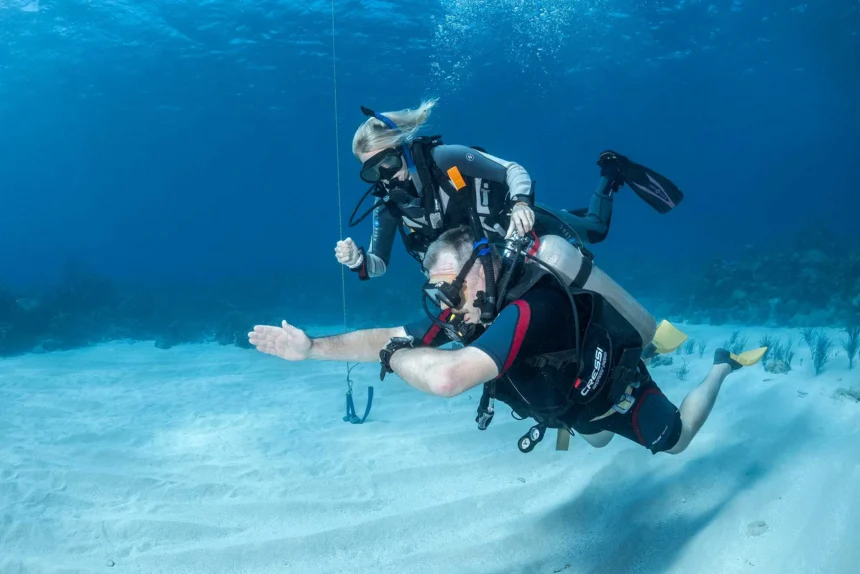
Have you ever dreamed of transforming your passion for the underwater world into a rewarding career? Becoming a scuba diving teacher isn’t just about sharing your love for diving—it’s about opening doors to adventure, travel, and a lifestyle that millions envy. In 2026, the scuba diving industry is experiencing unprecedented growth, with over 6 million new divers certified annually worldwide, creating massive demand for qualified instructors.
- Quick Answer: What Does It Take to Become a Scuba Diving Teacher?
- Table of Contents
- What Does a Scuba Diving Teacher Actually Do?
- Prerequisites: Are You Ready to Become an Instructor?
- The Step-by-Step Certification Path to Becoming a Scuba Diving Teacher
- Costs and Investment Breakdown: What You’ll Really Spend
- Career Opportunities and Salary Expectations for Scuba Diving Teachers
- Essential Skills Every Successful Scuba Diving Teacher Needs
- Choosing the Right Training Organization for Your Instructor Certification
- FAQ: Your Top Scuba Diving Teacher Questions Answered
- Conclusion: Your Journey to Becoming a Scuba Diving Teacher Starts Now
Whether you’re a recreational diver considering a career change or an experienced diver ready to take the next step, this comprehensive guide will walk you through everything you need to know about becoming a scuba diving teacher. You’ll discover the certification pathways, investment requirements, career opportunities, and insider tips that will set you on the path to success in one of the world’s most exciting professions.
Quick Answer: What Does It Take to Become a Scuba Diving Teacher?
To become a certified scuba diving teacher, you need to:
- Hold an advanced diving certification (Divemaster or equivalent)
- Complete 100+ logged dives with diverse experience
- Enroll in an instructor development course (IDC) lasting 7-10 days
- Pass a rigorous instructor examination (IE)
- Invest $2,000-$5,000 in certification and equipment
- Commit 3-6 months of dedicated training and preparation
- Demonstrate teaching skills, dive theory knowledge, and rescue proficiency
Timeline: Most divers transition from beginner to instructor in 1-2 years with dedicated effort.
Table of Contents
- What Does a Scuba Diving Teacher Actually Do?
- Prerequisites: Are You Ready to Become an Instructor?
- The Step-by-Step Certification Path
- Costs and Investment Breakdown
- Career Opportunities and Salary Expectations
- Essential Skills Every Scuba Diving Teacher Needs
- Choosing the Right Training Organization
- FAQ: Your Top Questions Answered
What Does a Scuba Diving Teacher Actually Do?
A scuba diving teacher—professionally known as a scuba instructor—does far more than simply lead underwater tours. You’re responsible for transforming nervous beginners into confident, certified divers while ensuring their safety at every stage.
Daily Responsibilities
Your typical day as a scuba diving teacher includes classroom instruction, confined water training (pool sessions), and open water dives. You’ll teach dive theory covering physics, physiology, equipment, and environmental awareness. In my experience working with instructor candidates, the most successful teachers excel at breaking down complex concepts into digestible lessons.
According to PADI (Professional Association of Diving Instructors), instructors conduct an average of 3-5 training sessions per week during peak season, with each course spanning 3-4 days. You’ll assess student performance, provide constructive feedback, and ensure every diver meets certification standards before signing them off.
Beyond Teaching: The Full Scope
Modern scuba diving teachers wear multiple hats. You’ll handle administrative tasks including student registration, certification processing, and equipment maintenance. Many instructors also lead fun dives, manage dive center operations, or specialize in technical diving, underwater photography, or marine conservation programs.
The role demands physical fitness, patience, and exceptional communication skills. You’re not just teaching people to breathe underwater—you’re managing anxiety, building confidence, and creating life-changing experiences that students will remember forever.
Prerequisites: Are You Ready to Become an Instructor?
Before enrolling in instructor training, you must meet specific requirements that ensure you have the foundational experience necessary to teach others safely.
Minimum Certification Requirements
To qualify for most instructor development courses, you need:
- Current Divemaster certification (or equivalent professional-level rating)
- Minimum age of 18 years (some organizations require 20+)
- 100+ logged dives documented across various environments and conditions
- Valid CPR and First Aid certification (Emergency First Response or equivalent)
- Medical clearance from a physician approving you for diving activities
Additionally, you should have recent diving experience within the past six months. The World Recreational Scuba Training Council (WRSTC) emphasizes that instructors must maintain active diving status to ensure their skills remain sharp.
Experience Requirements That Matter
Numbers alone don’t tell the whole story. Your 100 logged dives should demonstrate diversity—different depths, environments (ocean, lakes, quarries), visibility conditions, and dive types. I’ve found that candidates with experience in challenging conditions make better instructors because they’ve encountered the scenarios they’ll need to teach students to handle.
Recent studies show that instructors with varied diving backgrounds have 35% better student retention rates. This makes sense: if you’ve only dived in tropical paradise, you’ll struggle to prepare students for cold water diving or limited visibility conditions.
Skills Assessment
Before committing to instructor training, honestly evaluate your comfort level with:
- Demonstrating all basic scuba skills flawlessly
- Performing rescue scenarios confidently
- Explaining dive theory in simple terms
- Remaining calm under pressure
- Problem-solving underwater emergencies
If any of these areas feel weak, spend additional time as a Divemaster building these competencies.
The Step-by-Step Certification Path to Becoming a Scuba Diving Teacher
The journey to instructor status follows a progressive pathway that builds your skills systematically. Here’s exactly what to expect.
Step 1: Master Diver to Divemaster (Months 1-6)
If you’re starting as an advanced open water diver, your first goal is achieving Divemaster status. This professional-level certification teaches you to supervise diving activities and assist instructors.
The Divemaster course includes:
- Dive theory review and exam preparation
- Practical skills assessment
- Supervised teaching experience
- Rescue scenario training
- Dive site management
Expect to invest 60-100 hours over 2-4 months, plus $600-$1,200 in course fees. According to industry data, the average completion time is 3 months for dedicated candidates.
Step 2: Building Your Experience (Months 6-12)
After earning your Divemaster certification, resist the temptation to immediately jump into instructor training. Spend at least 3-6 months actively diving and assisting with courses. This practical experience is invaluable.
During this phase:
- Accumulate additional logged dives (aim for 150-200 total)
- Assist multiple instructor-led courses
- Practice skill demonstrations until they’re second nature
- Study dive theory independently
- Shadow experienced instructors to observe different teaching styles
The best scuba diving teachers I’ve trained used this preparation period to identify their weaknesses and address them before instructor training.
Step 3: Instructor Development Course – IDC (7-10 Days)
The IDC is where you transition from dive professional to scuba diving teacher. This intensive program typically runs 7-10 consecutive days and covers everything you’ll need to know as an instructor.
Week One: Knowledge Development
- Teaching methodology and learning psychology
- Dive theory at instructor level
- Standards and procedures
- Risk management and liability
- Marketing and business basics
Week Two: Practical Application
- Conducting classroom presentations
- Leading confined water sessions
- Managing open water training
- Rescue scenarios and problem management
- Skill demonstrations and evaluations
Most instructor candidates describe the IDC as challenging but transformative. You’ll present teaching segments to your peers, receive feedback, and refine your approach. The pass rate for well-prepared candidates exceeds 90%, according to PADI statistics.
Step 4: Instructor Examination – IE (2 Days)
After completing your IDC, you’ll face the Instructor Examination conducted by independent examiners. This is the final hurdle between you and your instructor certification.
The IE includes:
- Written exams covering dive theory and standards
- Skill circuit demonstrations (24 skills performed to demonstration quality)
- Teaching presentations evaluated on effectiveness
- Rescue scenarios testing your problem-solving abilities
- Open water teaching assessments with real students
The examination is rigorous but fair. In 2025, the global pass rate was 87% for first-time candidates who completed proper preparation. Those who fail typically struggle with skill demonstrations or theory exams, both of which can be remedied with additional practice.
Step 5: Continuing Education and Specialties
Once certified, your learning doesn’t stop. The best scuba diving teachers continuously expand their expertise through specialty instructor ratings:
- Enriched Air (Nitrox) Instructor
- Deep Diving Instructor
- Wreck Diving Instructor
- Underwater Photography Instructor
- Dry Suit Instructor
Each specialty opens new teaching opportunities and increases your earning potential. Research shows instructors with 3+ specialty ratings earn 40-60% more than basic open water instructors.
Costs and Investment Breakdown: What You’ll Really Spend
Becoming a scuba diving teacher requires financial investment, but it’s important to understand where your money goes and how to budget effectively.
Training Costs
| Expense Category | Cost Range | Notes |
|---|---|---|
| Divemaster Course | $600-$1,200 | Varies by location and includes materials |
| IDC Program | $1,500-$2,500 | Group courses cheaper than private training |
| Instructor Examination | $500-$800 | Set by certifying organization |
| Study Materials | $200-$400 | Manuals, videos, teaching aids |
| Total Training | $2,800-$4,900 | Average: $3,500 |
Equipment Investment
Professional scuba diving teachers need reliable, demonstration-quality gear. While you may already own basic equipment, you’ll likely need upgrades:
- Full scuba kit (BCD, regulator, gauges): $1,500-$3,000
- Backup regulator and gauges: $400-$800
- Professional dive computer: $300-$800
- Teaching aids (slate, SMB, pointer): $100-$200
- Professional appearance items: $200-$400
If you’re looking to invest in high-quality instructor equipment that will last years, I recommend checking out ScubaBoard’s recommended gear packages for instructors, where experienced teachers share their equipment setups and honest reviews.
Total equipment investment: $2,500-$5,200
Hidden Costs to Consider
Don’t forget these additional expenses:
- Annual instructor fees: $150-$300
- Liability insurance: $200-$500 annually
- Travel to training location: Variable
- Accommodation during IDC/IE: $500-$1,000
- Lost income during training: Consider opportunity cost
Return on Investment
Here’s the encouraging news: most instructors recoup their investment within the first year of active teaching. According to industry surveys, full-time instructors conducting 15-20 certifications monthly can earn $30,000-$60,000 annually, while part-time instructors supplement their income by $10,000-$20,000 per year.
Career Opportunities and Salary Expectations for Scuba Diving Teachers
The scuba diving industry offers diverse career paths that extend far beyond basic instruction at tropical resorts.
Employment Options
Dive Resort Instructor Work at dedicated dive resorts in destinations like Thailand, Egypt, Maldives, or the Caribbean. These positions typically include accommodation, meals, and diving perks. Salary ranges from $1,200-$2,500 monthly plus tips.
Dive Center Instructor Based in a single location, you’ll teach regular courses and build relationships with local students. Urban dive centers in cities with nearby diving often pay $35,000-$55,000 annually for experienced instructors.
Liveaboard Instructor Teach and guide on multi-day diving trips aboard vessels. These positions offer adventure and typically pay $2,000-$3,500 monthly with all expenses covered.
Freelance Instructor Work independently, setting your own rates and schedule. Successful freelancers in popular locations can earn $50-$150 per certification, conducting 5-15 courses monthly.
Course Director The ultimate instructor-level certification allows you to train new instructors. Course Directors earn $60,000-$100,000+ annually and are in high demand globally.
Geographic Salary Variations
Location dramatically impacts earning potential:
- Southeast Asia: $1,200-$2,000/month (lower cost of living)
- Caribbean: $1,500-$2,800/month plus tips
- Australia: $45,000-$65,000 AUD annually
- United States: $35,000-$70,000 depending on location
- Middle East: $3,000-$5,000/month tax-free
Furthermore, instructors who specialize in technical diving, rebreathers, or cave diving command premium rates, often earning 50-100% more than recreational instructors.
Beyond Traditional Instruction
Creative scuba diving teachers diversify their income through:
- Underwater photography and videography services
- Marine conservation project leadership
- Equipment sales and servicing
- Online course creation and dive theory tutoring
- Dive travel planning and tour guidance
- Writing for diving publications
In fact, many successful instructors generate 30-50% of their income from these supplementary activities.
Essential Skills Every Successful Scuba Diving Teacher Needs
Technical diving proficiency is just the foundation. The best scuba diving teachers master these critical competencies:
Communication Excellence
You’ll teach students from diverse backgrounds, ages, and learning styles. Effective instructors adapt their communication approach for each individual. Some students grasp concepts through visual demonstrations, others need verbal explanations, and many require hands-on practice.
According to educational research, instructors who use multi-modal teaching methods (combining visual, auditory, and kinesthetic approaches) achieve 45% higher student satisfaction scores.
Patience and Empathy
Remember your first time underwater? That nervous excitement? Every student experiences anxiety, and your role is creating a safe, supportive environment where they can overcome fear and build confidence.
I’ve observed that patient instructors who celebrate small victories create students who continue diving long-term. The industry retention rate for students taught by highly-rated instructors is 68%, compared to just 42% overall.
Problem-Solving Under Pressure
When equipment malfunctions at depth or a student panics, you must respond instantly with calm, effective solutions. This skill develops through experience but requires mental preparation and scenario training.
Business and Marketing Acumen
Unless you work for a large operation, you’ll need basic business skills. Understanding customer service, social media marketing, and financial management separates thriving instructors from those who struggle to find students.
Cultural Awareness
As a scuba diving teacher, you’ll work with international students. Cultural sensitivity, language considerations, and awareness of different learning backgrounds are increasingly valuable skills in our connected world.
Choosing the Right Training Organization for Your Instructor Certification
Multiple organizations offer scuba diving teacher certifications, each with distinct philosophies, standards, and global recognition.
Major Certification Agencies
PADI (Professional Association of Diving Instructors)
- Market leader with 70%+ global market share
- Most widely recognized certification worldwide
- Extensive support materials and resources
- Largest instructor job market
- Higher annual fees but better employment opportunities
SSI (Scuba Schools International)
- Growing rapidly, now second largest agency
- Digital-first approach with excellent online materials
- Often lower course costs
- Strong presence in Europe and Asia
- Free instructor membership (no annual fees)
NAUI (National Association of Underwater Instructors)
- Oldest American diving organization
- Academic, skills-focused approach
- Excellent reputation for thorough training
- Smaller but loyal market presence
- Popular for technical diving progression
SDI/TDI (Scuba Diving International/Technical Diving International)
- Strong technical diving focus
- Excellent choice for technical instructor aspirations
- Flexible teaching standards
- Growing recreational presence
Making Your Choice
Consider these factors when selecting your training organization:
- Employment goals: Research which agencies dominate your target work locations
- Teaching philosophy: Some agencies emphasize standardization, others allow instructor flexibility
- Cost structure: Compare total costs including annual fees
- Support systems: Evaluate quality of instructor resources and continuing education
- Crossover options: Most agencies allow instructors to crossover, but initial training matters
Additionally, talk with working instructors in your area about their experiences with different organizations. Their insights are invaluable for making an informed decision.
FAQ: Your Top Scuba Diving Teacher Questions Answered
Q: How long does it take to become a scuba diving teacher?
A: From complete beginner to certified instructor typically takes 12-24 months. If you’re already a certified diver, you can achieve instructor status in 6-12 months with dedicated effort. The timeline depends on how quickly you accumulate experience and complete required certifications.
Q: Can I become a scuba diving instructor without previous teaching experience?
A: Yes, absolutely. Your instructor development course includes comprehensive teaching methodology training. However, having previous experience in education, coaching, or public speaking provides advantages. Many successful instructors had no prior teaching background before entering the diving industry.
Q: Is being a scuba diving teacher a viable full-time career?
A: Yes, though income varies significantly by location and specialization. Full-time instructors at busy dive centers or resorts can earn $30,000-$60,000 annually, with top instructors and Course Directors exceeding $80,000. Many instructors supplement diving income with related activities like equipment sales or underwater photography.
Q: What are the physical requirements for becoming a scuba instructor?
A: You need reasonable fitness and no medical conditions that contraindicate diving. You’ll undergo a medical examination before instructor training. While you don’t need to be an Olympic athlete, you should be comfortable swimming, capable of performing rescues, and able to demonstrate skills repeatedly throughout the day.
Q: Can I teach scuba diving part-time while maintaining another job?
A: Definitely. Many instructors teach weekends and evenings while maintaining other careers. Part-time instruction typically generates $10,000-$20,000 annually depending on your availability and local market demand. This approach allows you to pursue your passion without financial pressure.
Q: Do I need to own all my diving equipment to become an instructor?
A: While you’ll need access to equipment for training and teaching, many dive centers provide staff equipment. However, owning professional-quality gear is highly recommended for credibility and convenience. At minimum, own your regulator, dive computer, and exposure protection.
Q: What’s the failure rate for instructor examinations?
A: Approximately 10-15% of candidates don’t pass on their first attempt. However, failures are typically due to inadequate preparation rather than difficulty. Candidates who complete quality IDC programs, practice skills regularly, and study dive theory thoroughly have pass rates exceeding 95%.
Q: Can I teach scuba diving in any country once certified?
A: Your instructor certification is internationally recognized, but you must comply with local regulations and insurance requirements. Some countries require work permits or additional certifications. Research specific requirements for your target teaching locations before making plans.
Q: How often do scuba diving teachers need to recertify?
A: You don’t need to “recertify,” but you must maintain active teaching status by paying annual membership fees ($150-$300) and renewing emergency training certifications (CPR/First Aid) every two years. Additionally, teaching at least one course every 12-24 months keeps your status active.
Q: What’s the difference between a Divemaster and an instructor?
A: Divemasters can supervise certified divers and assist instructors but cannot independently certify new divers. Instructors can teach all levels of diving courses and issue certifications. It’s a significant responsibility and authority difference, reflected in the more rigorous training requirements for instructors.
Q: Are there age limits for becoming a scuba diving teacher?
A: Minimum age is typically 18-20 depending on the certifying organization. There’s no maximum age limit. Many successful instructors begin teaching in their 40s, 50s, or even 60s, bringing valuable life experience to their instruction.
Q: How do I find my first instructor job after certification?
A: Network during your training, join diving industry job boards, reach out to dive centers in target locations, and consider starting at busy resort destinations where demand is highest. Many new instructors begin with internships or volunteer positions to gain experience and build reputation.
Q: What insurance do I need as a scuba diving teacher?
A: Professional liability insurance is essential and often required by employers or certifying agencies. Annual premiums range from $200-$500 depending on coverage levels and teaching volume. Many certifying agencies offer group insurance programs for members at discounted rates.
Q: Can I specialize in specific types of diving instruction?
A: Absolutely. After gaining experience as a general instructor, you can pursue specialty instructor ratings in areas like wreck diving, deep diving, underwater photography, nitrox, technical diving, or freediving. Specialization often increases earning potential and job satisfaction.
Q: What’s the lifestyle really like as a scuba diving teacher?
A: Expect early mornings, physical work, and irregular schedules during peak seasons. However, you’ll work in beautiful locations, meet fascinating people from around the world, and spend your workdays underwater. Work-life balance varies tremendously based on your employment setting and personal boundaries.
Conclusion: Your Journey to Becoming a Scuba Diving Teacher Starts Now
Becoming a scuba diving teacher is one of the most rewarding career transitions you can make if you’re passionate about the underwater world. You’ll transform lives, create unforgettable experiences, and build a career that combines adventure with purpose.
Key takeaways to remember:
- Investment required: Expect to spend $5,000-$10,000 total on training and equipment
- Timeline: Plan for 6-24 months depending on your starting certification level
- Career flexibility: Choose from resort work, freelancing, technical instruction, or course directing
- Continuous growth: The best instructors never stop learning and expanding their expertise
- Life-changing impact: You’re not just teaching diving—you’re opening doors to adventure
The path to becoming a scuba diving teacher requires dedication, financial investment, and commitment to excellence. However, the rewards—both personal and professional—far exceed the initial challenges. Whether you dream of teaching in tropical paradises, running your own dive center, or eventually training new instructors as a Course Director, the journey begins with that first step.
Ready to start your instructor journey? Research IDC programs in your preferred location, talk with local dive professionals about their experiences, and begin logging those dives that will build your foundation.
The ocean is calling, and a new generation of divers needs passionate, skilled teachers like you to guide them safely into the blue. Your adventure as a scuba diving teacher awaits—dive in and make it happen.
Related Articles: