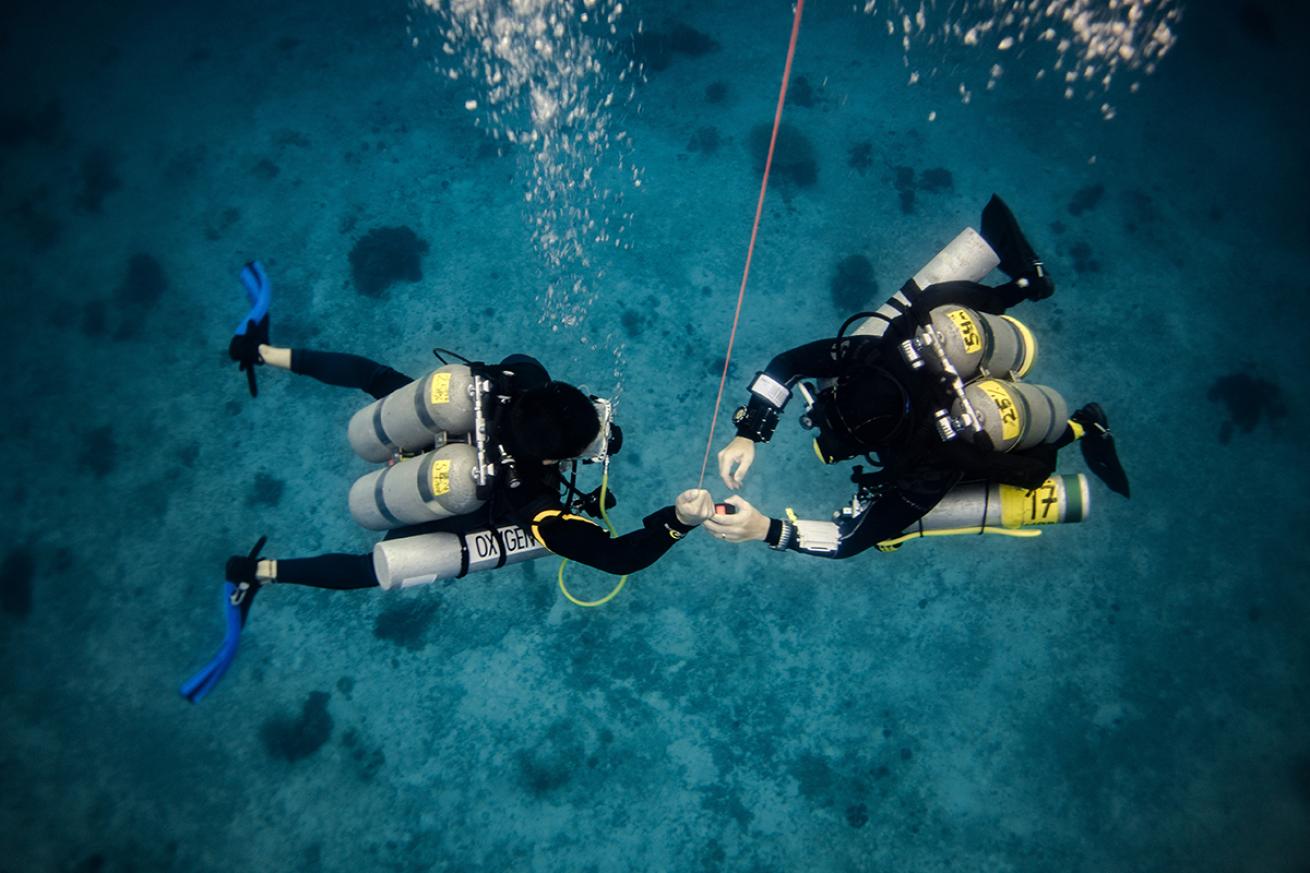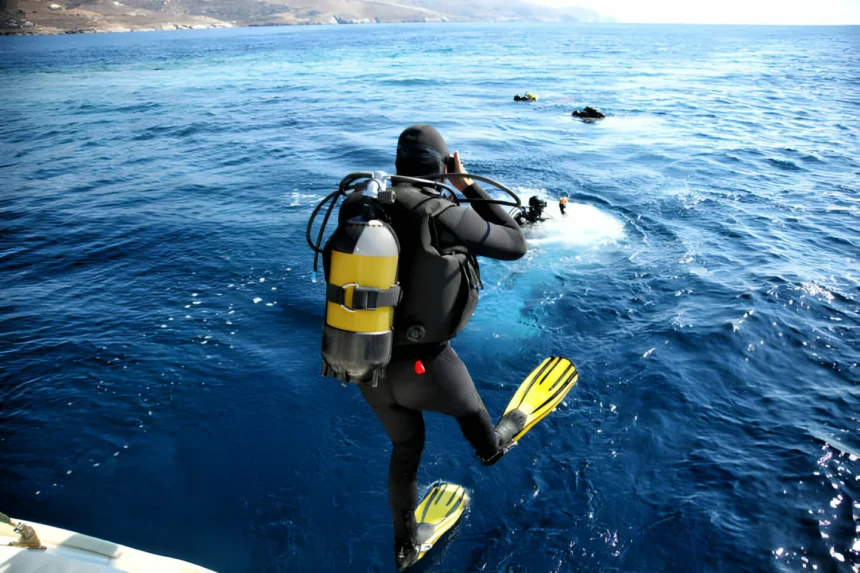
Before a diver can explore reefs, wrecks, or blue-water drop-offs, they must enter the water safely. This step may sound simple, but it involves specific skills called entry techniques.
- 🧾 What Are Scuba Diving Entry Techniques?
- 🛶 Types of Scuba Diving Entry Techniques
- 📋 Comparison Sheet: Entry Techniques
- 🧰 Gear & Equipment Awareness
- 🏷️ Realistic Cost Overview (Scuba Entry Gear)
- 🧭 How to Choose the Right Entry Technique
- 🧑🤝🧑 Buddy System & Safety Awareness
- ❓ Frequently Asked Questions
- 🏁 Final Thoughts
In this beginner-friendly guide, you’ll learn what scuba diving entry techniques are, when they are used, how they differ, equipment awareness, and useful tips.
🧾 What Are Scuba Diving Entry Techniques?
Scuba diving entry techniques are controlled ways of entering the water with full scuba gear while protecting:
- your body
- your equipment
- other divers
- marine environment
Different entry techniques are used depending on:
✔ boat size
✔ dive site structure
✔ water height
✔ shore type
✔ diver comfort
✔ safety conditions
🛶 Types of Scuba Diving Entry Techniques
Here are the most common beginner-to-intermediate scuba entries:
1. Giant Stride Entry
Used From:
Dive boats, platforms, docks, seawalls.
How It Works:
- Fully gear up
- Check mask & regulator
- Hold mask & regulator with one hand
- Take large step forward
- Let buoyancy bring you back up
Best For:
Stable forward-facing water entries.
2. Back Roll Entry
Used From:
Small boats, RIBs, inflatables.
How It Works:
- Sit on edge of boat
- Hold mask & regulator
- Tuck chin
- Roll backward into water
Best For:
Small & unstable boats (avoids tipping).
3. Shore Entry
Used At:
Beaches, rocky shores, calm lagoons.
How It Works:
Divers walk into water with fins in hand until depth allows donning fins.
Best For:
Beginner-friendly coastal diving.
4. Seated Entry
Used Where:
Shore rocks, platforms, low docks.
How It Works:
Divers sit at water edge → rotate body into water.
5. Ladder Entry (Platform Re-entry)
Used for climbing into/out of boats using:
- fins-off procedures
- hand grip positioning
- regulated breathing
📋 Comparison Sheet: Entry Techniques
| Technique | From | Difficulty | Boat Size | Notes |
|---|---|---|---|---|
| Giant Stride | Platform/Big Boats | Easy | Large Boats | Most common for beginners |
| Back Roll | RIBs / Small Boats | Moderate | Small Boats | Good for unstable boats |
| Shore Entry | Beaches/Rocks | Varies | N/A | No boat needed |
| Seated Entry | Platforms/Rocks | Easy | N/A | Good for calm water |
| Ladder Entry | Boats/Pontoons | Easy | All Boats | Used for exiting water |
🧰 Gear & Equipment Awareness
Entry techniques require awareness of:
- Mask placement
- Regulator in mouth
- BCD inflation
- Weights secure
- Fins management
- Buddy positioning
Scuba instructors emphasize gear awareness before water entry to avoid flooding masks, losing fins, or dropping weights.
🏷️ Realistic Cost Overview (Scuba Entry Gear)
Below are optional gear items supporting water entry:
| Item | Purpose | Cost (USD) |
|---|---|---|
| Fins | Efficient surface swimming | $40 – $200 |
| BCD | Buoyancy management | $350 – $1,000 |
| Weight Belt | Neutral buoyancy | $20 – $70 |
| Mask & Snorkel | Visibility + breathing | $40 – $150 |
| Booties | Shore entry protection | $25 – $90 |
Budget Tip:
Beginners often rent gear instead of buying — cost-effective for training.
If you enjoy action sports beyond scuba, adventure guides on
👉 SkydiveGuides.com offer helpful insights into skydiving for beginners.
🧭 How to Choose the Right Entry Technique
Based on environment:
✔ Small boat: Back Roll
✔ Large boat: Giant Stride
✔ Sandy shore: Shore Entry
✔ Rocky beach: Shore + Seated Entry
Environment shapes technique — not preference alone.
🧑🤝🧑 Buddy System & Safety Awareness
Divers use safety checks like:
- BWRAF (Beginner agencies teach this)
- Look around before stepping
- Control buoyancy
- Protect mask & regulator
Training agencies promote buddy-based safety, not solo assumptions.
If you’re learning entry techniques, you may also like:
👉 What is a safety stop in scuba diving?
❓ Frequently Asked Questions
Q1: What are scuba diving entry techniques?
They are controlled methods for entering the water safely with scuba gear.
Q2: Which entry technique is best for beginners?
Giant Stride is common on big boats; Shore Entry works well at beaches.
Q3: Why do divers use the back roll?
Back Roll prevents tipping small boats and protects divers from hitting gear.
Q4: Do you need special gear for water entry?
Basic scuba gear is enough; booties help with rocky shore entries.
Q5: Can you choose any entry technique?
Technique depends on boat type, shore conditions, and safety, not preference.
🏁 Final Thoughts
Scuba diving entry techniques may seem simple, but they reflect the diver’s:
- awareness
- training level
- environmental understanding
- teamwork skills
Whether you’re stepping off a big boat or rolling off a small RIB, the goal is always the same — enter the ocean safely with confidence.
Learning these techniques as a beginner sets the foundation for enjoyable dives in the future.
Divers benefit from slow breathing during entry — for mindfulness techniques,
👉 YogaSniff.com explains breathing awareness practices in yoga.