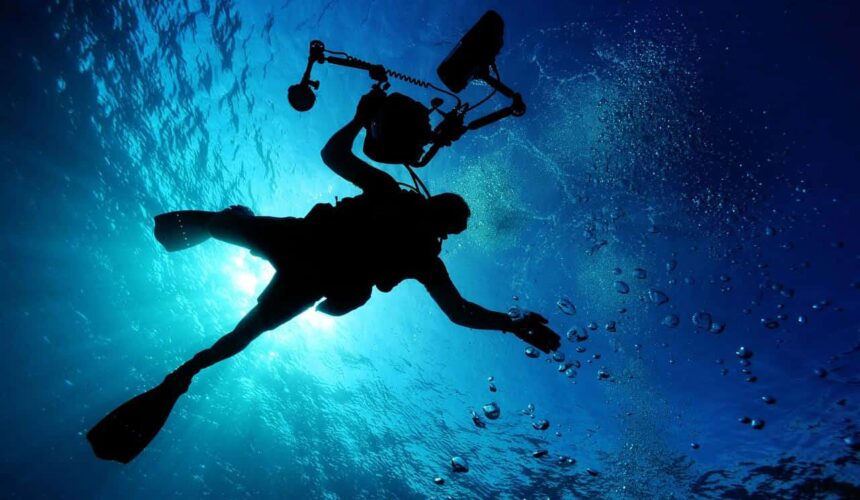
If you’ve ever watched divers ascending toward the surface, you might have noticed they pause underwater for a short time. That pause is called a safety stop — a simple but important part of modern recreational scuba diving.
- 🌊 What Exactly Is a Safety Stop?
- 🧠 Why Is a Safety Stop Important?
- 📏 How Deep Is a Safety Stop?
- 🧩 Is a Safety Stop the Same as a Decompression Stop?
- 🧰 What Gear Helps During a Safety Stop?
- 🧾 Cost Overview
- 🧭 When Should Divers Do a Safety Stop?
- ⚠️ Common Beginner Mistakes During Safety Stops
- 🧹 How to Improve Safety Stops (Skill List)
- 🧑🤝🧑 Buddy Safety Stops
- 🪁 Do Freedivers or Snorkelers Do Safety Stops?
- ❓ FAQ — Safety Stop
- 🏁 Final Thoughts
In this beginner-friendly guide, you’ll learn what a safety stop is, why it matters, how long it lasts, and how new divers can practice it confidently.
🌊 What Exactly Is a Safety Stop?
A safety stop is a controlled pause made during ascent, where divers stop at around 5 meters / 15 feet for approximately 3 minutes before surfacing.
It’s not mandatory in all situations, but it is highly recommended for recreational diving.
🧠 Why Is a Safety Stop Important?
A safety stop helps a diver:
- Ascend more gradually
- Allow dissolved gases to adjust naturally
- Maintain better control and buoyancy
- Add a margin of safety to the dive
Note: This is general scuba awareness, not medical or decompression advice.
📏 How Deep Is a Safety Stop?
Standard recreational diving uses:
📍 Depth: ~15 feet (5 meters)
⏱ Duration: ~3 minutes
Some divers use visual references such as:
- anchor lines
- ascent lines
- reef structures
- dive buoys
to maintain proper depth control.
🧩 Is a Safety Stop the Same as a Decompression Stop?
Many beginners confuse safety stops with decompression stops.
Here’s a simple comparison sheet for clarity:
| Feature | Safety Stop | Decompression Stop |
|---|---|---|
| Required? | Recommended | Mandatory if required |
| Depth | ~15 ft / 5 m | Varies by dive profile |
| Duration | ~3 minutes | Can be multiple minutes or levels |
| Purpose | Extra safety margin | Required off-gassing |
| For Beginners | Very common | Not typical for rec beginners |
So in short:
Every decompression stop is a stop, but not every stop is decompression.
🧰 What Gear Helps During a Safety Stop?
While no special gear is required, these items make safety stops easier:
- Surface Marker Buoy (SMB) → helps boat visibility
- Reel/Spool → to hold depth reference
- Dive Computer → monitors depth & ascent rate
- Depth Gauge → backup depth awareness
- BCD → buoyancy control
Beginners often find SMB + Dive Computer most helpful.
🧾 Cost Overview
A diver might choose to buy optional tools for better safety stop control:
| Item | Typical Cost (USD) |
|---|---|
| SMB (Surface Marker Buoy) | $20 – $60 |
| Finger Spool | $15 – $45 |
| Basic Dive Computer | $200 – $500 |
| BCD Rental (Per Day) | $15 – $35 |
| Dive Gauge | $50 – $120 |
Budget Tip:
New divers can rent these items during training instead of buying upfront.
🧭 When Should Divers Do a Safety Stop?
Recreational divers commonly perform a safety stop when:
✔ Diving deeper than ~30 feet (10 meters)
✔ After long bottom times
✔ When doing repetitive dives
✔ When diving with boats or currents
It’s considered good diving practice for most recreational profiles.
⚠️ Common Beginner Mistakes During Safety Stops
Here are the most frequent issues new divers face:
❌ Uncontrolled buoyancy (floating up or sinking)
❌ Rapid ascent before or after stop
❌ Poor visual reference
❌ Not timing the stop properly
❌ Forgetting to signal the buddy
All of these improve naturally with experience.
🧹 How to Improve Safety Stops (Skill List)
To get better at safety stops, new divers can practice:
✔ Slow and steady breathing
✔ Micro-adjustments using BCD
✔ Staying neutrally buoyant
✔ Watching dive computer ascent rate
✔ Staying close to buddy or line
These skills also improve overall buoyancy control, which is core to scuba diving.
🧑🤝🧑 Buddy Safety Stops
Doing a safety stop with a buddy can help:
- improve communication
- reduce stress
- maintain position control
- ensure both time & depth are monitored
Many dive schools teach buddy-based ascent protocols early in training.
🪁 Do Freedivers or Snorkelers Do Safety Stops?
No.
Safety stops apply to scuba divers because scuba uses compressed breathing gas at depth, which requires controlled ascents.
Freediving & snorkeling involve breath-hold diving without compressed gas.
If you’re a beginner exploring gear and safety basics, you may also find this helpful:
👉 Beginner scuba equipment essentials guide on ScoobaDiveGuide.com
❓ FAQ — Safety Stop
Q1: What is a safety stop in scuba diving?
It’s a short pause at ~15 ft / 5 m for ~3 minutes during ascent for general safety awareness.
Q2: How deep is a safety stop?
Typically around 15 ft / 5 m.
Q3: How long do you hold a safety stop?
Common recreational duration is about 3 minutes.
Q4: Is a safety stop mandatory?
Not mandatory for all dives, but widely recommended for recreational divers.
Q5: Do all scuba agencies teach safety stops?
Yes, most major agencies include safety stops in recreational training.
🏁 Final Thoughts
A safety stop is one of the simplest yet most valuable habits in recreational scuba diving. For beginners, it builds patience, buoyancy control, and long-term safety awareness underwater.
You don’t need expensive equipment or advanced training to practice safety stops — just proper guidance, a dive buddy, and respect for slow ascents.