Scuba diving is one of the most popular adventure activities in the United States, especially in places like Florida, Hawaii, and California. While the experience is thrilling, many divers often ask an important question before planning their trip: does travel insurance cover scuba diving in the USA?
- Understanding Scuba Diving Coverage in Travel Insurance
- Scuba Diving Depth Limits Explained
- Certification Requirements for Coverage
- Common Exclusions in Travel Insurance for Scuba Diving
- Medical Costs After a Scuba Diving Accident in the USA
- Travel Insurance vs Scuba Diving Insurance
- Cost Comparison: Travel Insurance vs Dive Insurance in the USA
- Scuba Diving Insurance Coverage Table
- Is Travel Insurance Enough for Scuba Diving in the USA?
- Final Thoughts
The short answer is sometimes, but not always. Travel insurance coverage for scuba diving depends on several factors, including depth limits, certification level, policy exclusions, and the type of insurance you purchase. Understanding these details before you dive can save you from extremely high medical bills if something goes wrong.
This guide explains everything you need to know in simple terms.
Understanding Scuba Diving Coverage in Travel Insurance
Travel insurance is designed mainly to protect travelers from unexpected expenses such as trip cancellations, lost baggage, or medical emergencies. However, scuba diving is considered an adventure or high-risk activity, which means coverage is not automatic in many standard travel insurance plans.
Some policies include scuba diving under basic coverage, while others require you to purchase an adventure sports add-on or a specialized dive insurance plan.
Scuba Diving Depth Limits Explained
One of the most important factors that determines coverage is how deep you dive.
Most US travel insurance policies only cover scuba diving if it stays within specific depth limits.
Typical depth limits include:
- Up to 30 feet (9 meters) for basic plans
- Up to 60 feet (18 meters) for recreational diving
- Up to 130 feet (40 meters) only with advanced or specialty coverage
If you exceed the depth limit mentioned in your policy, your insurance claim can be denied, even if the dive was supervised and followed safety rules.
Always check the fine print of your policy to confirm the maximum covered depth.
Certification Requirements for Coverage
Another key requirement is diver certification.
Most travel insurance providers in the USA only cover scuba diving if:
- You are certified by a recognized organization
- The dive is conducted within your certification limits
- You are diving with a licensed instructor or dive center (if required)
Commonly accepted certifications include:
- Open Water Diver
- Advanced Open Water Diver
- Rescue Diver
If you dive without certification or go beyond your training level, insurance companies may refuse to cover medical expenses related to an accident.
Common Exclusions in Travel Insurance for Scuba Diving
Many travelers assume they are covered without reading exclusions. This is where problems usually occur.
Common exclusions include:
- Diving deeper than allowed limits
- Solo diving without a buddy
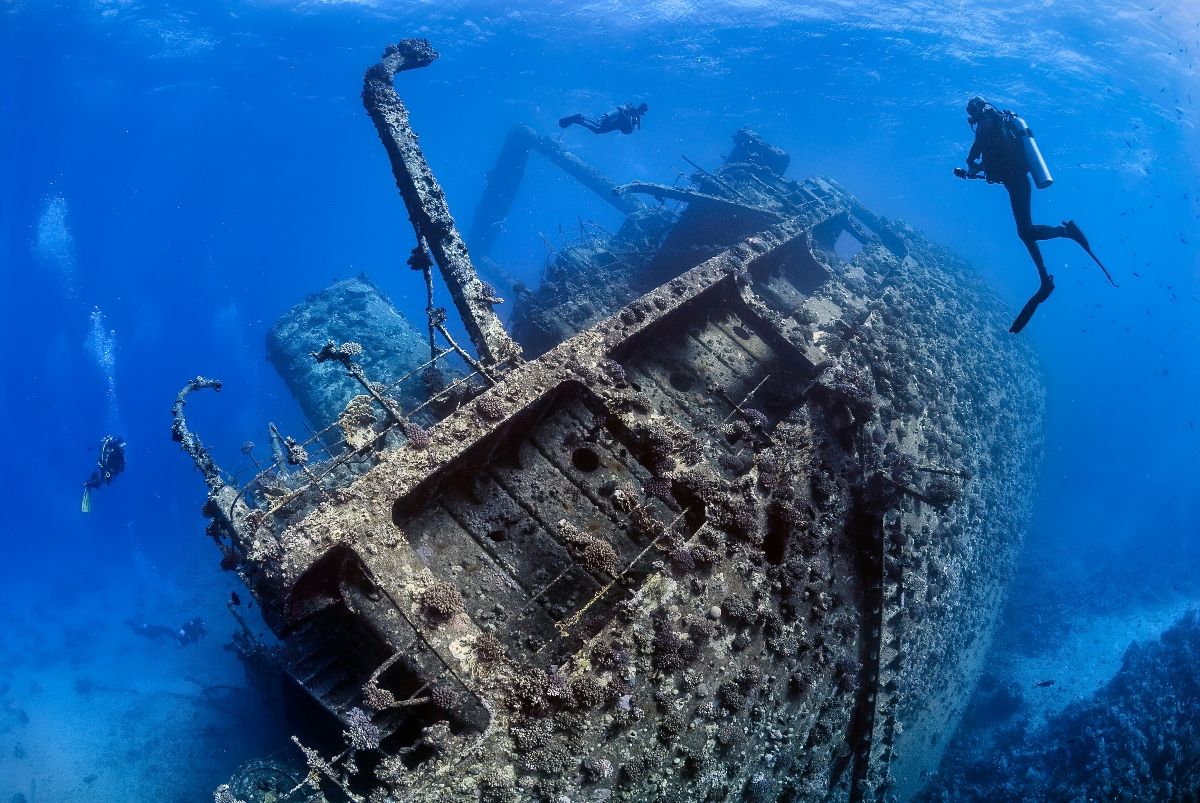
- Cave or wreck diving without specialty certification
- Technical diving using mixed gases
- Diving under the influence of alcohol or drugs
- Ignoring local safety regulations
If any of these conditions apply during an incident, the insurer may reject the claim completely.
Understanding exclusions beforehand is critical, especially because scuba-related medical treatment in the USA can be extremely expensive.
Medical Costs After a Scuba Diving Accident in the USA
Scuba diving accidents often require specialized medical care, such as treatment for decompression sickness.
Medical costs may include:
- Emergency room visits
- Diagnostic scans
- Hospital admission
- Hyperbaric chamber therapy
- Follow-up treatments
Without proper coverage, these expenses can quickly add up to tens of thousands of dollars.
For readers interested in how adventure sports injuries are handled financially, this detailed guide on skydiving insurance and medical responsibility explains similar risks and insurance limitations for other extreme activities in the US
Travel Insurance vs Scuba Diving Insurance
Many divers confuse standard travel insurance with dedicated scuba diving insurance. While travel insurance may offer limited coverage, scuba-specific insurance is designed for diving-related risks.
Key differences include:
- Broader medical coverage for dive injuries
- Higher depth limits
- Coverage for evacuation from remote dive locations
- Support for dive-related equipment issues
If scuba diving is a major part of your trip, relying only on basic travel insurance may not be enough.
You can also explore related safety and insurance topics through other guides on this site that discuss diving risks, accident costs, and insurance basics for US divers.
Cost Comparison: Travel Insurance vs Dive Insurance in the USA
Understanding cost differences helps you decide what makes sense for your trip.
Typical cost ranges:
- Standard travel insurance: $40–$120 per trip
- Travel insurance with adventure add-on: $80–$200
- Dedicated scuba diving insurance: $100–$300 annually
While scuba-specific insurance may seem more expensive upfront, it often provides better protection for frequent divers or those planning multiple dives.
Scuba Diving Insurance Coverage Table
| Coverage Type | Standard Travel Insurance | Adventure Add-On | Scuba-Specific Insurance |
|---|---|---|---|
| Medical Emergencies | Limited | Moderate | Extensive |
| Depth Coverage | Very Limited | Moderate | High |
| Certification Required | Yes | Yes | Yes |
| Hyperbaric Treatment | Often Excluded | Sometimes Covered | Usually Covered |
| Evacuation Coverage | Limited | Partial | Comprehensive |
This comparison shows why many experienced divers prefer insurance designed specifically for scuba diving.
Is Travel Insurance Enough for Scuba Diving in the USA?
Travel insurance may be enough if:
- You dive within shallow depth limits
- You are properly certified
- You dive only recreationally
- The policy clearly states scuba diving is covered
However, if you plan deeper dives, multiple dives, or dive frequently, relying only on basic travel insurance can be risky.
Final Thoughts
So, does travel insurance cover scuba diving in the USA?
Yes, but only under strict conditions.
Coverage depends on:
- Depth limits
- Certification level
- Policy exclusions
- Type of insurance purchased
Before booking a dive, always read your insurance policy carefully and understand what is covered and what is not. Doing this small check can protect you from massive medical bills and unnecessary stress later.
If you plan to explore more adventure activities, reviewing insurance requirements for similar high-risk sports can also help you make smarter decisions.