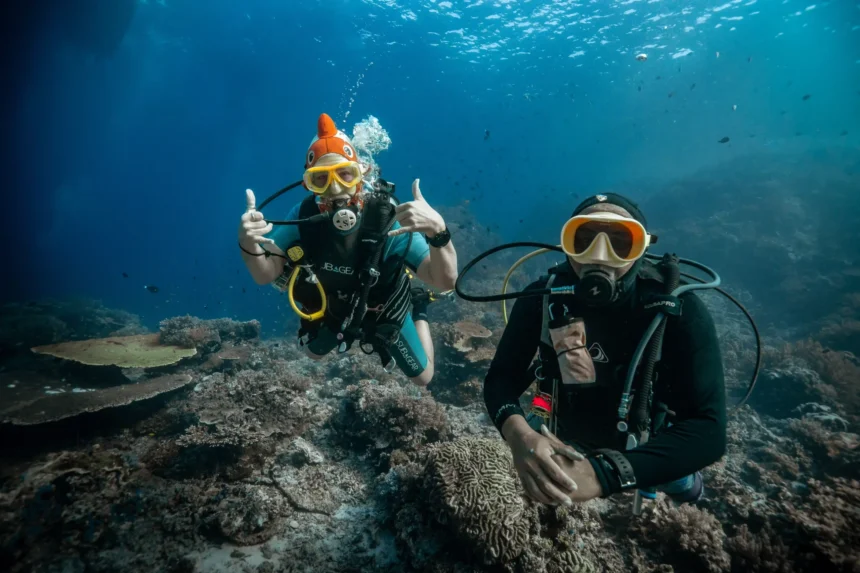
Planning your next scuba diving adventure can feel overwhelming when you’re trying to figure out the perfect time to go. The truth is, there’s always somewhere amazing to dive no matter what month it is. Understanding which months are best for scuba diving depends on where you want to go and what you want to see underwater.
- Understanding Diving Seasons Around the World
- Best Months for Caribbean Scuba Diving
- Best Months for Red Sea Diving
- Best Months for Southeast Asia Diving
- Best Months for Maldives Diving
- Best Months for Galapagos Diving
- Best Months for Great Barrier Reef Diving
- Best Months for Pacific Ocean Diving
- Planning Your Dive Trip Around Marine Life
- How Water Temperature Affects Your Diving Month Choice
- Understanding Monsoon Seasons and Diving
- Best Months for Budget-Conscious Divers
- Making Your Final Decision on Diving Months
- Frequently Asked Questions About Best Diving Months
Every dive destination around the world has its own peak season based on weather patterns, water temperature, and marine life activity. Some places offer incredible diving during winter months while others shine brightest in summer. Knowing the best months to dive can help you avoid rough seas, poor visibility, and disappointing encounters with marine life.
This guide will help you understand the best diving months for popular destinations worldwide so you can plan your underwater adventures with confidence. Whether you’re a beginner looking for calm conditions or an experienced diver chasing specific marine animals, timing your dive trip correctly makes all the difference.
Understanding Diving Seasons Around the World
The concept of diving seasons exists because ocean conditions change throughout the year. Water temperature, visibility, currents, and marine life patterns all shift with the seasons. These changes directly affect your diving experience and safety.
Different parts of the world experience opposite seasons. When it’s winter in North America, it’s summer in Australia. This means you can always find excellent diving conditions somewhere on the planet during any given month. The key is matching your travel dates with destinations that offer optimal conditions during that time.
Weather patterns like monsoons, hurricanes, and trade winds play huge roles in determining diving seasons. These patterns affect surface conditions, underwater visibility, and water temperature. Rainy seasons often bring reduced visibility and rough surface conditions, making diving less enjoyable and sometimes dangerous.
Marine life also follows seasonal patterns. Many species migrate, breed, or feed during specific months. If you want to see whale sharks, manta rays, or humpback whales, you need to visit during their peak season at that particular location. Missing the right window might mean missing these incredible encounters entirely.
Best Months for Caribbean Scuba Diving
The Caribbean offers some of the most accessible diving in the world, with warm water and diverse marine life. The best months for Caribbean diving are generally December through April. During these months, you’ll find calm seas, excellent visibility, and pleasant weather both above and below water.
Hurricane season runs from June through November in the Caribbean, with peak activity in August and September. While diving is still possible during these months, you risk trip cancellations and poor conditions. Many dive operators reduce their schedules or close completely during hurricane season.
Water temperature in the Caribbean stays relatively warm year-round, ranging from 78 to 84 degrees Fahrenheit. Even during the cooler winter months, a thin wetsuit is usually all you need. This makes the Caribbean perfect for divers who prefer warmer waters without the need for thick thermal protection.
Visibility in the Caribbean peaks during winter months when seas are calmest. You can often see 100 feet or more underwater during December through April. Summer months sometimes bring plankton blooms that reduce visibility, though this varies by specific location within the Caribbean.
Best Months for Red Sea Diving
The Red Sea in Egypt offers year-round diving opportunities with consistently good conditions. However, the absolute best months are March through May and September through November. During these shoulder seasons, you get excellent visibility, comfortable water temperatures, and fewer crowds than peak summer months.
Summer months from June through August bring very warm water temperatures, sometimes exceeding 86 degrees Fahrenheit. While this sounds appealing, extremely warm water can be uncomfortable, and many divers find they overheat even without wetsuits. Air temperatures can also become uncomfortably hot above water.
Winter months from December through February offer cooler water temperatures around 72 to 75 degrees Fahrenheit. You’ll need a thicker wetsuit during these months, but the diving remains excellent. Visibility stays consistently good throughout winter, and you’ll encounter fewer tourists than during European summer holidays.
Wind patterns affect Red Sea diving conditions significantly. The northern Red Sea experiences strong winds during winter months, which can create choppy surface conditions. Southern Red Sea locations like Marsa Alam often have calmer conditions during these same winter months, making them better choices for winter diving.
Best Months for Southeast Asia Diving
Southeast Asia encompasses many diverse diving destinations, each with different optimal seasons. Generally speaking, November through April offers the best diving conditions across most of Southeast Asia. These months coincide with the dry season in many countries throughout the region.
Thailand’s diving season splits between two coasts. The Andaman Sea side, including popular destinations like Phuket and the Similan Islands, offers best diving from November through April. The Gulf of Thailand side, including Koh Tao and Koh Samui, has better conditions from March through October when the Andaman Sea faces monsoons.
Indonesia presents a complex diving calendar because the archipelago stretches across such a vast area. Bali and Komodo offer excellent diving from April through November. Raja Ampat in eastern Indonesia has its best conditions from October through April. Understanding these regional differences helps you plan multi-destination trips through Indonesia.
The Philippines diving season varies by region, but generally March through June provides the calmest seas and best visibility. Typhoon season runs from July through October, though many areas remain diveable with careful weather monitoring. Water temperatures stay warm year-round throughout Southeast Asia, usually ranging from 79 to 86 degrees Fahrenheit.
Best Months for Maldives Diving
The Maldives offers fantastic diving year-round, but conditions vary between the dry northeast monsoon season and the wet southwest monsoon season. The dry season from November through April brings calm seas, sunny weather, and excellent visibility. This is considered the peak diving season in the Maldives.
The southwest monsoon from May through October brings more rain and wind, but also brings large pelagic species like manta rays and whale sharks to certain atolls. Many experienced divers actually prefer this season because of the increased marine life activity, despite slightly rougher conditions.
Water temperature in the Maldives stays consistently warm throughout the year, ranging from 80 to 86 degrees Fahrenheit. You’ll rarely need more than a thin wetsuit or rash guard. This tropical consistency makes the Maldives accessible for divers who dislike cold water.
Visibility changes between seasons, with the dry season offering the clearest water, often exceeding 100 feet. Wet season visibility drops somewhat due to plankton blooms, but this plankton attracts the very manta rays and whale sharks that many divers travel to see. Choosing your season depends on whether you prioritize perfect conditions or specific marine life encounters.
Best Months for Galapagos Diving
The Galapagos Islands offer unique diving unlike anywhere else on Earth, but the conditions can be challenging. Water temperatures vary dramatically throughout the year, making timing crucial for comfort. December through May brings warmer water temperatures around 70 to 80 degrees Fahrenheit, making this the most comfortable diving season.
June through November brings colder water as the Humboldt Current strengthens, with temperatures sometimes dropping below 60 degrees Fahrenheit. However, this cold water brings nutrients that attract large marine animals like hammerhead sharks, whale sharks, and manta rays. Many serious divers consider this the best time for Galapagos diving despite the cold.
You’ll need different thermal protection depending on your travel month. Summer months might require only a 5mm wetsuit, while winter months often demand 7mm wetsuits or even drysuits for cold-sensitive divers. Checking the <a href=”https://www.scoobadiveguide.com/how-much-does-a-scuba-tank-weigh/”>scuba tank weight chart</a> becomes important when planning your gear, as thicker wetsuits require more weight to achieve neutral buoyancy.
Surface conditions can be rough year-round in the Galapagos, with strong currents and surge being normal. The most experienced divers find these conditions manageable but exciting. Beginners might find Galapagos diving too challenging regardless of the month and should consider building more experience before visiting.
Best Months for Great Barrier Reef Diving
Australia’s Great Barrier Reef offers diving year-round, but the best months are typically June through November. These winter and spring months bring the most stable weather, clearest water, and most comfortable diving conditions along the reef.
Summer months from December through February bring warmer water temperatures but also bring stinger season. Box jellyfish and other dangerous jellyfish species become common in shallow waters during these months. While offshore diving on the outer reef remains relatively safe, you’ll need to wear protective stinger suits as a precaution.
Water visibility on the Great Barrier Reef peaks during winter months when rainfall is lowest. You can often see 80 to 100 feet or more during June through September. Summer rainfall increases river runoff, which can reduce visibility in some areas, particularly closer to shore.
Water temperature varies significantly between seasons. Summer brings pleasantly warm water around 82 to 86 degrees Fahrenheit, while winter drops to 73 to 79 degrees Fahrenheit. A 3mm wetsuit works well during summer, while a 5mm suit provides better comfort during winter months.
Best Months for Pacific Ocean Diving
The Pacific Ocean is enormous, so diving seasons vary tremendously by location. Hawaii offers year-round diving, but summer months from May through September generally provide the calmest conditions. Winter brings larger swells that can make diving more challenging, though still possible with proper planning.
Fiji’s diving season runs from April through October when conditions are driest and calmest. November through March brings cyclone season, which can disrupt diving operations. Water stays warm year-round in Fiji, ranging from 77 to 84 degrees Fahrenheit, making thermal protection minimal.
California diving differs completely from tropical Pacific destinations. Summer months from June through September bring the warmest water temperatures, though “warm” means 60 to 68 degrees Fahrenheit in California. You’ll need a thick wetsuit or drysuit regardless of season. Visibility often improves during fall and winter months when plankton blooms subside.
The Pacific Northwest including Washington and British Columbia offers its best diving during winter months when plankton clears and visibility improves dramatically. Water temperatures stay cold year-round, requiring drysuits for extended diving. Summer brings plankton blooms that reduce visibility, though marine life remains abundant during all seasons.
Planning Your Dive Trip Around Marine Life
Many divers choose their travel dates based on specific marine animals they want to encounter. Whale sharks appear in different locations during different months. The Maldives sees whale sharks from May through November, while Mexico’s Isla Mujeres hosts them from June through September.
Manta ray seasons also vary by location. Indonesia’s Komodo National Park offers year-round manta encounters, while the Maldives sees huge congregations during the southwest monsoon from May through November. Hawaii’s manta ray night dives work year-round, making them one of the most reliable manta encounters worldwide.
Humpback whales migrate to tropical waters during winter months to breed and give birth. Tonga offers swimming with humpbacks from July through October, while Hawaii sees them from December through April. These seasonal migrations create limited windows for these incredible encounters.
Sea turtle nesting seasons vary by species and location. Many Caribbean beaches see turtles nesting from May through October, while Australia’s Mon Repos sees loggerhead turtles from November through March. Diving during nesting season increases your chances of seeing turtles underwater and possibly witnessing nesting activities.
How Water Temperature Affects Your Diving Month Choice
Water temperature directly impacts your comfort and safety underwater. Cold water requires thicker thermal protection, which adds weight and bulk to your gear. Some divers avoid destinations with water below 75 degrees Fahrenheit because they dislike wearing thick wetsuits.
Your personal cold tolerance matters more than general temperature guidelines. Some divers feel comfortable in 70-degree water with a 3mm wetsuit, while others need a 5mm suit in 78-degree water. Understanding your own comfort level helps you choose diving destinations and months that match your preferences.
Extreme water temperature changes affect marine ecosystems and your diving experience. Unusually warm water can cause coral bleaching and stress marine life. Unusually cold water might drive fish to deeper waters where recreational divers cannot follow. Checking recent water temperature reports before booking helps avoid disappointing conditions.
Thermal protection affects your buoyancy control and air consumption. Thicker wetsuits compress at depth, changing your buoyancy throughout the dive. They also require more weight to achieve neutral buoyancy at the surface. Planning your equipment based on expected water temperature makes your dives more comfortable and enjoyable.
Understanding Monsoon Seasons and Diving
Monsoons dramatically affect diving conditions across Asia and the Indian Ocean. These seasonal wind patterns bring heavy rainfall and rough seas to different regions at different times. Understanding monsoon patterns helps you avoid poor diving conditions and costly trip cancellations.
The southwest monsoon affects the Maldives, western Thailand, and parts of Indonesia from May through October. During this period, these destinations experience increased rainfall, stronger winds, and rougher seas. Some dive sites become inaccessible, while others remain diveable but with reduced visibility.
The northeast monsoon brings similar conditions to eastern Thailand, the Philippines, and parts of Indonesia from November through February. Planning your Southeast Asian dive trip requires understanding which coast faces which monsoon at which time. This knowledge lets you move between regions to follow good conditions.
Some divers embrace monsoon season diving because it brings unique benefits. The nutrients stirred up by rough seas attract large pelagic species. Prices often drop significantly during monsoon seasons, making diving more affordable. If you don’t mind some rain and moderate seas, monsoon season can offer great value and exciting marine life encounters.
Best Months for Budget-Conscious Divers
Diving during shoulder seasons saves significant money while often still providing excellent conditions. Shoulder seasons fall between peak tourist season and true low season. You’ll find discounted rates on accommodations, liveaboards, and dive packages without sacrificing too much in terms of conditions.
May and June offer great value in many Caribbean destinations as hurricane season hasn’t fully arrived yet. Similarly, November provides good conditions as hurricane season ends and before peak winter crowds arrive. You can save 30 to 50 percent compared to peak December through March rates.
September and October present opportunities in Southeast Asia as monsoon seasons end in many regions. Dive operators offer discounts to attract customers back after the slow monsoon months. Conditions improve rapidly once monsoons end, often reaching excellent levels by mid-October.
The absolute cheapest diving happens during true low season, but this comes with real risks. Hurricane season in the Caribbean, peak monsoon months in Asia, and similar periods offer deep discounts but also bring cancellation risks and poor conditions. Only consider low season diving if you have flexible travel dates and can accept possible disappointment.
Making Your Final Decision on Diving Months
Choosing the best months for your scuba diving trip requires balancing multiple factors. Weather conditions, water temperature, marine life activity, and your personal schedule all play roles. Create a priority list of what matters most to you before making final decisions.
Research specific dive sites rather than just general regions. Conditions can vary dramatically even within the same country. Reading recent trip reports from other divers provides valuable insights into current conditions that might differ from typical seasonal patterns.
Consider booking with operators who offer flexible cancellation policies, especially if traveling during borderline seasons. Climate change has made weather patterns less predictable, and having booking flexibility provides peace of mind. Travel insurance that covers diving-related cancellations offers another layer of protection.
Remember that no month guarantees perfect conditions everywhere. Ocean conditions constantly change, and even peak season can occasionally bring poor weather or visibility. Maintaining realistic expectations and flexibility helps ensure an enjoyable trip regardless of minor condition variations.
Frequently Asked Questions About Best Diving Months
What is the best month to go scuba diving worldwide?
There is no single best month for diving worldwide because different destinations peak at different times. However, March through May and September through November offer excellent conditions in many popular diving destinations. These shoulder seasons provide good weather while avoiding peak crowds and prices in most regions.
Can you scuba dive year-round?
Yes, you can scuba dive year-round by choosing destinations strategically. While some locations have limited diving seasons, there’s always somewhere in the world with good diving conditions during any given month. Planning based on seasonal patterns lets you dive continuously throughout the year.
What months should you avoid scuba diving?
Avoid hurricane season in the Caribbean and Atlantic from August through October. Skip monsoon season in specific Asian regions during their peak wet months. However, every destination has different patterns, so research your specific location rather than following general rules.
Does water temperature change significantly between months?
Water temperature changes vary by location. Tropical destinations might only fluctuate 5 to 8 degrees between seasons, while temperate locations can vary 15 to 20 degrees or more. Checking seasonal temperature ranges for your destination helps you pack appropriate thermal protection.
How far in advance should I book diving trips?
Book popular diving destinations 6 to 12 months in advance, especially for peak season travel. Liveaboards often fill up a year ahead for sought-after itineraries. Shoulder season trips can often be booked with just 2 to 3 months notice, and last-minute deals sometimes appear for low season.
Is visibility better during certain months?
Yes, visibility generally improves during dry seasons when rainfall and runoff decrease. Winter months often bring better visibility in tropical destinations, while some temperate locations see improved visibility during specific seasons when plankton blooms subside.
Ready to plan your perfect diving adventure? The best month for scuba diving depends on where you want to go and what you want to see. Start researching specific destinations that match your travel dates, and don’t forget to check current conditions before booking. With proper planning and timing, you’ll experience incredible underwater adventures no matter which month you choose. Visit our other diving guides to learn more about equipment, techniques, and destinations that will make your next dive trip unforgettable.