Have you ever wondered what those five letters—SCUBA—actually mean when you’re watching underwater documentaries or planning your first dive adventure? You’re not alone. Despite scuba diving being one of the world’s most popular adventure sports, with over 6 million active divers globally as of 2026, many people don’t know the acronym’s origin or its fascinating history.
- Quick Answer Box
- Table of Contents
- The Full Meaning of SCUBA
- The Fascinating History Behind SCUBA
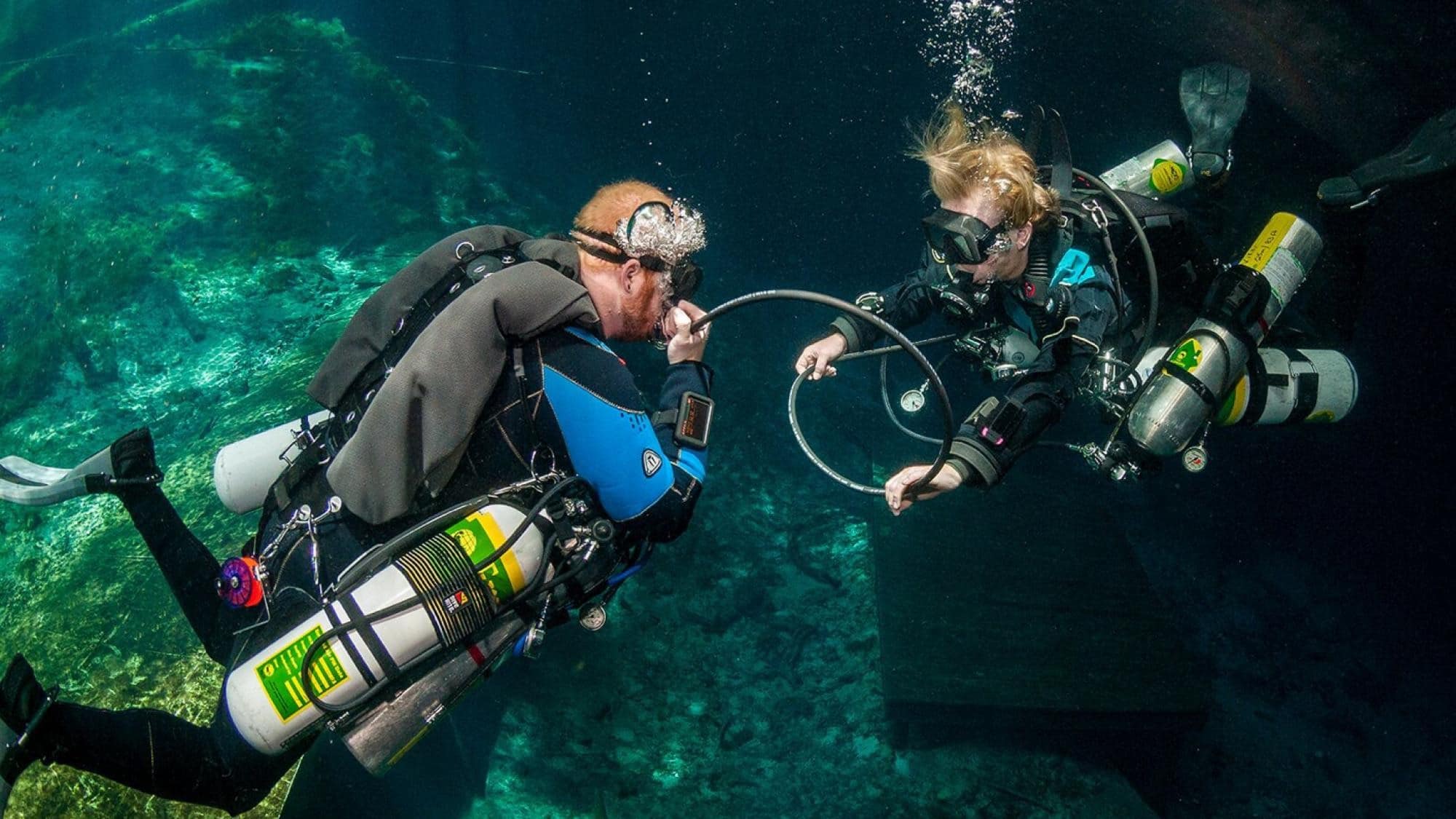
- How SCUBA Equipment Actually Works
- Why Understanding SCUBA Matters for Divers
- Common Misconceptions About SCUBA
- The Evolution of SCUBA Technology (1943-2026)
- Getting Started with SCUBA Diving
- FAQ Section
- What does SCUBA stand for in diving?
- Who invented SCUBA diving equipment?
- Is SCUBA always written in capital letters?
- Do SCUBA tanks contain pure oxygen?
- How deep can you dive with SCUBA equipment?
- How long does SCUBA air last underwater?
- Can anyone learn SCUBA diving?
- What’s the difference between SCUBA and snorkeling?
- How much does SCUBA certification cost?
- Is SCUBA diving dangerous?
- What does SCUBA mean in simple terms?
- When was the acronym SCUBA first used?
- Conclusion
Understanding what SCUBA stands for isn’t just trivia—it’s your gateway to appreciating the revolutionary technology that allows humans to explore 71% of our planet that’s covered in water. Whether you’re a complete beginner considering your first certification, an intermediate diver looking to deepen your knowledge, or simply curious about this incredible invention, this comprehensive guide will take you through everything you need to know about SCUBA and its remarkable journey from military necessity to recreational adventure.
By the end of this article, you’ll know the full meaning of SCUBA, its inventor, how the technology works, and why this acronym represents one of humanity’s greatest achievements in ocean exploration.
Quick Answer Box
What does SCUBA stand for?
- Self-Contained Underwater Breathing Apparatus
- Invented by Jacques Cousteau and Émile Gagnan in 1943
- Allows divers to breathe compressed air underwater independently
- Revolutionized underwater exploration and marine research
- The term became so common it’s now written as “scuba” (lowercase) in everyday use
Table of Contents
- The Full Meaning of SCUBA
- The Fascinating History Behind SCUBA
- How SCUBA Equipment Actually Works
- Why Understanding SCUBA Matters for Divers
- Common Misconceptions About SCUBA
- The Evolution of SCUBA Technology (1943-2026)
- FAQ Section
The Full Meaning of SCUBA
SCUBA is an acronym that stands for Self-Contained Underwater Breathing Apparatus. Let’s break down each component to understand what makes this technology revolutionary:
Self-Contained: This is the game-changer. Unlike earlier diving methods that required surface-supplied air through hoses or tubes, SCUBA equipment allows divers to carry their entire air supply with them. You’re completely independent underwater, free to explore without being tethered to a boat or shore-based air compressor.
Underwater: While this seems obvious, it emphasizes the specific environment where this apparatus functions. The engineering challenges of creating a system that works under increasing water pressure at depth were enormous.
Breathing: The primary function—delivering breathable air to the diver’s lungs. This isn’t just about having air available; it’s about regulating that air at the correct pressure to match the surrounding water pressure at any depth.
Apparatus: The complete system of equipment including the tank (or cylinder), regulator, buoyancy control device, and associated gear that makes underwater breathing possible.
Why the Acronym Became a Common Word
Interestingly, SCUBA started as a proper acronym written in all capitals, but by the 1980s, it had become so commonplace that it transitioned to “scuba” in lowercase. According to the Oxford English Dictionary, this transformation reflects how thoroughly the technology integrated into popular culture. Today, we say “scuba diving,” “scuba gear,” and “scuba certification” without thinking twice about the acronym’s origins.
The Fascinating History Behind SCUBA
The Pre-SCUBA Era
Before SCUBA, humans attempted underwater exploration through various methods, none of which offered true freedom:
- Diving Bells (1600s): Large inverted containers lowered into water with trapped air
- Standard Diving Dress (1800s): Heavy copper helmets with air pumped from the surface
- Rebreathers (Early 1900s): Recycled exhaled air but were dangerous and limited
These methods kept divers tethered to the surface, severely limiting exploration range and flexibility.
The Birth of Modern SCUBA: 1943
The breakthrough came during World War II in German-occupied France. Jacques-Yves Cousteau, a French naval officer and explorer, partnered with engineer Émile Gagnan to solve a critical problem: how to deliver compressed air to a diver at exactly the right pressure, automatically adjusting as depth changed.
Their invention, the Aqua-Lung, featured a demand regulator that released air only when the diver inhaled, and crucially, delivered that air at ambient pressure—matching the surrounding water pressure at any depth. This innovation made SCUBA practical, safe, and accessible.
Post-War Revolution
After WWII, Cousteau and Gagnan commercialized their invention through La Spirotechnique (later Aqua Lung International). By the 1950s, SCUBA diving transformed from military and scientific tool to recreational activity. Cousteau’s documentaries and his famous ship, the Calypso, brought underwater exploration into living rooms worldwide, creating the modern dive industry.
How SCUBA Equipment Actually Works
Understanding the mechanics behind your SCUBA apparatus enhances safety and confidence. Here’s how the system delivers breathable air underwater:
The Core Components
1. The Cylinder (Tank)
- Contains compressed air (or specialized gas mixtures) at approximately 200-300 bar (3,000-4,500 psi)
- Standard air is 21% oxygen, 79% nitrogen—the same as atmospheric air
- Made from aluminum or steel with rigorous safety testing
2. The First Stage Regulator
- Attaches directly to the cylinder valve
- Reduces high-pressure air (3,000 psi) to intermediate pressure (140 psi above ambient)
- This first pressure reduction is automatic and continuous
3. The Second Stage Regulator (Mouthpiece)
- The part you breathe from
- Uses a demand valve activated by inhalation
- Delivers air at exactly ambient pressure (matching water pressure at your depth)
- This pressure matching is what makes breathing feel natural underwater
4. Buoyancy Control Device (BCD)
- Inflatable vest connected to your air supply
- Allows you to achieve neutral buoyancy at any depth
- Essential for controlled ascents and descents
The Physics Behind It
As you descend, water pressure increases by approximately 1 atmosphere (14.7 psi) every 10 meters (33 feet). Your regulator automatically compensates, delivering air at higher pressure to match. This is why you can breathe normally whether you’re at 5 meters or 30 meters depth—the SCUBA apparatus adjusts automatically.
However, this pressure relationship explains why air consumption increases with depth. At 20 meters, you breathe air that’s three times denser than at the surface, meaning your tank depletes roughly three times faster.
Why Understanding SCUBA Matters for Divers
Safety Implications
Knowing what SCUBA stands for and how the apparatus works isn’t academic—it’s directly connected to dive safety:
Equipment Familiarity: Understanding that your system is “self-contained” emphasizes the importance of proper pre-dive checks. You’re carrying your life support system, so every component must function perfectly.
Breathing Control: Recognizing that the “breathing apparatus” delivers air on demand helps you understand why slow, controlled breathing conserves air and prevents problems like CO2 buildup.
Pressure Awareness: Understanding the “underwater” environment and pressure relationships helps you grasp critical safety concepts like nitrogen absorption, decompression sickness, and the importance of controlled ascent rates.
Building Confidence
New divers often feel anxious about depending entirely on mechanical equipment underwater. However, understanding the elegant simplicity of how SCUBA works—pressure equalization through basic physics—builds confidence. The system isn’t mysterious; it’s engineered reliability proven over 80+ years.
Certification Foundation
Every certification course (PADI, SSI, NAUI, SDI) begins with SCUBA fundamentals because this knowledge framework supports everything else you’ll learn. Advanced skills like deep diving, wreck penetration, or technical diving all build on understanding your self-contained breathing apparatus.
Common Misconceptions About SCUBA
Myth 1: “SCUBA Tanks Contain Oxygen”
Reality: Standard recreational SCUBA tanks contain compressed air—21% oxygen and 79% nitrogen, identical to what you breathe on the surface. Pure oxygen becomes toxic at depths below 6 meters. Technical divers do use enriched air (Nitrox) with higher oxygen percentages (32-40%), but never pure oxygen for general diving.
Myth 2: “SCUBA Is an English Invention”
Reality: While the acronym is English, the technology was invented in France by Cousteau and Gagnan. The English acronym was adopted internationally because it perfectly described the apparatus functionality. In France, early equipment was called “scaphandre autonome,” but even there, “scuba” became standard.
Myth 3: “SCUBA Equipment Lets You Stay Underwater Indefinitely”
Reality: Your bottom time depends on multiple factors: tank size, depth, breathing rate, and water temperature. At 18 meters (60 feet) with a standard 12-liter tank, average divers get 30-40 minutes. The self-contained nature means you’re limited by what you carry, unlike surface-supplied systems.
Myth 4: “Modern SCUBA Is Basically Unchanged Since 1943”
Reality: While the core principle remains—demand-regulated air delivery—technology has advanced dramatically. Modern SCUBA equipment features:
- Computer-assisted dive planning and monitoring
- Balanced regulators for effortless breathing
- Advanced materials reducing weight by 40%
- Integrated systems for improved streamlining
The Evolution of SCUBA Technology (1943-2026)
1943-1960: The Foundation Era
- Original Aqua-Lung with basic demand valve
- Heavy steel tanks, single-hose regulators
- Limited depth capabilities (30 meters maximum)
- Primarily military and scientific use
1960-1980: Recreational Revolution
- Introduction of two-hose regulators for improved breathing
- Development of the modern BCD
- Certification agencies established (PADI founded 1966)
- Dive computers appeared in late 1970s
1980-2000: Technology Integration
- Dive computers became standard equipment
- Nitrox (enriched air) gained popularity
- Improved materials reduced equipment weight
- Dry suits with integrated thermal protection
2000-2026: Smart Diving Era
- AI-powered dive computers with wireless tank monitoring
- Rebreather technology for extended bottom time
- Heads-up displays in masks showing real-time data
- Eco-friendly equipment with reduced environmental impact
- Advanced training simulations using VR technology
Looking Forward: The Future of SCUBA
As of 2026, researchers are developing:
- Liquid breathing systems for extreme depths
- Artificial gill technology extracting oxygen directly from water
- Biometric monitoring integrated into equipment
- Sustainable manufacturing reducing diving’s environmental footprint
While these innovations may eventually supplement or replace traditional SCUBA, the fundamental principle—enabling humans to breathe underwater independently—remains unchanged since Cousteau’s breakthrough.
Getting Started with SCUBA Diving
Now that you understand what SCUBA stands for and how this remarkable technology works, you might be inspired to experience it yourself. Here’s how to begin your underwater adventure:
Step 1: Get Certified
SCUBA diving requires certification from recognized agencies. The most popular entry-level course is the Open Water Diver certification, which typically involves:
- Online or classroom theory sessions (6-8 hours)
- Confined water practice (pool sessions)
- Open water dives (4 certification dives)
- Total investment: 3-4 days and $350-$600
Step 2: Choose Quality Equipment
While many beginners rent equipment initially, investing in personal gear improves comfort and safety. Start with:
- Mask and snorkel: $50-150
- Fins: $80-200
- Wetsuit: $150-400
- Full SCUBA set: $1,500-3,000
For beginners researching quality equipment, Scuba.com offers comprehensive buying guides, detailed product comparisons, and competitive pricing across all major brands. Their expert reviews help new divers make informed equipment choices without overspending.
Step 3: Practice Regularly
The self-contained nature of SCUBA means you’re responsible for your safety. Regular practice maintains skills and builds confidence. Most divers recommend:
- At least 10-12 dives in your first year
- Annual refresher courses if taking breaks
- Gradually progressing to more challenging environments
FAQ Section
What does SCUBA stand for in diving?
SCUBA stands for Self-Contained Underwater Breathing Apparatus. It refers to the complete system of equipment that allows divers to breathe compressed air underwater while carrying their entire air supply, independent of surface connections.
Who invented SCUBA diving equipment?
Jacques-Yves Cousteau and Émile Gagnan invented modern SCUBA equipment in 1943 in France. Their Aqua-Lung featured a demand regulator that automatically delivered air at the correct pressure, revolutionizing underwater exploration.
Is SCUBA always written in capital letters?
Originally yes, as it’s an acronym. However, since the 1980s, “scuba” (lowercase) has become standard usage as the term entered common vocabulary. Both forms are correct, though lowercase is more prevalent in modern writing.
Do SCUBA tanks contain pure oxygen?
No. Recreational SCUBA tanks contain compressed atmospheric air (21% oxygen, 79% nitrogen). Pure oxygen becomes toxic at depths below 6 meters. Some divers use enriched air (Nitrox) with 32-40% oxygen for specific dive profiles.
How deep can you dive with SCUBA equipment?
Recreational SCUBA diving limits are 40 meters (130 feet) for certified divers, with 18-30 meters recommended for beginners. Technical divers with advanced training and specialized equipment can reach depths exceeding 100 meters.
How long does SCUBA air last underwater?
This varies based on depth, breathing rate, and tank size. At 18 meters with a standard 12-liter tank, average divers get 30-40 minutes. Shallower depths extend this significantly, while deeper diving reduces it.
Can anyone learn SCUBA diving?
Most people aged 10+ in reasonable health can learn SCUBA diving. Medical conditions affecting heart, lungs, or ears may require physician clearance. Certification courses assess fitness through medical questionnaires before training begins.
What’s the difference between SCUBA and snorkeling?
Snorkeling involves swimming at the surface with a breathing tube (snorkel), limiting you to shallow depths. SCUBA is a self-contained system allowing you to dive deep and stay underwater for extended periods while breathing normally.
How much does SCUBA certification cost?
Entry-level Open Water Diver certification typically costs $350-$600, including materials, pool sessions, and open water dives. Location and instructor affect pricing. Equipment rental may cost extra during training.
Is SCUBA diving dangerous?
When properly trained and following safety protocols, SCUBA diving has excellent safety records. The DAN (Divers Alert Network) reports recreational diving fatality rates of approximately 16 per 100,000 participants annually—comparable to marathon running and safer than many adventure sports.
What does SCUBA mean in simple terms?
In simple terms, SCUBA means a portable breathing system you wear that lets you breathe underwater. It includes a tank of compressed air on your back and a mouthpiece that delivers air at the right pressure as you dive deeper.
When was the acronym SCUBA first used?
The acronym SCUBA was first used in 1952 by Major Christian J. Lambertsen, a physician who pioneered underwater medicine for U.S. military divers. However, Cousteau’s 1943 Aqua-Lung was the first practical self-contained underwater breathing apparatus.
Conclusion
Understanding what SCUBA stands for—Self-Contained Underwater Breathing Apparatus—reveals much more than a simple acronym. It represents humanity’s ingenious solution to exploring the 71% of Earth covered by water, a breakthrough that transformed marine science, environmental conservation, and adventure recreation.
Key takeaways:
- SCUBA equipment allows independent underwater breathing through pressure-regulated air delivery
- Invented in 1943 by Cousteau and Gagnan, revolutionizing ocean exploration
- Modern systems combine 80+ years of refinement with cutting-edge technology
- Proper understanding enhances safety, confidence, and diving enjoyment
Whether you’re planning your first dive, deepening your knowledge as an intermediate diver, or simply fascinated by human innovation, SCUBA technology remains one of our species’ most elegant inventions. Every breath you take underwater—made possible by that self-contained apparatus on your back—connects you to millions of divers worldwide and to Cousteau’s wartime workshop where modern underwater exploration began.
Ready to experience SCUBA diving yourself? Start by researching certification courses in your area, and remember: every expert diver once asked the same question you did—”What does SCUBA stand for?”