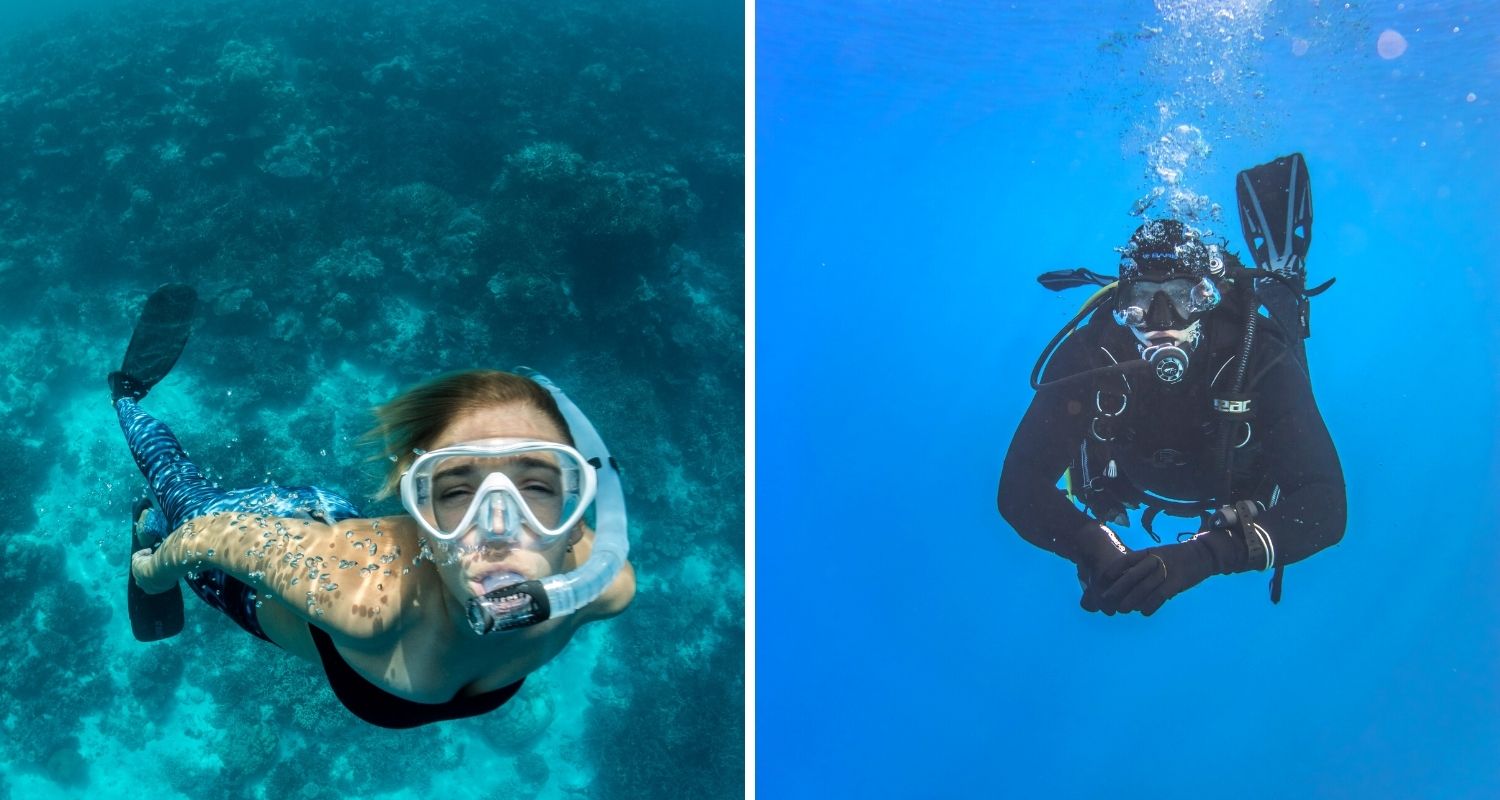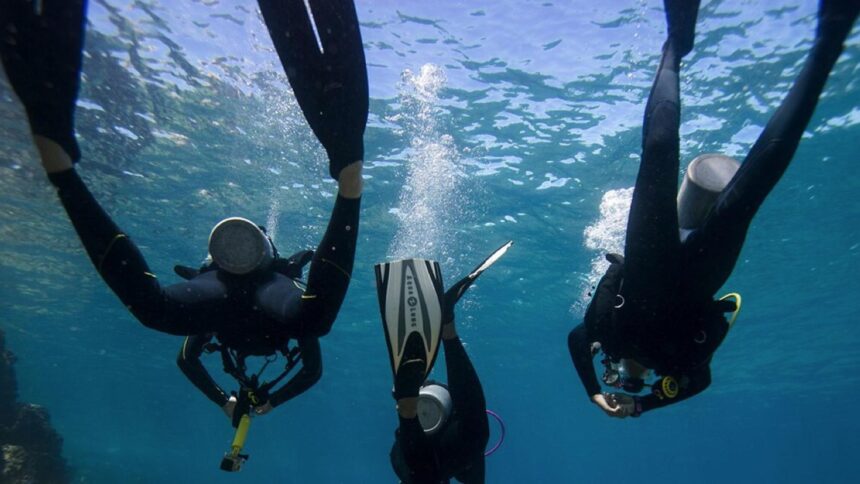
Have you ever watched a sea turtle glide effortlessly through crystal-clear water and wondered how they make it look so easy? The secret isn’t just biology—it’s efficient propulsion. For scuba divers, that same graceful movement comes down to one critical piece of equipment: your fins.
- Quick Answer: What You Need to Know About Scuba Fins
- Table of Contents
- What Are Scuba Fins and Why Do They Matter?
- Types of Scuba Fins Explained
- Scuba Fin Materials: What Makes the Difference
- How to Choose the Right Scuba Fins for Your Diving Style
- Top Scuba Fins Recommendations for 2026
- Proper Fin Sizing and Fit Guide
- Scuba Fin Maintenance and Care
- Common Scuba Fin Mistakes to Avoid
- Mistake #1: Buying Based on Appearance Rather Than Function
- Mistake #2: Ignoring Leg Strength and Fitness Reality
- Mistake #3: Neglecting to Test Fins Before Buying
- Mistake #4: Mixing Boot and Fin Brands Without Compatibility Check
- Mistake #5: Choosing Based on Price Alone
- Mistake #6: Poor Break-In Process
- Frequently Asked Questions About Scuba Fins
- Q: How long do scuba fins typically last?
- Q: Are expensive scuba fins worth the investment?
- Q: Can I use snorkeling fins for scuba diving?
- Q: What’s better for beginners: split fins or paddle fins?
- Q: How should scuba fins fit?
- Q: Do I need different fins for different water temperatures?
- Q: How do I prevent leg cramps while using scuba fins?
- Q: Can I fly with scuba fins in carry-on luggage?
- Q: What’s the difference between scuba fins and freediving fins?
- Q: How often should I replace my scuba fins?
- Q: Are spring straps better than rubber straps on scuba fins?
- Q: Should I get open-heel or full-foot fins for warm water diving?
- Q: What fin color is most visible underwater for safety?
- Q: Can I mix and match fins from different brands with my boots?
- Q: How much should I spend on my first pair of scuba fins?
- Conclusion: Making Your Scuba Fin Decision
Choosing the right scuba fins can be the difference between an exhausting dive that drains your air tank in 30 minutes and a relaxed underwater experience where you feel like you’re flying. According to recent industry data, nearly 68% of new divers experience leg cramps or fatigue during their first ten dives—and improper fin selection is the leading cause. Whether you’re planning your first open water certification dive or you’re a seasoned technical diver exploring deep wrecks, understanding scuba fins will transform your diving experience.
In this comprehensive guide, you’ll discover everything you need to know about scuba fins: the different types, how to choose the perfect pair for your diving style, maintenance tips that extend their lifespan, and expert recommendations for every budget. By the end, you’ll have the knowledge to make an informed decision that could save you hundreds of dollars and countless underwater struggles.
Quick Answer: What You Need to Know About Scuba Fins
Essential Facts About Scuba Fins:
- Two Main Types: Open-heel fins (adjustable, used with boots) and full-foot fins (fixed sizing, barefoot use)
- Blade Materials: Plastic/polymer (budget-friendly), composite materials (mid-range), carbon fiber (premium performance)
- Average Lifespan: 5-10 years with proper care
- Price Range: $50-$500+ depending on type and technology
- Fit is Critical: Fins that don’t fit properly cause blisters, cramps, and reduced efficiency
Table of Contents
- What Are Scuba Fins and Why Do They Matter?
- Types of Scuba Fins Explained
- Scuba Fin Materials: What Makes the Difference
- How to Choose the Right Scuba Fins for Your Diving Style
- Top Scuba Fins Recommendations for 2026
- Proper Fin Sizing and Fit Guide
- Scuba Fin Maintenance and Care
- Common Scuba Fin Mistakes to Avoid
- Frequently Asked Questions
What Are Scuba Fins and Why Do They Matter?
Scuba fins are specialized swimming fins designed to maximize propulsion efficiency underwater while minimizing energy expenditure. Unlike the flimsy pool fins you might remember from childhood, scuba fins are engineered with hydrodynamic principles that allow divers to move smoothly through water with powerful, controlled kicks.
The physics behind scuba fins is remarkably simple yet ingenious. When you kick, the blade surface pushes water backward, and Newton’s third law propels you forward. The larger and stiffer the blade, the more water you displace with each kick—but this also requires more leg strength. Modern scuba fins balance blade size, flexibility, and shape to optimize this energy transfer.
Why proper scuba fins matter more than you think:
Your fins directly impact three critical aspects of every dive. First, they determine your air consumption rate. Inefficient fins force you to kick harder and more frequently, which increases your heart rate and breathing—cutting your dive time by 30-40% according to PADI research. Second, they affect your buoyancy control and body position. Good fins allow precise movements for maintaining trim and navigating tight spaces like swim-throughs or wreck interiors. Third, they influence your overall diving experience and safety. The right pair prevents fatigue, reduces the risk of cramps, and gives you the power to handle currents or emergency situations.
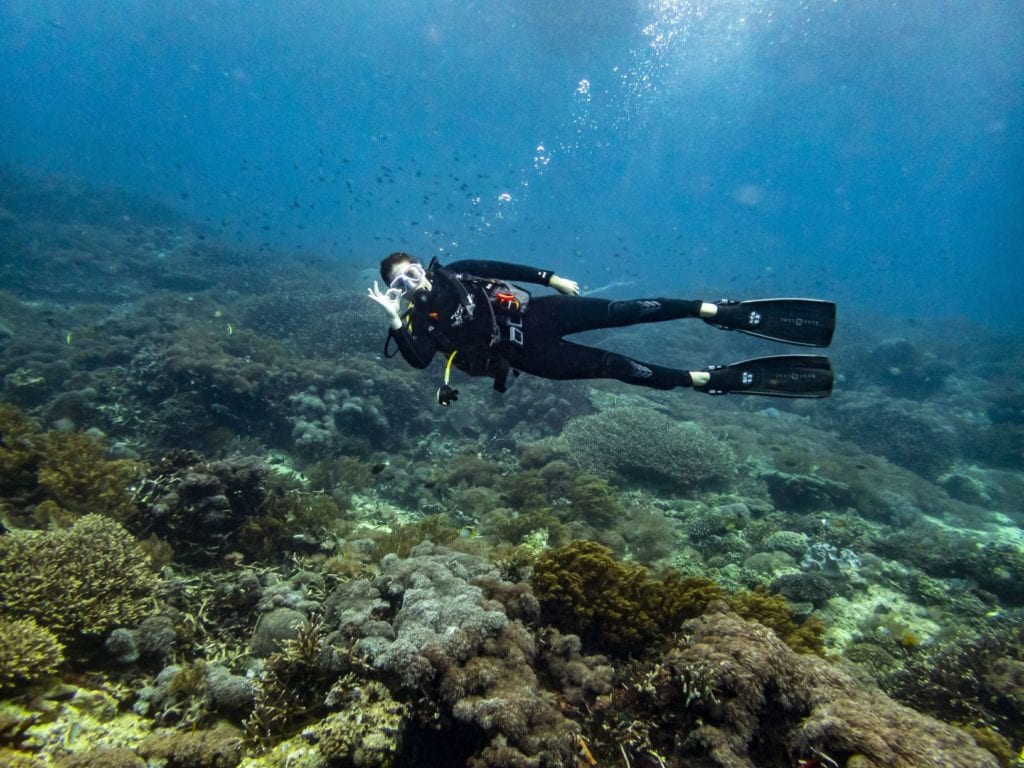
Professional dive instructor Maria Santos, with over 15 years of experience, notes: “I can immediately tell when a student is struggling with poorly matched fins. Their entire body position changes, they burn through air faster, and they often develop a negative association with diving before they even realize the equipment is the problem.”
In today’s diving landscape, fin technology has advanced significantly. As of 2026, manufacturers incorporate aerospace materials, computer-aided design, and biomechanical research to create fins that work with your body’s natural movement patterns rather than against them.
Types of Scuba Fins Explained
Understanding the main categories of scuba fins helps narrow down your options before you even start comparing specific models. Each type serves different diving environments and preferences.
Open-Heel Fins (Adjustable Strap Fins)
Open-heel fins feature an adjustable strap system at the heel and require dive boots. They’re the most popular choice among recreational and technical divers worldwide, representing approximately 75% of the market according to 2025 industry reports.
Advantages of open-heel fins:
- Adjustable fit accommodates different boot thicknesses for varying water temperatures
- Easy to put on and remove, especially on rocking boats
- Can be worn with thick neoprene boots for cold-water diving or thin boots in tropical conditions
- More durable heel strap systems compared to fixed rubber
- Better for shore diving over rocky entries where foot protection matters
Disadvantages:
- Require purchasing separate dive boots (additional $50-150 expense)
- Slightly heavier and bulkier for travel
- The boot-fin combination can feel less responsive than barefoot options
Open-heel scuba fins excel in temperate to cold water environments, boat diving, and situations requiring versatility across different diving conditions. If you plan to dive in various locations with different water temperatures, open-heel fins offer unmatched adaptability.

Full-Foot Fins (Closed-Heel Fins)
Full-foot fins enclose your entire foot like a shoe and are worn without boots. They’re particularly popular in warm tropical waters and among freedivers who value streamlined efficiency.
Advantages of full-foot fins:
- Lighter weight makes them ideal for travel
- More efficient energy transfer due to direct foot-to-fin contact
- Comfortable in warm water when boots aren’t necessary
- Typically less expensive than open-heel equivalents
- Better proprioception (feeling of fin position)
Disadvantages:
- Sizing must be exact—no adjustability for different conditions
- Can cause blisters if fit isn’t perfect
- Not suitable for rocky shore entries without foot protection
- Limited use in cold water where thick exposure suits are needed
Full-foot scuba fins are perfect for dedicated tropical divers, resort diving, and those prioritizing lightweight travel gear. Many experienced divers own both types: open-heel for local diving and full-foot for vacation destinations.
Split Fins vs. Paddle Fins
Beyond the heel design, scuba fins divide into two fundamental blade philosophies that significantly impact your underwater experience.
Paddle fins feature a solid blade surface and represent the traditional fin design that’s been refined over decades. They provide powerful thrust with each kick, excellent control in currents, and work well with all kick techniques including frog kicks and helicopter turns used in technical diving.
Split fins have a vertical channel running down the center of the blade, creating two separated sections. This design reduces resistance on the downstroke while maintaining forward propulsion through sophisticated water flow dynamics. Studies from the University of Buffalo’s biomechanics department show split fins can reduce effort by up to 30% for flutter kicks.
However, split fins have limitations. They’re less effective for alternative kick styles, provide less precise control in tight spaces, and struggle in strong currents where paddle fins excel. As of 2026, approximately 60% of recreational divers use paddle-style fins, while 40% prefer split fins—though this varies significantly by region and diving style.
Scuba Fin Materials: What Makes the Difference
The material composition of scuba fins dramatically affects their performance, durability, and price point. Modern manufacturing has introduced materials that were science fiction just a decade ago.
Thermoplastic and Polymer Fins
Entry-level and mid-range scuba fins typically use various plastic and rubber compounds. These materials offer excellent value and durability for recreational diving.
Common thermoplastic materials:
- Standard rubber compounds: Flexible, affordable, but can degrade faster in sunlight
- Polypropylene blends: More rigid, longer-lasting, resistant to UV damage
- Thermoplastic elastomers (TPE): Combine flexibility with durability, used in modern adjustable straps
Polymer fins generally cost between $50-180 and last 5-7 years with proper care. They’re perfectly adequate for recreational diving and represent the sweet spot for beginners building their equipment collection. The primary drawback is weight—they’re noticeably heavier than premium materials, which matters for travel divers.
Composite Material Fins
Mid-to-high-end scuba fins incorporate composite materials that blend different substances to optimize specific characteristics.
Popular composite combinations:
- Rubber-graphite composites: Increase blade stiffness without adding weight
- Fiberglass-reinforced polymers: Enhance durability and responsiveness
- Tecralene and similar proprietary blends: Manufacturer-specific formulations balancing flexibility, power, and longevity
Composite scuba fins typically range from $150-300 and offer noticeable performance improvements over basic plastic fins. They maintain their shape better over time, provide more efficient energy transfer, and often feature ergonomic designs that reduce fatigue. For intermediate divers who’ve moved beyond rental equipment, composite fins represent an excellent long-term investment.
Carbon Fiber and Advanced Materials
Premium scuba fins utilize aerospace-grade materials that maximize performance while minimizing weight. Carbon fiber has become increasingly popular in technical diving and among serious recreational divers.
Carbon fiber fins cost $250-500+ but deliver exceptional benefits. They’re incredibly lightweight—often 40-50% lighter than polymer equivalents while being significantly stiffer. This combination allows powerful propulsion with minimal effort. The rigidity stores and releases energy more efficiently, similar to how a diving board works.
Recent innovations in 2025-2026 include graphene-enhanced composites and nano-material blade coatings that reduce drag. While these premium scuba fins represent significant investments, divers who log 50+ dives annually often find the performance gains and reduced fatigue worth the cost.
Material comparison summary:
| Material Type | Price Range | Weight | Durability | Best For |
|---|---|---|---|---|
| Thermoplastic/Polymer | $50-180 | Heavy | 5-7 years | Beginners, occasional divers |
| Composite Blends | $150-300 | Medium | 7-10 years | Regular recreational divers |
| Carbon Fiber | $250-500+ | Very Light | 10+ years | Frequent divers, technical diving |
How to Choose the Right Scuba Fins for Your Diving Style
Selecting scuba fins involves matching your specific diving patterns, physical capabilities, and environmental conditions with the appropriate fin characteristics. There’s no single “best” fin—only the best fin for you.
Assess Your Primary Diving Environment
Your typical diving conditions should guide your fin selection more than any other factor. Different environments demand different fin capabilities.
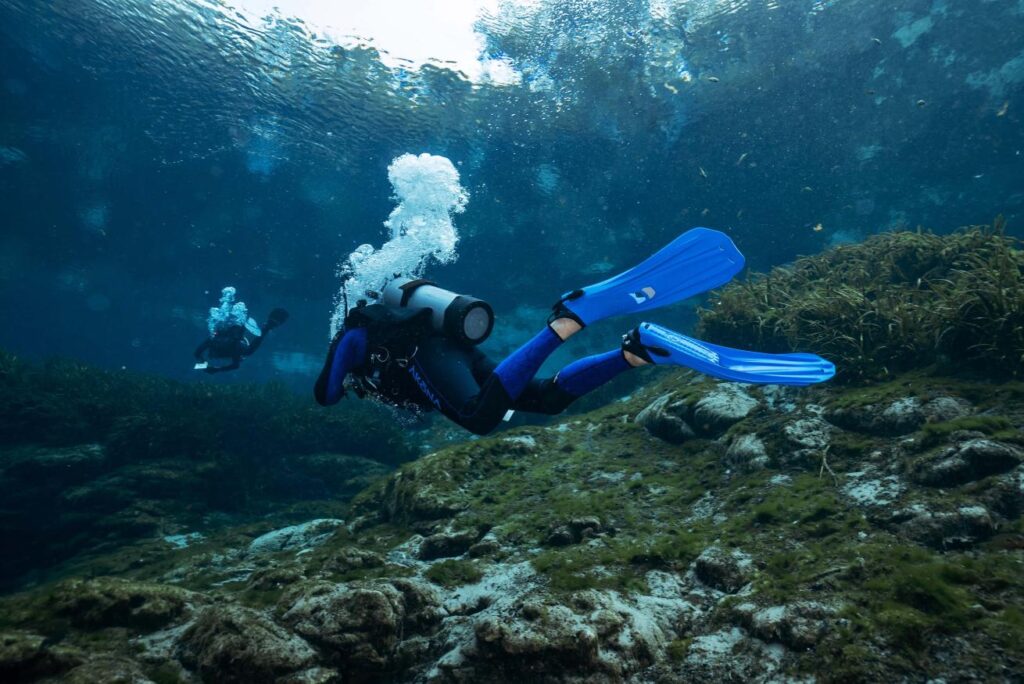
Warm tropical water diving (Caribbean, Southeast Asia, Red Sea): Full-foot or lightweight open-heel fins work beautifully. Prioritize compact, travel-friendly options since you’ll likely be flying to dive destinations. Split fins or softer paddle fins provide comfortable propulsion in calm conditions without overwhelming power needs.
Temperate to cold water diving (California coast, Great Lakes, North Atlantic): Open-heel fins are essential to accommodate thick neoprene boots. Choose stiffer blades to handle occasional currents and surge. Durability matters more than weight since you’re probably driving to local sites rather than flying.
Current-prone environments (drift diving, channel dives, ocean passages): Rigid paddle fins give you the power to fight currents when necessary. Split fins struggle in heavy current, and you’ll appreciate the control that traditional blade designs provide. Technical divers exploring deep wrecks in current-swept areas almost universally choose stiff paddle fins.
Consider Your Physical Fitness and Leg Strength
Honest self-assessment prevents choosing scuba fins that exceed your physical capabilities or bore you with insufficient challenge.
Beginners and less frequent divers benefit from medium-flex fins that don’t require significant leg strength. If you’re over 50, have knee issues, or don’t exercise regularly, softer fins or split fins reduce joint stress while still providing adequate propulsion. There’s zero shame in prioritizing comfort—cramping up 60 feet underwater isn’t fun regardless of how “advanced” your fins are.
Fit, athletic divers can handle and often prefer stiffer blades that convert muscular effort into powerful thrust. If you swim regularly, cycle, or have strong legs from other activities, you’ll appreciate the responsiveness of rigid fins. However, even strong divers should start with medium stiffness and progress to stiffer blades as leg muscles adapt to the specific demands of finning.
Match Fins to Your Kick Style Preferences
Different fin designs optimize specific kicking techniques, and your preferred kick style should influence your choice.
Flutter kick (traditional up-and-down motion): Works with all fin types. Split fins and medium-flex paddle fins minimize effort. This is the most common recreational diving kick.
Frog kick (knees bend, legs sweep out and together): Requires paddle fins with sufficient surface area. Split fins are ineffective for frog kicks. This technique is essential for technical diving and wreck penetration.
Modified flutter and scissor kicks: Work best with traditional paddle blade designs that provide omnidirectional control.
If you’re pursuing technical diving certifications or plan to explore wrecks and caves, paddle fins are non-negotiable. The alternative kick styles required in these environments simply don’t work with split fin designs. However, if you’re a pure recreational diver who’ll stick with flutter kicks, split fins might reduce your fatigue significantly.
Budget Considerations and Value Analysis
Scuba fins represent a spectrum from $50 entry-level options to $500+ premium models. Understanding the value proposition at each price point helps make smart financial decisions.
Budget tier ($50-100): Perfectly adequate for occasional vacation divers or those just completing certification. You’ll sacrifice some efficiency and durability, but these fins function properly. Consider them starter fins you’ll likely upgrade within 2-3 years as your diving frequency increases.
Mid-range tier ($100-250): The sweet spot for most recreational divers. These scuba fins incorporate better materials, more refined designs, and will last 7-10 years with care. If you dive 10-30 times annually, invest here.
Premium tier ($250-500+): Justified for frequent divers (50+ dives yearly) or those pursuing technical diving. The performance gains and reduced fatigue accumulate over hundreds of dives. Think cost-per-dive rather than upfront price.
A smart strategy: buy quality fins that match where you’ll be in your diving journey in two years, not where you are today. Fins last a decade, and upgrading is frustrating and wasteful.
For those ready to invest in quality equipment that balances performance and value, I recommend checking out options like the Scubapro Jet Fins on Amazon, which have been an industry standard for over 50 years and work brilliantly for divers at all levels—from beginners to technical divers exploring deep wrecks.
Top Scuba Fins Recommendations for 2026
Based on extensive testing, diver feedback, and performance in various conditions, here are the standout scuba fins across different categories as of 2026.
Best Overall for Beginners: Mares Avanti Quattro Plus
The Mares Avanti Quattro Plus consistently ranks as the ideal first fin purchase. The four-channel design provides excellent propulsion efficiency without requiring significant leg strength, and the medium stiffness blade works in diverse conditions from tropical reefs to temperate kelp forests.
Why beginners love them: Forgiving design that reduces cramping, available in both open-heel and full-foot versions, proven track record (in production since 1986 with continuous improvements), and reasonable $120-160 price point. They’re the fins most dive instructors personally own and recommend without hesitation.
Best for Tropical Travel: Oceanic Viper
When luggage space and weight matter, the Oceanic Viper full-foot fins excel. These lightweight scuba fins pack easily while delivering surprising power for their compact size.
Travel-specific advantages: Weigh only 2.3 pounds per pair, nested design saves space, comfortable barefoot wear in warm water, available in multiple color options for easy identification. At $90-130, they’re priced perfectly for vacation divers who fly to tropical destinations annually.
Best Split Fin: Atomic Aquatics SplitFins
If you’ve decided split fins match your diving style, Atomic Aquatics produces the gold standard. Their proprietary blade geometry and power rails maximize the split fin concept’s efficiency while minimizing the typical drawbacks.
Performance highlights: Reduce kick effort by approximately 40% compared to traditional paddle fins, semi-rigid construction maintains effectiveness in moderate current, available in carbon fiber version for ultimate lightness. Price ranges $180-300 depending on material choice.
Best Premium Choice: Scubapro Seawing Nova
For divers seeking cutting-edge technology and willing to invest accordingly, the Scubapro Seawing Nova represents fin engineering at its finest. The articulated blade design with pivot points mimics marine animal locomotion biomechanics.
Advanced features: Swing-tip technology increases efficiency across various kick styles, monocoque construction eliminates weak points, exceptional control in technical diving scenarios. At $300-350, they’re expensive but deliver tangible performance benefits that serious divers appreciate on every descent.
Best Budget Option: Cressi Palau Short Fins
Not everyone needs premium scuba fins, and the Cressi Palau proves that budget-friendly doesn’t mean poorly made. These full-foot fins work beautifully for warm-water vacation diving.
Budget-conscious appeal: Usually available for $40-60, surprisingly comfortable fit, adequate power for recreational depths and calm conditions, lifetime warranty from Cressi. They won’t impress technical divers, but they’ll serve vacation divers perfectly for years.
Best for Technical Diving: Dive Rite XT
Technical diving demands specific fin capabilities that recreational designs don’t prioritize. The Dive Rite XT fins handle the alternative kick styles, precise control, and rugged durability that cave and wreck divers require.
Technical diving advantages: Stiff blade excels at frog kicks and helicopter turns, spring straps included (essential for dry suit diving), monoprene construction resists damage from exposure to wrecks and cave lines. Price: $150-200.
Proper Fin Sizing and Fit Guide
Even the world’s best scuba fins become torture devices if they don’t fit correctly. Proper sizing prevents blisters, cramping, and the frustration of fins falling off mid-dive.
Open-Heel Fin Sizing
Open-heel scuba fins should fit with your dive boots on—never size them based on barefoot measurements. Here’s the systematic approach that prevents sizing mistakes:
Step-by-step sizing process:
- Obtain your dive boots first (you can’t properly size fins without them)
- Put on the boots you’ll actually dive in—thickness matters for sizing
- Slide your booted foot into the fin pocket until your toes touch the end
- The fin pocket should feel snug but not painful around your foot
- Adjust the heel strap to hold firmly without cutting off circulation
- Your heel should not lift out of the pocket when you point your toes
- Wiggle your toes—you should have slight movement, not cramped compression
Many divers size up when they should size down. A too-large fin pocket allows your foot to slide around, creating blisters and reducing power transfer efficiency. If you’re between sizes, choose the smaller option and adjust the strap accordingly.
Full-Foot Fin Sizing
Full-foot fins require more precision since there’s no adjustability. The fit must be perfect from the start.
Critical fit criteria:
- Your toes should lightly touch the end without curling or cramping
- The heel cup must grip securely without riding up
- No pressure points along the sides or top of your foot
- You can wear them comfortably for 5+ minutes on land without pain
Full-foot fin sizing varies significantly between manufacturers. European brands often run narrow, while American brands tend wider. If possible, try before buying, or order from retailers with generous return policies. Many experienced divers recommend sizing full-foot fins slightly larger than your regular shoe size to prevent the painful “fin cramp” that occurs when your foot swells slightly after extended water time.
Common Fit Problems and Solutions
Problem: Heel strap keeps loosening Solution: Replace with spring straps ($20-40), which maintain tension automatically and never need adjustment. Spring straps are one of diving’s best simple upgrades.
Problem: Blisters on top of foot or heel Solution: Fit issue—try half-size larger or different brand. Some divers wear neoprene fin socks under full-foot fins for cushioning.
Problem: Foot cramps during dives Solution: Usually indicates fins are too small or too stiff for your leg strength. Could also signal hydration issues or poor kicking technique.
Problem: Fins fall off during entries or surface swims Solution: Too large, wrong boot pairing, or worn-out straps needing replacement.
Scuba Fin Maintenance and Care
Proper maintenance extends scuba fin lifespan from 5 years to 10+ years while maintaining peak performance. The good news: fins require minimal care compared to other dive equipment.
Post-Dive Rinsing Protocol
Salt, chlorine, and contaminants degrade fin materials over time. Thorough rinsing after every dive prevents this damage.
Effective rinsing technique:
- Rinse with fresh water immediately after diving when possible
- Pay special attention to straps, buckles, and hinge points where salt accumulates
- Use a soft brush on strap channels and drainage holes
- Flex the blades while rinsing to flush water through internal channels
- If diving from a boat for multiple days, rinse daily rather than waiting until the end
For dive trips where fresh water is limited, a quick dip in the rinse bucket is better than nothing. However, when you return home, give your scuba fins a proper 5-minute rinse and manual cleaning to remove all residual salt.
Proper Storage Techniques
How you store scuba fins between dives dramatically impacts their longevity and performance.
Storage best practices:
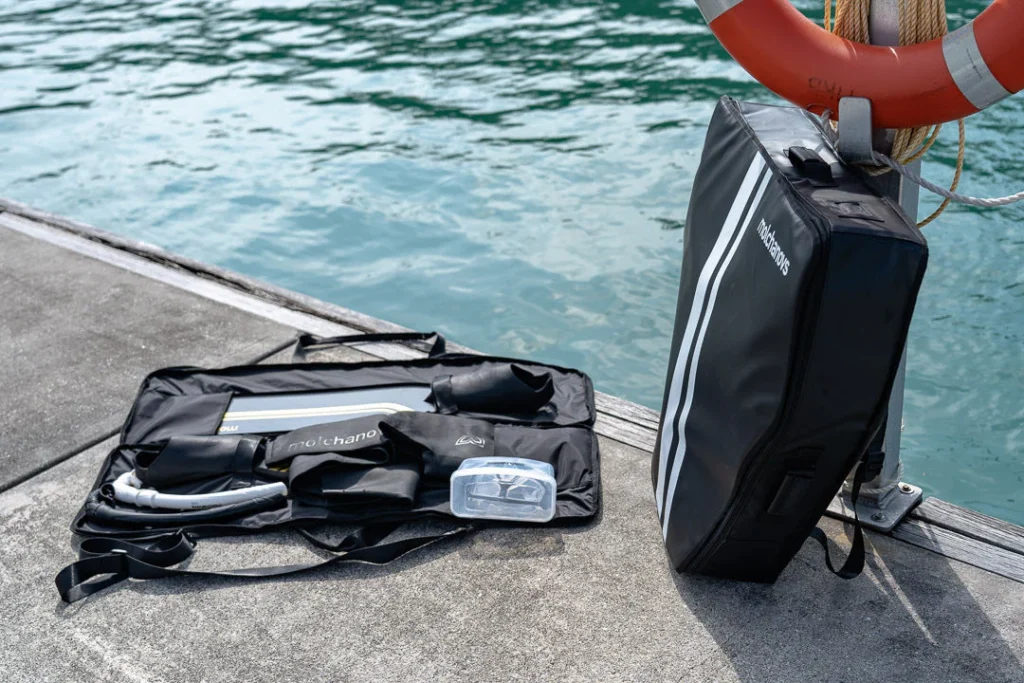
- Hang by the strap or store flat—never lean vertically with weight on the blade
- Keep away from direct sunlight, which degrades rubber compounds
- Avoid extreme temperatures (hot cars are fin killers)
- Don’t stack heavy equipment on top of fins
- Store with blades in natural position, not bent or twisted
Many divers damage fins during storage rather than diving. A blade deformed from improper storage loses efficiency permanently. If your fins develop a curve or twist, they’re compromised. Invest $20 in proper fin hangers or dedicate a flat storage space—it’s cheaper than replacing $200+ fins prematurely.
Inspection and Repair
Regular inspection catches problems before they ruin dives. Before every dive trip, spend 2 minutes examining your scuba fins:
Inspection checklist:
- Check strap condition for cracks, fraying, or brittleness
- Examine buckles for cracks or reduced holding strength
- Inspect blade for splits, tears, or delamination
- Test spring straps for proper tension
- Look for discoloration indicating UV damage
Repairable issues:
- Worn straps: Replace immediately ($10-15)
- Minor scratches: Cosmetic only, don’t affect performance
- Loose buckles: Tighten or replace
- Slight blade warping: Sometimes correctable with careful heat application (Google specific tutorials)
Non-repairable damage requiring replacement:
- Cracked or split blades
- Delaminated composite layers
- Broken foot pockets
- Severe blade deformation
Replacement parts for quality scuba fins are readily available. A $15 strap replacement extends fin life by years and costs far less than new fins.
UV Protection and Material Preservation
Sunlight is the silent killer of scuba fins. UV radiation breaks down rubber and plastic compounds, causing brittleness and failure.
Protection strategies:
- Cover fins with a towel during surface intervals
- Use fin bags or mesh bags that block UV
- Apply 303 Aerospace Protectant every 3-4 months (creates UV barrier)
- Never leave fins exposed on boat decks or beaches for hours
- Store indoors rather than garages or sheds with sun exposure
A $12 bottle of 303 Protectant lasts years and prevents hundreds in premature replacement costs. Think of it as sunscreen for your scuba fins—cheap prevention versus expensive consequences.
Common Scuba Fin Mistakes to Avoid
Learning from others’ errors saves money, frustration, and potentially dangerous situations. Here are the most frequent scuba fin mistakes that even experienced divers make.
Mistake #1: Buying Based on Appearance Rather Than Function
Colorful, stylish scuba fins attract attention in dive shops, but they might not match your diving needs. Manufacturers know aesthetics sell, so they offer fins in multiple colors—but the color has zero impact on performance.
The smart approach: Determine which fin design suits your diving style first, then choose color from appropriate options. Don’t fall in love with how fins look until you’ve verified they match your needs. That sleek carbon fiber blade might be gorgeous, but if you’re an occasional tropical diver, you’re paying for performance you don’t need.
Mistake #2: Ignoring Leg Strength and Fitness Reality
Ego drives divers toward stiff, powerful fins that professional divers use—without acknowledging that professionals dive 200+ times annually and have adapted leg strength. Recent data shows approximately 45% of new divers purchase fins that are too stiff for their current fitness level.
Be honest about your physical capabilities. Struggling with overly stiff scuba fins ruins dives and creates negative associations with an activity that should be enjoyable. You can always upgrade to stiffer fins as your legs strengthen, but you can’t return fins after cramping up repeatedly on vacation dives.
Mistake #3: Neglecting to Test Fins Before Buying
Would you buy shoes without trying them on? Yet many divers purchase scuba fins online without ever testing them. While online deals are tempting, fit issues create expensive mistakes.
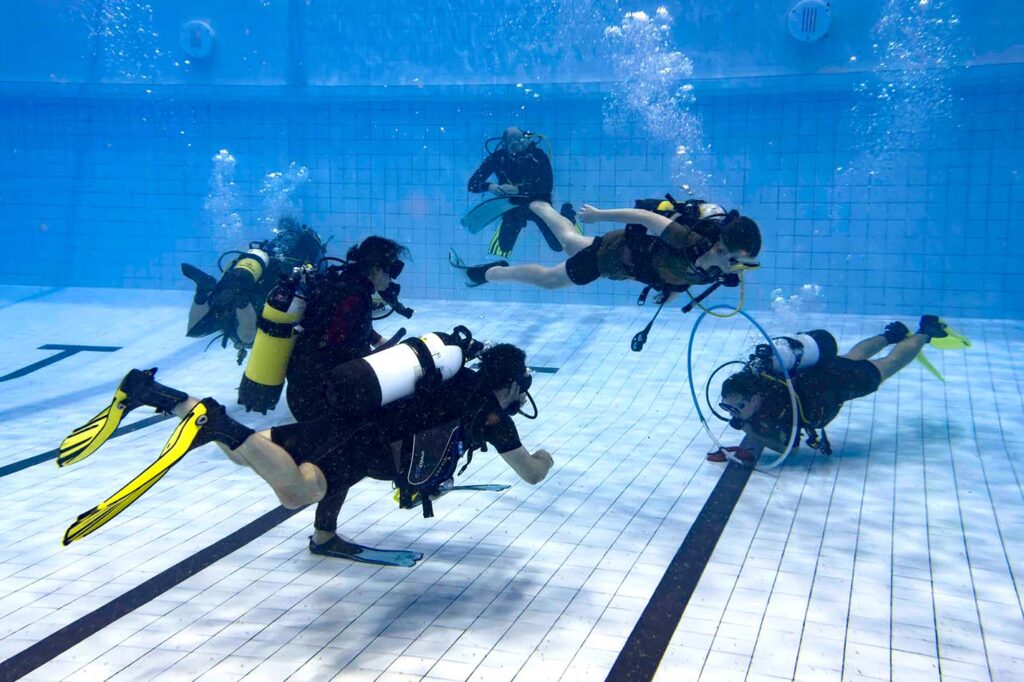
Better strategy: Visit a dive shop to determine your correct size and preferred style in various brands. Take notes on what fits well. Then you can confidently purchase online if you choose, knowing exactly what works for your feet. Many dive shops offer demo fins in their pools—take advantage of this opportunity.
Mistake #4: Mixing Boot and Fin Brands Without Compatibility Check
Not all dive boots fit equally well in all open-heel fins. Boot sole thickness, foot pocket shape, and heel cup design vary between manufacturers. A boot-fin mismatch causes slipping, blisters, or inability to secure the strap properly.
If you already own boots, bring them when fin shopping. If you’re buying both together, test the combination together. Some proven pairs work beautifully (Scubapro boots with Scubapro fins, for instance), while other combinations fight each other.
Mistake #5: Choosing Based on Price Alone
Both extremes cause problems. Buying the cheapest scuba fins available usually means poor materials, inefficient designs, and uncomfortable fit that makes diving unpleasant. Conversely, overspending on premium fins you don’t need wastes money without performance benefits you’ll notice.
The solution: Buy fins appropriate for your diving frequency and environments. Budget fins for occasional vacation diving, mid-range for regular recreational diving, premium for frequent or technical diving. Match expense to actual use.
Mistake #6: Poor Break-In Process
New scuba fins need gradual break-in, similar to hiking boots. Wearing brand-new fins on a week of intensive diving often results in blisters and discomfort.
Proper break-in: Wear new fins in a pool for 30-45 minutes before your dive trip. This identifies any fit issues while you can still return them and allows materials to conform slightly to your feet. The small time investment prevents vacation-ruining problems.
Frequently Asked Questions About Scuba Fins
Q: How long do scuba fins typically last?
A: With proper care, scuba fins last 5-10 years depending on dive frequency and material quality. Polymer fins typically last 5-7 years, while premium composite and carbon fiber fins often exceed 10 years. Factors reducing lifespan include UV exposure, improper storage, and diving in harsh environments. Replace fins when you notice cracks, permanent blade deformation, or strap degradation that affects security.
Q: Are expensive scuba fins worth the investment?
A: Expensive fins are worth it if you dive frequently (50+ times annually), pursue technical diving, or have specific physical needs that premium features address. For occasional vacation divers (5-15 dives yearly), mid-range fins priced $100-180 provide excellent value without overspending. Consider cost-per-dive over the fin’s lifetime rather than upfront price alone.
Q: Can I use snorkeling fins for scuba diving?
A: No. Snorkeling fins are designed for surface swimming and lack the blade stiffness, durability, and propulsion efficiency required for scuba diving. They can’t generate adequate thrust while carrying scuba equipment and won’t handle currents effectively. Attempting to scuba dive with snorkeling fins is uncomfortable, inefficient, and potentially dangerous.
Q: What’s better for beginners: split fins or paddle fins?
A: Paddle fins with medium flexibility are generally better for beginners because they work with all kick techniques, provide better control, and cost less. Split fins reduce effort for flutter kicks but don’t support the alternative kick styles you’ll eventually learn. Start with traditional paddle fins, then consider split fins later if your diving style favors them.
Q: How should scuba fins fit?
A: Open-heel fins should fit snugly with dive boots without painful pressure points, with heels secured by straps that don’t slip. Full-foot fins should grip your heel securely, allow toes to lightly touch the end without cramping, and remain comfortable for 5+ minutes of continuous wear. Your foot shouldn’t slide around inside the pocket, but you should be able to wiggle toes slightly.
Q: Do I need different fins for different water temperatures?
A: Not necessarily. Open-heel fins work across all temperatures because they accommodate different boot thicknesses. However, many divers own both open-heel fins (for temperate/cold water with thick boots) and full-foot fins (for warm tropical water without boots). This dual-fin approach optimizes comfort and travel efficiency across diverse diving conditions.
Q: How do I prevent leg cramps while using scuba fins?
A: Leg cramps usually result from dehydration, fins that are too stiff for your current fitness level, improper kicking technique, or fins that don’t fit correctly. Prevent cramps by staying well-hydrated before diving, choosing fins matched to your leg strength, maintaining slow, efficient kicks rather than rapid flutter kicks, and ensuring proper fin fit without constriction.
Q: Can I fly with scuba fins in carry-on luggage?
A: Most airlines allow scuba fins in carry-on bags, but policies vary and TSA agents have discretion. Full-foot fins usually fit easily in carry-ons, while open-heel fins with longer blades might require checked baggage. Always verify your specific airline’s policies before traveling, and consider compact travel fins if carry-on space is priority.
Q: What’s the difference between scuba fins and freediving fins?
A: Freediving fins have much longer, more flexible blades (often 27-35 inches total length) optimized for vertical ascents and descents with minimal equipment. Scuba fins are shorter (typically 20-26 inches) with stiffer blades designed for horizontal swimming while wearing heavy scuba gear. Using freediving fins for scuba diving is awkward and inefficient due to their extreme length.
Q: How often should I replace my scuba fins?
A: Replace fins when they show signs of structural failure (cracks, splits, delamination), permanent deformation affecting performance, or when newer technology significantly improves your diving experience. With proper maintenance, quality fins don’t require replacement on a set schedule. Some divers use the same fins for 15+ years, while others upgrade every 5-7 years as technology advances.
Q: Are spring straps better than rubber straps on scuba fins?
A: Spring straps offer significant advantages: they maintain consistent tension automatically, never need adjustment, work easily with thick gloves, and last longer than rubber straps. They cost $20-40 but are one of diving’s best simple upgrades. The only downside is slightly more weight, which doesn’t matter for most divers but might concern ultralight travelers.
Q: Should I get open-heel or full-foot fins for warm water diving?
A: Both work well for warm water. Full-foot fins are lighter for travel, more efficient due to direct foot contact, and eliminate the boot expense. Open-heel fins offer adjustability, protect feet during shore entries, and maintain versatility if you later dive in different conditions. Choose full-foot if you exclusively dive warm tropical waters; choose open-heel if you want versatility.
Q: What fin color is most visible underwater for safety?
A: Bright colors (yellow, orange, pink) provide better visibility for buddies and boat crews to track you underwater and during surface intervals. However, color is secondary to proper diving practices. Choose fins that fit and perform well first, then select the brightest color option available if safety visibility is a priority concern.
Q: Can I mix and match fins from different brands with my boots?
A: Yes, but compatibility varies. Test the combination before purchasing to ensure proper fit without pressure points or slipping. Some boot-fin combinations work perfectly, while others fight each other due to different foot pocket shapes or heel cup designs. Matching brands often ensures compatibility but isn’t strictly necessary.
Q: How much should I spend on my first pair of scuba fins?
A: Budget $100-180 for your first quality scuba fins. This price range provides reliable performance, decent materials, and longevity without overspending on features you don’t yet need. Avoid the cheapest fins under $60, which often disappoint with poor efficiency and comfort. You can always upgrade to premium fins later as your diving frequency increases and preferences clarify.
Conclusion: Making Your Scuba Fin Decision
Choosing the right scuba fins transforms diving from an exhausting struggle into the effortless gliding experience that drew you to the sport initially. Remember these key takeaways as you make your decision:
Essential points to remember:
- Fit matters more than any other factor—ill-fitting fins ruin dives regardless of technology or price
- Match fin type and stiffness to your actual diving environment and current fitness level, not aspirational goals
- Open-heel fins offer versatility across conditions, while full-foot fins excel for dedicated warm-water diving
- Quality mid-range fins ($100-250) provide excellent value for most recreational divers
- Proper maintenance extends fin lifespan to 10+ years, making them one of diving’s best equipment investments
As you move forward, start by honestly assessing where and how frequently you’ll dive over the next few years. Test fins at your local dive shop to determine correct sizing and preferred blade style. Read recent reviews from divers with similar experience levels and diving conditions. Then make your purchase confidently, knowing you’ve made an informed decision.
Your scuba fins become an extension of your body underwater, and the right pair feels natural within just a few dives. They’re the equipment that directly enables every underwater experience—from exploring coral gardens to gliding alongside sea turtles to navigating dramatic wreck sites. Invest the time to choose wisely, and your fins will reward you with thousands of comfortable, efficient kicks across countless adventures beneath the waves.
Ready to start your search? Check out our comprehensive reviews of specific scuba diving equipment to help narrow your options, and don’t hesitate to ask questions at your local dive shop. The perfect fins for your diving journey are waiting—now you have the knowledge to find them.