Scuba diving is an exciting and rewarding activity, but it also comes with real risks—especially in the United States, where medical and emergency costs are among the highest in the world. This is why many divers search for clear information about scuba diving insurance cost in the USA before planning a dive trip.
In this detailed guide, you’ll learn what scuba diving insurance actually covers, how much it costs in the US, the difference between short-term and annual plans, and who truly needs dive insurance. This article is written in simple language, practical terms, and with real-world scenarios in mind.
What Does Scuba Diving Insurance Cover?
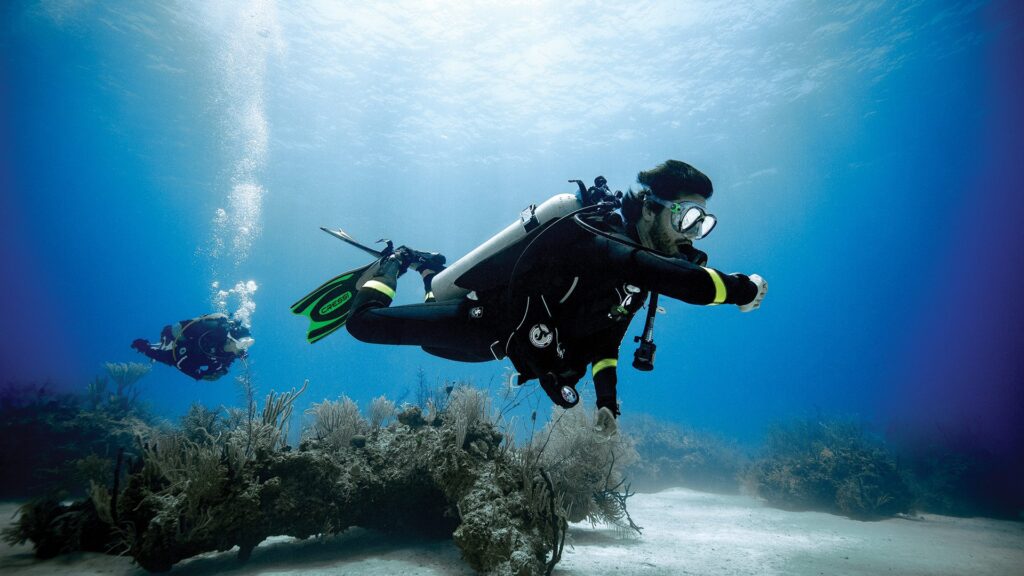
Scuba diving insurance is designed to protect divers from costs that regular health or travel insurance often refuses to pay. Diving is considered a high-risk or extreme sport, which means many standard insurance policies exclude it completely.
Here is what a good scuba diving insurance policy in the USA usually covers.
Diving-Related Medical Emergencies
This includes injuries or illnesses caused directly by diving, such as decompression sickness, arterial gas embolism, lung overexpansion injuries, or underwater accidents. Treatment for these conditions is expensive in the US and often requires specialized care.
Hyperbaric Chamber Treatment
One of the biggest reasons divers buy specific insurance is hyperbaric oxygen therapy. A single hyperbaric chamber session in the USA can cost thousands of dollars, and multiple sessions are often required.
Emergency Medical Evacuation
If a dive accident happens far from a major hospital, emergency evacuation by helicopter or specialized transport may be required. These services can easily cost tens of thousands of dollars without insurance.
Hospitalization and Surgery
Dive insurance may cover hospital stays, surgeries, diagnostic scans, and follow-up treatment directly related to a diving injury.
Accidental Death and Dismemberment
Some policies include compensation in case of fatal accidents or permanent disability related to scuba diving.
Repatriation and Transport
If a diver needs to be transported back home for medical reasons, or in the worst case, repatriation of remains, dive insurance can help cover these costs.
It is important to note that dive insurance usually focuses only on diving-related incidents. It is not meant to replace regular health insurance.
Scuba Diving Insurance Cost in the USA
The cost of scuba diving insurance in the USA depends on several factors, including coverage limits, duration, and the diver’s experience level.
On average, scuba diving insurance costs in the USA fall into the following ranges.
For short-term or daily coverage, prices generally range from around ten to twenty-five dollars per day. These plans are often chosen by travelers who dive occasionally or are on a short vacation.
For annual insurance plans, costs typically range from about one hundred fifty dollars to four hundred dollars per year. Annual plans are more cost-effective for divers who dive multiple times a year or want continuous protection.
Higher-tier plans with extended coverage, technical diving inclusion, or higher evacuation limits may cost more. However, even the most expensive dive insurance plans are far cheaper than paying out-of-pocket for a single diving accident in the United States.
Short-Term vs Annual Scuba Diving Insurance
Choosing between short-term and annual scuba diving insurance depends on how often and how seriously you dive.
Short-Term Scuba Diving Insurance
Short-term plans are designed for divers who dive once or twice a year, usually while traveling. These plans cover you only for a specific number of days.
They are ideal for vacation divers, beginners trying scuba for the first time, or travelers who want temporary protection. Short-term insurance is easy to purchase and often activates quickly.
However, the downside is that if you dive frequently, daily plans become expensive over time. Coverage may also be more limited compared to annual plans.
Annual Scuba Diving Insurance
Annual plans cover you year-round, regardless of how many dives you do. This is the best option for certified divers, instructors, or anyone who dives multiple times a year.
Annual plans usually offer better coverage limits, higher evacuation benefits, and broader protection. They also remove the stress of buying insurance before every trip.
In the long run, annual insurance is cheaper and more reliable for serious divers.
Who Really Needs Scuba Diving Insurance?
Not every diver thinks they need insurance, but in reality, most people who dive in or travel to the USA should strongly consider it.
Certified divers who dive regularly need insurance because repeated exposure increases risk. Even experienced divers can face equipment failure, sudden medical issues, or unpredictable underwater conditions.
Beginner divers are actually at higher risk because of limited experience, buoyancy control issues, and panic-related accidents. For beginners, dive insurance provides peace of mind.
Travelers diving in the USA should be especially careful. Medical costs in the US are extremely high, and many travel insurance policies either exclude scuba diving or limit coverage to very shallow depths.
Professional divers, instructors, and dive guides also need specialized coverage, as standard policies may not apply during instructional or commercial activities.
Even divers who believe they are healthy should remember that diving accidents can happen without warning. Insurance is not about fear—it is about financial protection.
Important Things to Check Before Buying Dive Insurance
Before choosing any scuba diving insurance plan, always read the policy details carefully.
Check the maximum depth coverage. Some policies only cover recreational diving up to a certain depth.
Confirm whether certification is required. Many insurers require proof of training.
Verify if technical diving, night diving, or wreck diving is included if you plan to do those activities.
Look at evacuation limits and hospital coverage amounts. Low limits may not be enough in the US.
Make sure the policy applies worldwide if you travel internationally.
Frequently Asked Questions
Is scuba diving insurance mandatory in the USA?
Scuba diving insurance is not legally mandatory in the USA, but many dive operators strongly recommend it. Some may require proof of insurance for advanced dives.
Does regular health insurance cover scuba diving?
Most US health insurance plans either exclude scuba diving or limit coverage. Even when covered, evacuation and hyperbaric treatment are often not included.
Is travel insurance enough for scuba diving?
Standard travel insurance often has depth limits or excludes diving entirely. Dive-specific insurance is more reliable.
How much does emergency evacuation cost without insurance?
Emergency evacuation by helicopter or medical transport in the USA can cost anywhere from twenty thousand to over one hundred thousand dollars.
Is dive insurance worth it for beginners?
Yes. Beginners are more likely to make mistakes, and insurance offers protection and confidence during training and early dives.
Final Thoughts
Understanding scuba diving insurance cost in the USA is essential for anyone planning to dive safely and responsibly. The cost of insurance is small compared to the potential financial damage caused by a single accident. Whether you choose short-term or annual coverage, having dive insurance ensures that you can focus on enjoying the underwater world instead of worrying about medical bills.
If you dive even once a year, proper insurance is not a luxury—it is a smart decision that protects your health, finances, and peace of mind.
For people planning their first skydiving experience, preparation is just as important as excitement. Understanding what to expect before boarding the plane can reduce anxiety and improve safety. This beginner-focused resource, first-time skydiving guide for beginners, walks readers through training, safety checks, and common mistakes to avoid.