Scuba diving is one of the most thrilling underwater experiences, but depth comes with responsibility — especially when it comes to insurance coverage. Many divers assume they are fully protected, only to find out later that their insurance becomes invalid beyond certain depth limits.
Understanding scuba diving depth limit insurance is essential if you want to dive safely, avoid unexpected medical bills, and stay covered in emergencies.
This guide explains everything clearly — from recreational vs technical depth limits to insurance cutoffs, beginner mistakes, and a safe depth guide every diver should follow.
Recreational vs Technical Diving Depth Limits
Before understanding insurance rules, you must know how diving depth is categorized.
Recreational Diving Depth Limit
Recreational scuba diving is what most tourists and beginners do.
- Maximum depth: 40 meters / 130 feet
- No decompression stops required
- Open Water divers: 18 meters (60 ft)
- Advanced Open Water divers: 30–40 meters
Most standard travel and dive insurance policies only cover recreational diving within this depth range.
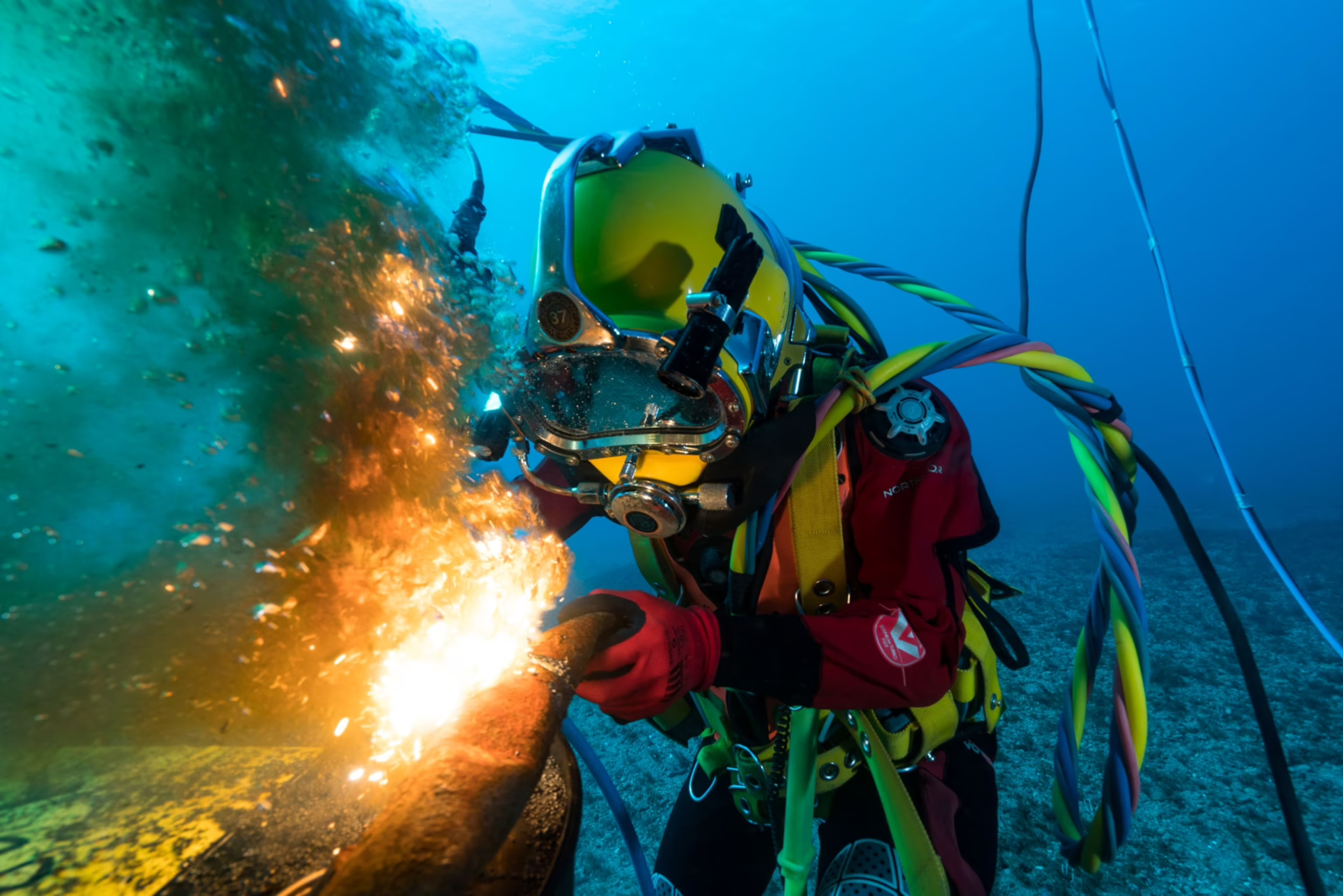
Once you go deeper than this limit, your dive is classified as technical diving, which changes everything.
Technical Diving Depth Limit
Technical diving involves:
- Depths beyond 40 meters
- Decompression stops
- Specialized gas mixes (Nitrox, Trimix)
- Overhead environments or wreck penetration
📌 Important:
Most basic dive insurance policies do NOT cover technical dives unless specifically mentioned.
If you exceed the allowed depth, your insurance provider can legally deny all claims — even if the accident wasn’t caused by depth itself.
Scuba Diving Insurance Cutoff Points (Very Important)
Insurance coverage depends on depth, certification level, and dive type.
Typical Insurance Cutoff Levels
| Dive Type | Depth Limit | Coverage Status |
|---|---|---|
| Discover Scuba | 12 meters | Covered |
| Open Water | 18 meters | Covered |
| Advanced Open Water | 30–40 meters | Covered |
| Technical Diving | 40m+ | ❌ Not covered |
| Cave / Wreck Penetration | Any depth | ❌ Usually excluded |
Most policies clearly mention:
“Coverage applies only to recreational diving within certification limits.”
That means even if you are skilled, insurance follows certification, not experience.
For deeper understanding of diving risks and safety coverage, you can explore this detailed scuba safety resource on
👉 scoobadiveguide
Common Beginner Mistakes That Void Insurance
Many beginners unknowingly make mistakes that invalidate their insurance coverage.
❌ 1. Exceeding Certified Depth
Even going 5–10 meters deeper than allowed can cancel coverage.
❌ 2. Diving Without Proper Certification
Insurance checks certification level during claims.
❌ 3. Ignoring Medical Declarations
Undisclosed medical conditions can void claims.
❌ 4. Diving Without a Certified Instructor
Solo or unapproved dives are often excluded.
❌ 5. Assuming Travel Insurance Covers Diving
Most travel insurance plans exclude scuba diving unless an add-on is purchased.
Safe Depth Guide for Scuba Divers (Recommended)
Here’s a practical depth guide based on safety and insurance coverage:
🟢 Beginners
- Depth: 0–18 meters
- Certification: Open Water
- Insurance: Fully covered
- Risk Level: Low
🟡 Intermediate Divers
- Depth: 18–30 meters
- Certification: Advanced Open Water
- Insurance: Covered (check policy)
- Risk Level: Moderate
🔴 Advanced / Technical Divers
- Depth: 40 meters and beyond
- Certification: Technical / Trimix
- Insurance: Special policy required
- Risk Level: High
👉 If you are planning deeper dives, you should always review insurance terms first.
A detailed breakdown of scuba insurance rules and coverage can be found here:
scuba-diving-insurance-cost-usa
Why Depth Limits Matter for Insurance Claims
Insurance companies assess claims based on:
- Certified depth limit
- Dive profile data
- Computer logs
- Training level
- Dive location
If any of these don’t match the policy conditions, claims may be partially paid or fully rejected.
Real-World Example:
A diver exceeds 40m on a recreational policy → suffers decompression sickness → requires hyperbaric treatment → $20,000+ medical bill not covered.
This is why understanding depth limits is more important than gear quality.
Final Thoughts: Dive Smart, Stay Covered
Scuba diving is safe when done correctly — but insurance rules are strict and non-negotiable.
Key Takeaways:
- Recreational diving is usually covered up to 40m
- Technical diving needs special insurance
- Depth violations can void claims
- Beginners must follow certification limits
- Always check insurance wording before diving
If you’re serious about safe diving and want to avoid costly mistakes, always plan your dive depth around both certification and insurance limits.