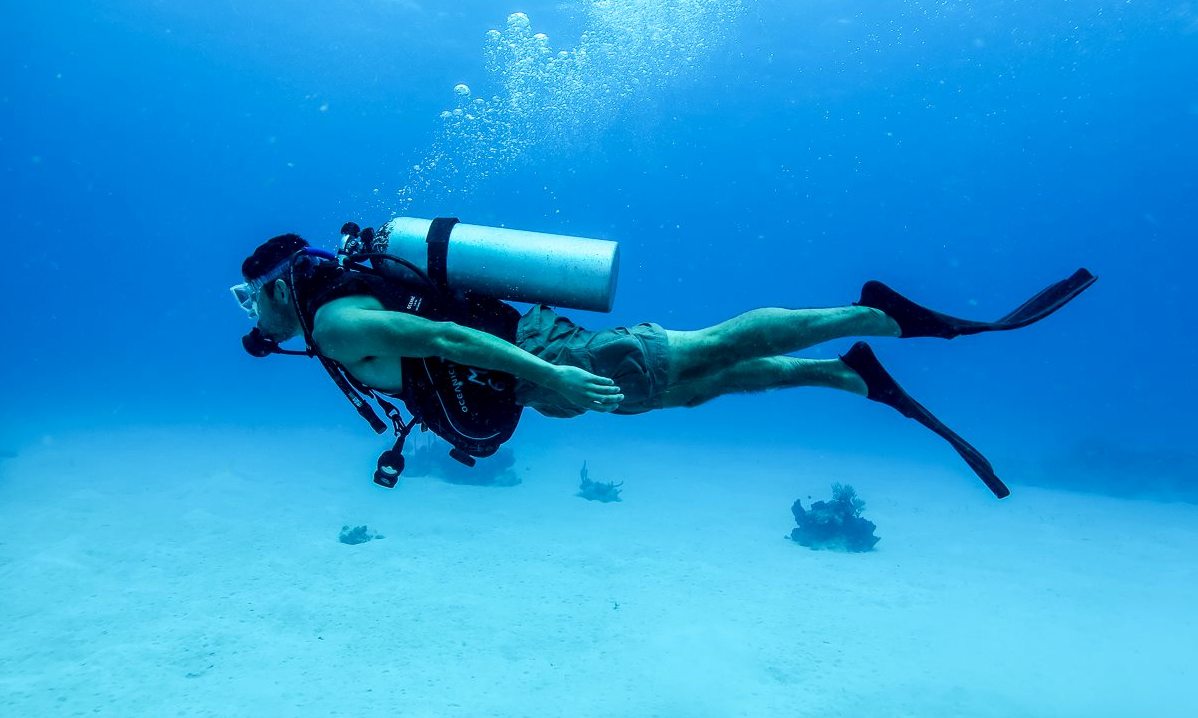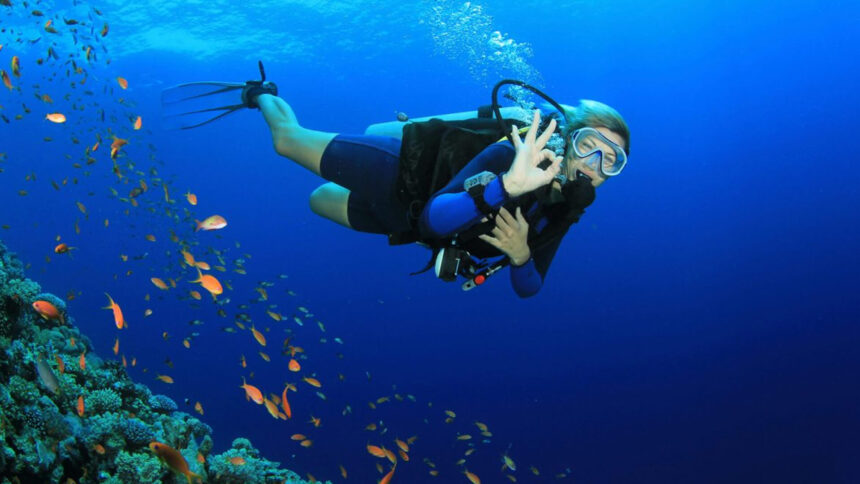
Are you ready to explore the mysterious underwater world that covers 70% of our planet? Whether you’re searching for “scoobadive” to start your diving journey or you’re an experienced diver looking to expand your knowledge, you’ve landed in the right place. Scuba diving transforms you from a surface dweller into an underwater explorer, opening access to coral reefs, shipwrecks, and marine life that most people only see in documentaries.
- Quick Answer: What is Scoobadive (Scuba Diving)?
- Table of Contents
- What is Scoobadive (Scuba Diving)? Understanding the Basics
- Types of Scuba Diving: From Recreational to Technical
- How to Get Started with Scoobadive: Certification Requirements
- Essential Scuba Diving Equipment: Your Complete Gear Guide
- Scoobadive Destinations in India: Where to Learn and Explore
- Best International Diving Destinations for 2026
- Scuba Diving Skills: From Beginner to Advanced Techniques
- Safety Guidelines and Common Concerns
- Cost Breakdown: How Much Does Scoobadive Really Cost?
- Frequently Asked Questions About Scoobadive
- Conclusion: Your Scoobadive Journey Starts Here
Here’s the truth: scuba diving isn’t as difficult or expensive as you might think, and you definitely don’t need to be an Olympic swimmer. In fact, recent data shows that the Asia-Pacific diving industry, including India, experienced significant growth in 2024, with 81% of dive agencies reporting increased interest. This comprehensive scoobadive guide will walk you through everything from taking your first breath underwater to exploring advanced technical diving techniques.
By the end of this article, you’ll understand exactly what scuba diving involves, how to get certified, where to dive in India and globally, what equipment you need, and how to progress from complete beginner to advanced diver. Let’s dive in.
Quick Answer: What is Scoobadive (Scuba Diving)?
Scoobadive refers to scuba diving—an underwater activity using Self-Contained Underwater Breathing Apparatus (SCUBA) that allows you to breathe and explore beneath the water’s surface. Here’s what you need to know:
- Scuba diving uses specialized equipment including a tank, regulator, BCD (buoyancy control device), and fins to breathe compressed air underwater
- You need certification from organizations like PADI, SSI, NAUI, or SDI to dive independently—courses take 4-7 days on average
- It’s safe for most people aged 10 and above who are comfortable in water and pass a basic medical questionnaire
- No advanced swimming required—you only need to swim 200 meters and float for 10 minutes
- Costs in India range from ₹3,000-5,000 for discovery dives to ₹15,000-25,000 for full Open Water certification
- Popular Indian destinations include Andaman Islands (Havelock), Goa, Lakshadweep, Pondicherry, and Netrani Island
Table of Contents
- What is Scoobadive (Scuba Diving)? Understanding the Basics
- Types of Scuba Diving: From Recreational to Technical
- How to Get Started with Scoobadive: Certification Requirements
- Essential Scuba Diving Equipment: Your Complete Gear Guide
- Scoobadive Destinations in India: Where to Learn and Explore
- Best International Diving Destinations for 2026
- Scuba Diving Skills: From Beginner to Advanced Techniques
- Safety Guidelines and Common Concerns
- Cost Breakdown: How Much Does Scoobadive Really Cost?
- Frequently Asked Questions
What is Scoobadive (Scuba Diving)? Understanding the Basics
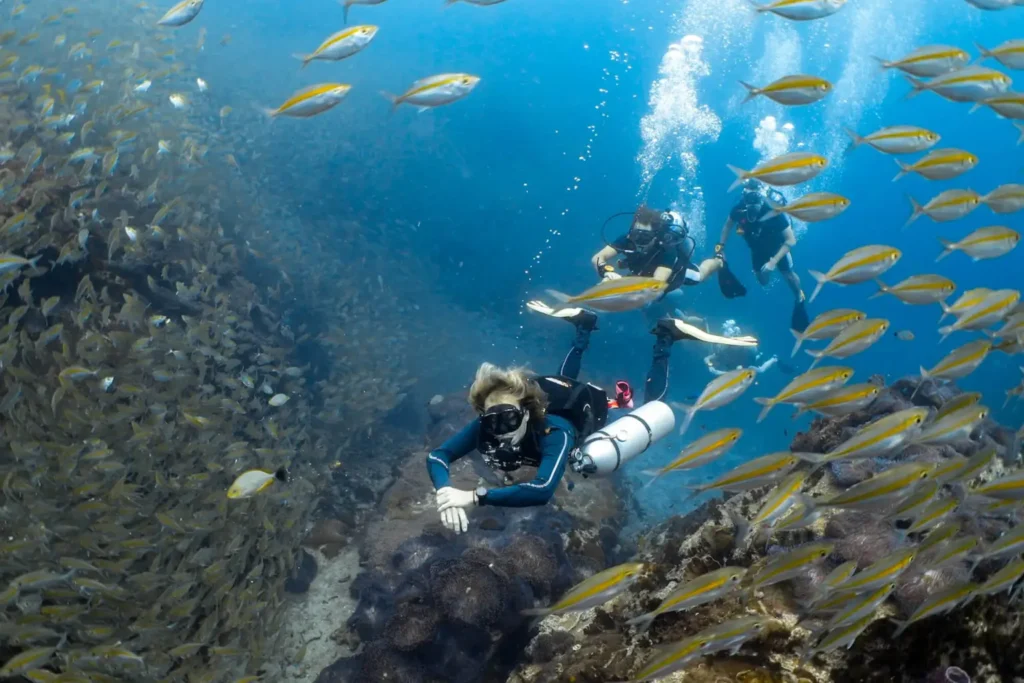
Scoobadive—commonly spelled as scuba dive—stands for Self-Contained Underwater Breathing Apparatus diving. It’s an activity that allows humans to breathe underwater using compressed air stored in tanks, enabling exploration of the underwater world for extended periods.
Unlike snorkeling where you’re limited to the surface, scuba diving lets you descend to depths of 18 meters (60 feet) as a beginner, and up to 40 meters (130 feet) with advanced certifications. You’re weightless, moving in three dimensions like an astronaut in space, surrounded by marine life in their natural habitat.
The magic of scoobadive lies in its accessibility. You don’t need superhero strength or exceptional athletic ability. As of 2026, millions of people worldwide are certified divers, including children as young as 10 years old, senior citizens in their 70s, and individuals with various physical abilities. Adaptive diving techniques make the sport accessible to people with paraplegia, amputations, and other physical challenges.
The science behind scuba diving is fascinating yet simple. Your tank contains compressed atmospheric air (typically 21% oxygen and 79% nitrogen), delivered through a regulator that reduces the high-pressure air to match the surrounding water pressure. This allows you to breathe normally underwater, though you’ll notice your breath sounds louder and feels different than breathing on land.
Modern scuba diving emerged in the 1940s when Jacques Cousteau and Émile Gagnan invented the Aqua-Lung, the first successful open-circuit demand regulator. Since then, technology has evolved dramatically. Today’s dive computers track your depth, time, nitrogen absorption, and decompression limits in real-time, making diving safer and more accessible than ever before.
Types of Scuba Diving: From Recreational to Technical
Scoobadive encompasses several distinct categories, each offering unique experiences and requiring different skill levels:
Recreational Scuba Diving
This is where 95% of divers spend their time. Recreational diving focuses on exploring underwater environments for enjoyment within no-decompression limits. You’ll dive to maximum depths of 40 meters, always with enough air to ascend directly to the surface if needed. Popular recreational diving activities include reef diving, drift diving where currents carry you effortlessly along walls and reefs, and wreck diving to explore sunken ships and aircraft.
Recreational diving is perfect for vacations, weekend trips, and casual underwater exploration. You’ll encounter colorful coral formations, tropical fish, sea turtles, rays, and occasionally larger marine animals like sharks (don’t worry—they’re not interested in divers).
Sport Diving
Sport diving takes recreational diving one step further with competitive elements. Underwater photography and videography competitions, underwater hockey and rugby, and spearfishing (in permitted areas) fall under this category. Sport divers often specialize in specific activities and develop advanced skills in their chosen discipline.
Technical Diving
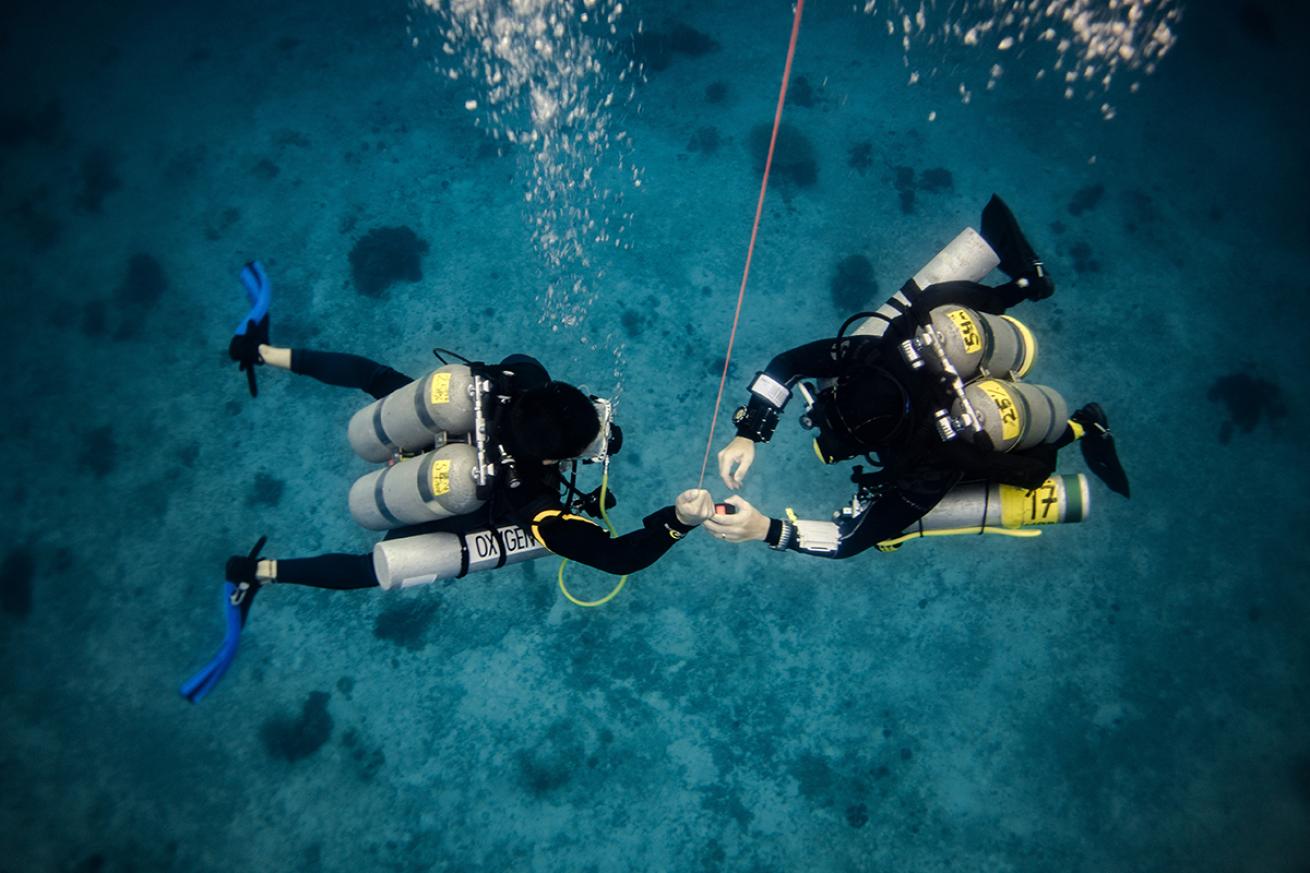
Technical diving pushes beyond recreational limits. These dives involve depths beyond 40 meters, decompression stops on ascent, overhead environments like caves and wrecks where direct ascent isn’t possible, and specialized gas mixtures including trimix and heliox. Technical diving requires extensive training, redundant equipment systems, and meticulous planning.
While technical diving sounds extreme, it’s the frontier of underwater exploration. Technical divers are the ones discovering new cave systems, documenting deep wrecks, and conducting underwater research that advances our understanding of the ocean.
Commercial Diving
Commercial diving is professional work performed underwater. This includes underwater welding and construction, oil rig maintenance, salvage operations, scientific research, and aquarium maintenance. Commercial divers earn income from their diving skills and undergo rigorous training specific to their industry.
For Indian divers interested in career opportunities, the commercial diving industry offers positions with starting salaries ranging from ₹15,000 to ₹75,000 monthly, plus commissions from equipment sales and training.
How to Get Started with Scoobadive: Certification Requirements
Let’s address the elephant in the room: you cannot legally scuba dive without certification. While you might hear about tourist “discovery dives” that don’t require certification, obtaining your official scuba certification is the gateway to independent diving anywhere in the world.
Choosing Your Certification Agency
Multiple organizations issue scuba certifications, and all are internationally recognized. The major agencies include:
PADI (Professional Association of Diving Instructors): The world’s largest certification agency with over 6,800 dive centers globally. PADI emphasizes standardized training and has the most widespread recognition.
SSI (Scuba Schools International): Known for flexible teaching methods and strong online learning platforms. SSI allows instructors to adapt training sequences to individual student needs.
NAUI (National Association of Underwater Instructors): One of the oldest agencies, founded in 1960. NAUI focuses on diver independence and thorough skill development.
SDI (Scuba Diving International): Part of the TDI/SDI/ERDI family, SDI offers recreational certifications with pathways to technical diving.
The truth is, your instructor matters more than the agency. A passionate, patient instructor from any of these organizations will provide excellent training. When choosing, consider the availability of dive centers in your area and where you plan to dive most frequently.
The Open Water Diver Course: Your First Certification
The Open Water Diver certification is your entry ticket to the underwater world. This course takes 4-7 days on average and consists of three components:
Knowledge Development teaches you diving theory through manuals, videos, or eLearning modules. You’ll learn about dive physics, physiology, equipment, dive planning, and safety procedures. Modern courses offer online learning, allowing you to complete this portion at your own pace before arriving at the dive center.
Confined Water Training takes place in a swimming pool or shallow, calm water. Here you’ll practice essential skills in a controlled environment. You’ll learn to assemble and disassemble your equipment, clear water from your mask underwater, recover your regulator if it comes out of your mouth, achieve neutral buoyancy, and perform emergency procedures.
Open Water Dives are the real deal—four dives in actual ocean, lake, or quarry environments. You’ll apply the skills learned in the pool while experiencing the thrill of breathing underwater in nature. These dives typically reach depths of 12-18 meters.
Upon completion, you’re certified to dive to 18 meters with a buddy. Your certification is valid for life, though you’ll need to stay current with practice dives and potentially complete refresher courses if you haven’t dived in over 18 months.
Prerequisites and Requirements
Before enrolling in a scuba diving course, ensure you meet these basic requirements:
Age Requirements: Minimum 10 years old for Junior Open Water Diver (limited to 12 meters), and 15 years old for full Open Water Diver certification. There’s no maximum age—diving is a lifelong sport.
Swimming Ability: You don’t need to be Michael Phelps. You must swim 200 meters continuously using any stroke (or 300 meters with mask, fins, and snorkel), and float or tread water for 10 minutes without assistance. Many Indians who cannot swim confidently learn basic swimming alongside their diving course.
Medical Clearance: Review the PADI Medical Statement before enrolling. Certain conditions require physician approval, including asthma, heart conditions, diabetes, epilepsy, and recent surgeries. In some countries, including parts of India, a physician’s signature is mandatory regardless of health status.
Mental Preparation: Scuba diving is remarkably safe, but you must follow rules and remain calm underwater. If you’re extremely anxious in water, consider a Discover Scuba Diving experience (2-3 hours) before committing to the full certification course.
Essential Scuba Diving Equipment: Your Complete Gear Guide
Understanding your scoobadive equipment removes mystery and builds confidence. Modern scuba gear is remarkably reliable, engineered with multiple redundancies for safety. Let’s break down each component:
The Life Support System
Scuba Tank (Cylinder): Stores compressed air at pressures around 200-300 bar (3,000-4,500 PSI). Standard aluminum tanks hold 10-12 liters and provide 45-60 minutes of dive time at recreational depths. Steel tanks are heavier but more durable and negatively buoyant.
Regulator: The regulator is your lifeline underwater. It reduces high-pressure air from the tank to ambient pressure, allowing you to breathe normally. A regulator consists of two stages—the first stage attaches to the tank valve and reduces pressure initially, while the second stage (the mouthpiece) delivers air on demand when you inhale. Quality regulators also include an octopus (alternate second stage) for sharing air in emergencies.
Buoyancy Control Device (BCD): This inflatable vest allows you to achieve neutral buoyancy underwater and positive buoyancy at the surface. You add air by pressing a button connected to your tank, and release air through dump valves. The BCD also holds your tank, has pockets for accessories, and includes attachment points for equipment.
Vision and Propulsion
Diving Mask: Creates an air space in front of your eyes, enabling clear vision underwater. The human eye cannot focus in water—a mask solves this problem. Quality masks use tempered glass lenses and silicone skirts for comfort and durability. The mask must encompass your nose to allow equalization. Low-volume masks are easier to clear if water enters.
To prevent fogging, apply defog solution before each dive. Many experienced divers use diluted baby shampoo, toothpaste, or even saliva as natural anti-fog solutions.
Fins: Provide powerful propulsion with minimal effort. Fins come in two styles—full-foot fins (like slippers) for warm water diving, and open-heel fins with straps, worn with booties, for cold water or shore diving. Longer, stiffer fins generate more power but require stronger leg muscles. Shorter, more flexible fins are easier for beginners.
Snorkel: Allows surface swimming without depleting tank air. While not used during the actual dive, a snorkel is essential for conserving energy and air when swimming to and from dive sites.
Exposure Protection
Water conducts heat 25 times faster than air, making thermal protection crucial even in tropical destinations.
Wetsuits: Made from neoprene foam with tiny gas bubbles that provide insulation. Thickness ranges from 1mm for tropical waters (28°C+) to 7mm for cold water diving (below 15°C). Wetsuits work by trapping a thin layer of water against your skin, which your body heats—hence “wet” suit.
Drysuits: For water below 15°C, drysuits keep you completely dry with sealed wrist and neck closures. You wear warm clothing underneath and add air to the suit for insulation and buoyancy.
Rash Guards: Lightweight lycra or synthetic fabric providing sun protection and minor abrasion protection in warm water.
Instruments and Accessories
Dive Computer: The most important investment after basic gear. Dive computers track depth, time, nitrogen absorption, ascent rate, safety stops, and surface interval. They calculate no-decompression limits in real-time and warn you if you’re diving dangerously. Modern computers cost ₹15,000-80,000 depending on features.
Weights and Weight Belt: Counteract the buoyancy of your wetsuit and body fat. Proper weighting is crucial—too heavy and you’ll sink uncontrollably, too light and you’ll struggle to descend. As a beginner, your instructor will help determine correct weight amounts.
Dive Light: Essential for night diving and exploring wrecks or caves. Even daytime reef dives benefit from lights, which restore red colors that water filters out.
Gear Purchasing Strategy for Indian Divers
As a new diver, don’t rush to buy everything immediately. Most dive centers provide complete rental equipment during courses and fun dives. However, purchasing your own mask, fins, snorkel, and booties early makes sense—these are personal items that must fit perfectly for comfort and performance.
Expect to invest ₹8,000-15,000 for quality mask, fins, snorkel, and booties. Buy from reputable dive shops where staff can ensure proper fit. Online shopping risks incorrect sizing and limited after-sales support.
For regulators, BCDs, and computers, wait until you’ve completed 15-20 dives and understand your diving preferences. A full personal equipment setup costs ₹80,000-2,00,000 depending on brand and quality.
Scoobadive Destinations in India: Where to Learn and Explore
India’s 8,000-kilometer coastline and island territories offer remarkable scoobadive opportunities, from pristine coral reefs to historic shipwrecks. The diving industry in India is experiencing significant growth, with the Asia-Pacific region showing strong projections through 2026.
Andaman and Nicobar Islands: India’s Premier Dive Destination
The Andaman Islands, particularly Havelock Island (officially Swaraj Dweep) and Neil Island, are India’s crown jewels for scuba diving.
Why Choose Andamans: Crystal-clear waters with visibility reaching 20-30 meters, healthy coral reefs with hard and soft corals in every color imaginable, diverse marine life including manta rays, turtles, reef sharks, and colorful reef fish, and water temperatures of 27-30°C year-round requiring only 3mm wetsuits.
Top Dive Sites: Dixon’s Pinnacle features massive underwater rock formations covered in soft corals and frequent sightings of barracuda schools. Lighthouse showcases wall diving with dramatic drop-offs and swim-throughs. Johnny’s Gorge offers canyon-like topography with excellent macro life for underwater photographers. Minerva Ledge provides drift diving along a coral ridge with pelagic fish and rays.
Best Time: October to May offers the best conditions with calm seas and excellent visibility. Monsoon season (June-September) brings rougher conditions and limited diving operations.
Certification Costs: Open Water Diver certification in Havelock ranges from ₹18,000-28,000 including all equipment, boat fees, and certification materials. Dive centers like DIVEIndia and Barefoot Scuba maintain excellent reputations with small class sizes and unlimited confined water practice.
Many dive centers offer frame huts—basic budget accommodation within resort premises—at ₹400-600 per night, making certification affordable for Indian divers.
Goa: Vibrant Diving with Party Atmosphere
Goa combines beach culture, nightlife, and accessible scuba diving. The Arabian Sea coastline offers interesting dive sites suitable for beginners and experienced divers alike.
Dive Highlights: Grande Island features pinnacle diving, coral gardens, and historic wrecks including the Suzy’s Wreck at 9 meters. Netrani Island (technically Karnataka, but commonly accessed from Goa) offers India’s best visibility outside the Andamans with depths to 40 meters. Abundant marine life includes triggerfish, parrotfish, moray eels, and occasional whale sharks (October-November).
Practical Information: Discovery dives start from ₹3,000, while Open Water certification costs ₹20,000-30,000. Goa’s dive season runs October through May, with peak season December through February bringing crowds but calm seas.
Goa works well for travelers combining diving with cultural exploration, nightlife, and beach relaxation. It’s also India’s most accessible dive destination with excellent flight connections and accommodation options for every budget.
Lakshadweep: Remote Tropical Paradise
Lakshadweep, India’s smallest union territory, comprises 36 coral islands with pristine reefs rivaling the Maldives. However, access is restricted to Indian citizens and requires special permits.
Diving Features: Untouched coral reefs with exceptional health, clear turquoise waters with 30+ meter visibility, diverse pelagic species including tuna, barracuda, and eagle rays, and limited human impact creating abundant marine life.
Accessibility Challenges: Permits required through government-approved tour operators, limited diving infrastructure compared to Andamans, expensive package tours (₹50,000-1,00,000 for week-long trips), and seasonal access restricted to October-May.
Lakshadweep appeals to experienced divers seeking pristine conditions and willing to invest in exclusive access.
Pondicherry: East Coast Diving Hub
Pondicherry on India’s southeastern coast offers the country’s only significant diving on the Bay of Bengal side. The diving landscape differs from western coasts with artificial reefs, rocky formations, and interesting macro life.
Notable Sites: Temple Reef features submerged temple ruins creating artificial reef structures. The Hole presents a cavern dive for adventurous divers. Aravind’s Wall offers vertical wall diving to 25 meters.
Marine Life: Jack fish, sea snakes, manta rays, fan corals, nudibranchs for macro photography, and reef fish adapted to east coast conditions.
Season: February-April and September-November provide the best conditions. Summer months (May-June) bring reduced visibility, while monsoon (July-August) can shut down operations.
Certification costs ₹15,000-25,000. Pondicherry works well for divers in southern India seeking convenient access without flying to distant islands.
Netrani Island (Pigeon Island), Karnataka
Located 10 kilometers off Murudeshwar, Netrani is Karnataka’s premier dive site. This tiny heart-shaped island punches above its weight with clear waters and impressive marine biodiversity.
Diving Characteristics: Visibility frequently reaches 15-20 meters, depths range from 5 to 40 meters accommodating all skill levels, rock formations and pinnacles create interesting topography, and whale sharks occasionally visit during October-January.
Marine encounters include butterflyfish, triggerfish, groupers, moray eels, barracuda schools, and reef sharks.
Accessibility: Murudeshwar has good road and rail connections from Bangalore (8 hours) and Goa (5 hours). Day trips from Murudeshwar include boat transfer, 2-3 dives, and meals for ₹5,000-8,000.
Tarkarli, Maharashtra
Tarkarli near Sindhudurg Fort offers Maharashtra’s best diving. The Arabian Sea waters here feature clear visibility and healthy coral growth along the Konkan coast.
Dive Style: Primarily guided recreational dives from Dandi Beach, coral formations at 5-15 meter depths, calm waters suitable for beginners, and colorful reef fish including angelfish and butterflyfish.
Practical Details: Discovery dives cost ₹3,000-4,000, while full certification courses run ₹18,000-24,000. Best diving season is October through April. Tarkarli works perfectly for weekend trips from Mumbai (approximately 7 hours by road).
Best International Diving Destinations for 2026
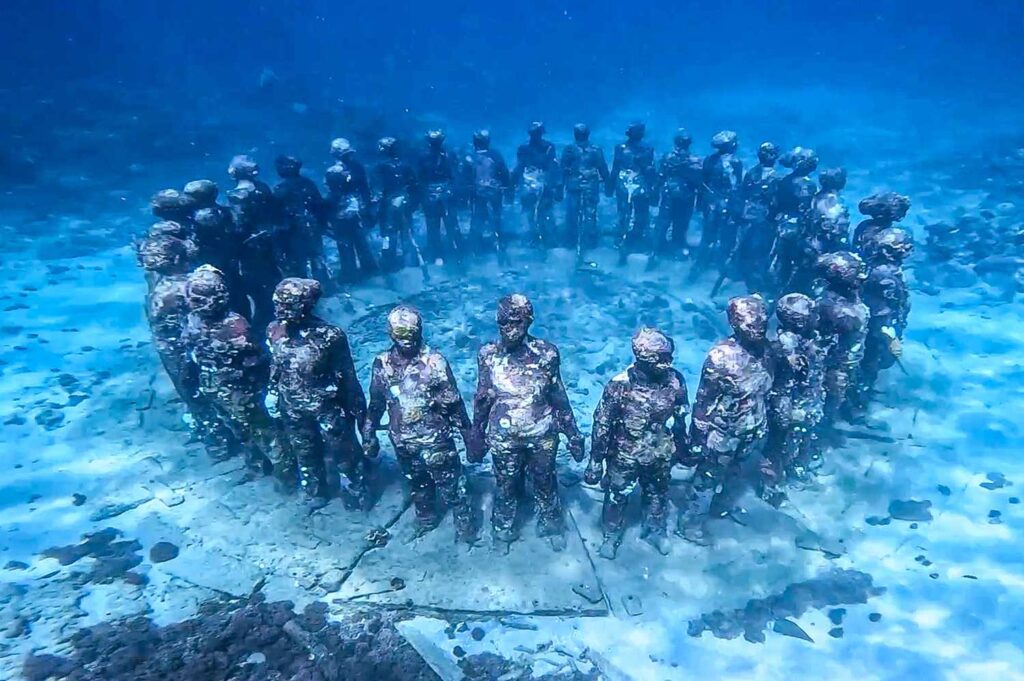
Once you’re certified, the entire underwater world becomes accessible. Here are premier international scoobadive destinations worth adding to your bucket list:
Southeast Asia: Affordable Paradise
Thailand: Similan Islands, Koh Tao, and Koh Phi Phi offer world-class diving with exceptionally affordable costs. Open Water certification in Koh Tao costs $300-400 (₹25,000-33,000), similar to India but with better infrastructure. Whale sharks, manta rays, and leopard sharks are regular encounters.
Indonesia: Raja Ampat has the highest marine biodiversity on Earth with over 1,500 fish species. Komodo National Park combines diving with dragon viewing. Bali provides convenient diving near cultural attractions and excellent food.
Philippines: Over 7,000 islands create endless dive opportunities. Tubbataha Reefs, Apo Reef, and Moalboal offer big animal encounters. Budget-friendly with English widely spoken and numerous dive resorts catering to all budgets.
Maldives: Luxury Diving
The Maldives offers resort-style diving with encounters with manta rays, whale sharks, hammerhead sharks (seasonal), healthy coral reefs, and crystal-clear waters. Liveaboard dive safaris provide the best value, visiting remote atolls away from resort areas. Expect ₹1,50,000-3,00,000 for week-long liveaboard trips.
Red Sea: Historic Diving Destination
Egypt’s Red Sea created the recreational diving industry in the 1970s and remains exceptional. Sharm el-Sheikh, Dahab, and Hurghada offer incredible value—you can complete Open Water certification for $250-350 (₹20,000-30,000) including accommodation.
The Red Sea features colorful coral gardens, historic wrecks including the SS Thistlegorm, diverse marine life, and warm water year-round. It’s accessible, affordable, and offers excellent training for new divers.
Caribbean: Tropical Ease
Cozumel (Mexico), Bonaire, and Cayman Islands provide easy shore diving, gentle currents perfect for beginners, spectacular wall diving, and English-speaking dive operations. The Caribbean costs more than Southeast Asia but offers ultimate convenience with U.S.-standard infrastructure.
Advanced Destinations
For technical and advanced divers, consider Palau for pristine reefs and blue holes, Galápagos for big animal encounters including hammerheads, Cocos Island (Costa Rica) for schooling hammerheads and whale sharks, and Antarctica for diving the coldest waters on Earth (yes, people dive there).
Scuba Diving Skills: From Beginner to Advanced Techniques
Mastering scoobadive requires developing specific skills progressively. Here’s what you’ll learn at each level:
Fundamental Skills (Open Water Diver)
Buoyancy Control: The single most important diving skill. Neutral buoyancy means you neither sink nor float—you hover weightlessly at any depth. This protects delicate coral reefs, conserves your air, and makes diving effortless. Beginners often struggle with buoyancy, using too much energy finning up and down, but it becomes natural with practice.
Equalization: As you descend, increasing water pressure compresses the air spaces in your ears and sinuses, causing discomfort. Equalization adds air to these spaces by pinching your nose and gently blowing. You’ll equalize every 1-2 meters during descent—early and often is the rule.
Mask Clearing: Water sometimes seeps into your mask. Clearing involves tilting your head back, pressing the top of the mask, and exhaling through your nose to push water out the bottom seal. This seems scary initially but becomes automatic quickly.
Regulator Recovery: If your regulator comes out of your mouth, reach back over your right shoulder with your right arm and sweep forward—you’ll catch the hose. Alternatively, purge your octopus (backup regulator) and use it.
Emergency Ascent: If you run out of air, you share your buddy’s octopus while ascending together in a controlled manner. You’ll practice this skill until it’s second nature.
Intermediate Skills (Advanced Open Water Diver)
After Open Water, the Advanced Open Water course expands your capabilities:
Deep Diving: Training to 30 meters requires understanding nitrogen narcosis (the “rapture of the deep”), increased air consumption, and decompression considerations. You’ll learn to monitor your computer carefully and plan dives conservatively.
Navigation: Underwater navigation using compass headings and natural references allows you to explore independently and return to exit points accurately. You’ll learn to navigate square patterns, triangles, and straight-line courses.
Peak Performance Buoyancy: Fine-tuning buoyancy control to hover motionless, photograph subjects without disturbing them, and glide effortlessly through the water column.
Night Diving: Everything looks different after dark. Marine life you never see during the day emerges—octopus hunting, Spanish dancers (colorful sea slugs), and bioluminescent plankton. Night diving requires lights, careful navigation, and awareness.
Wreck Diving: Exploring sunken ships and aircraft teaches penetration limits, overhead environment awareness, and respecting historical sites.
Advanced and Specialty Skills
Rescue Diver: This challenging course teaches emergency management, rescuing panicked or unconscious divers, providing oxygen, and managing dive accidents. Rescue Diver certification is deeply rewarding and dramatically improves your water skills.
Enriched Air (Nitrox): Breathing gas with higher oxygen content (32-36% instead of 21%) reduces nitrogen absorption, allowing longer bottom times. Nitrox certification is quick (1 day) and immediately useful.
Drift Diving: Letting currents carry you along walls and reefs creates effortless diving and access to sites impossible to reach otherwise.
Ice Diving: Diving beneath frozen lakes and seas requires specialized training, drysuits, and complete trust in your equipment and team.
Cave Diving: The ultimate challenge requiring technical diving skills, specialized equipment, and extensive training. Cave diving fatalities occur regularly among untrained divers—never attempt without proper certification.
Safety Guidelines and Common Concerns
Scuba diving is statistically safer than driving, with approximately 3-4 deaths per 100,000 participants annually. However, diving involves inherent risks that require respect and adherence to safety protocols.
The Golden Rules of Scoobadive Safety
Never Hold Your Breath: The most critical rule. As you ascend, decreasing water pressure causes air in your lungs to expand. Holding your breath can cause lung overexpansion injuries (pulmonary barotrauma), potentially fatal arterial gas embolism, or pneumothorax (collapsed lung). Always breathe normally—continuous, relaxed breathing.
Plan Your Dive, Dive Your Plan: Before every dive, agree with your buddy on maximum depth, bottom time, air reserves, and emergency procedures. Stick to your plan. If something changes, surface and replan.
Always Dive with a Buddy: The buddy system ensures someone can help if problems occur. Buddies conduct pre-dive safety checks, monitor each other during dives, and share air in emergencies. Solo diving is an advanced specialty requiring redundant equipment and extensive training.
Ascend Slowly: Never exceed 9 meters (30 feet) per minute ascent rate. Most computers require 3-5 minute safety stops at 5 meters before surfacing, even on no-decompression dives. Slow ascents allow excess nitrogen to off-gas gradually, preventing decompression sickness.
Monitor Your Air Supply: Check your pressure gauge frequently. Never surface with less than 50 bar (700 PSI) reserve. Running out of air underwater creates panic and dangerous situations.
Understanding Decompression Sickness (DCS)
Decompression sickness, commonly called “the bends,” occurs when dissolved nitrogen forms bubbles in your tissues and bloodstream during or after diving. Symptoms range from mild joint pain to paralysis or death in severe cases.
Preventing DCS requires following no-decompression limits, making slow ascents with safety stops, avoiding flying for 18-24 hours after diving, staying well hydrated, and not drinking alcohol before or between dives. If DCS symptoms appear (joint pain, numbness, tingling, dizziness, confusion), seek immediate medical attention. Treatment requires recompression in a hyperbaric chamber—delay can cause permanent injury.
Nitrogen Narcosis: Getting “Narced”
Below 30 meters, nitrogen acts as a narcotic, impairing judgment and causing euphoria, confusion, or fear. Divers describe narcosis as feeling drunk or “narced.” Effects vary individually—some divers feel minimal impact at 40 meters while others experience significant impairment at 25 meters.
Managing narcosis requires recognizing symptoms (difficulty focusing, slowed reactions, poor decisions), ascending 5-10 meters to reduce effects, and avoiding deep diving when tired or stressed. Technical divers use helium-based gas mixtures to eliminate narcosis on very deep dives.
Common Beginner Concerns
“I’m claustrophobic—can I dive?” Many claustrophobic individuals dive successfully. The open water environment usually feels less confining than enclosed spaces. Try a Discover Scuba Diving experience in a pool to test your comfort level before committing to full certification.
“What if I panic underwater?” Proper training prevents panic. You’ll practice every skill repeatedly in controlled conditions before real dives. If you feel anxious underwater, stop, breathe slowly, and signal your buddy. You can ascend at any time—there’s no pressure to continue.
“How do I deal with marine animal encounters?” Almost all marine animals ignore divers or flee when approached. Sharks, barracudas, and eels look intimidating but are not interested in humans. Never touch, chase, or harass marine life. Maintain respectful distance and observe passively.
“What if my equipment fails?” Modern scuba equipment is exceptionally reliable with multiple redundancies. Regulators have two second stages (primary and octopus). BCDs have both manual and automatic inflation. Tanks undergo regular inspections. Equipment failures are rare, and your training prepares you to handle them calmly.
Dive Insurance: Essential Protection
Dive accidents require hyperbaric chamber treatment costing ₹2,00,000-10,00,000. Regular travel insurance typically excludes scuba diving. Purchase diving-specific insurance from organizations like DAN (Divers Alert Network) or DAN Europe.
Annual dive insurance costs approximately ₹3,000-8,000 and covers emergency medical treatment, hyperbaric chamber fees, evacuation from remote locations, and medical transport home if necessary. DAN Europe offers short-term dive insurance specifically for dive vacations.
Cost Breakdown: How Much Does Scoobadive Really Cost?
Understanding the complete financial picture helps you budget realistically for your diving journey.
Certification Costs in India
Discover Scuba Diving (Trial experience): ₹3,000-5,000 for 2-3 hours including pool or shallow water session, basic instruction, and complete equipment rental.
PADI Open Water Diver (Full certification): ₹15,000-28,000 depending on location and dive center quality. This includes instructor fees, all equipment rental, boat fees, certification card processing, and training materials. Andaman Islands: ₹18,000-28,000, Goa: ₹20,000-30,000, Pondicherry: ₹15,000-25,000, Lakshadweep: Included in package tours (₹50,000-1,00,000 total).
Advanced Open Water Diver: ₹12,000-20,000 when completed immediately after Open Water with the same center. Stand-alone costs ₹15,000-25,000.
Specialty Courses (Nitrox, Deep Diver, Wreck, Night): ₹8,000-15,000 each
Rescue Diver: ₹18,000-30,000 including Emergency First Response (CPR) training
Divemaster (Professional level): ₹65,000-1,00,000 for full training
International Certification Costs
Southeast Asia (Thailand, Indonesia, Philippines): $250-400 (₹21,000-33,000) for Open Water
Egypt (Red Sea): $250-350 (₹21,000-30,000)
Maldives: $450-700 (₹37,000-58,000)—resort markup significantly increases costs
Caribbean: $400-600 (₹33,000-50,000)
Australia (Great Barrier Reef): $500-800 (₹42,000-66,000)
Ongoing Diving Costs
After certification, each dive incurs costs:
Fun Dives in India: Single dive: ₹2,500-4,000, two-tank morning dive trip: ₹4,500-7,000, full day diving (3 dives): ₹7,000-10,000. These prices include equipment rental, boat fees, guide services, and sometimes meals.
Liveaboard Dive Trips: Multi-day boat trips maximize diving with 3-4 dives daily. India offers limited liveaboard options, primarily in the Andamans at ₹25,000-45,000 for 3-4 days. International liveaboards: Southeast Asia: ₹70,000-1,50,000 weekly, Maldives: ₹1,50,000-3,50,000 weekly, Red Sea: ₹80,000-2,00,000 weekly.
Equipment Purchase Costs
Beginner Package (mask, fins, snorkel, booties): ₹8,000-15,000
Wetsuit: ₹6,000-25,000 depending on thickness and quality
BCD: ₹25,000-60,000
Regulator Set (first stage, two second stages, pressure gauge, compass): ₹30,000-80,000
Dive Computer: ₹15,000-80,000 (basic to advanced features)
Complete Personal Setup: ₹80,000-2,00,000 for quality equipment
Most recreational divers in India continue renting major equipment (BCD, regulator, tank) while owning personal items (mask, fins, wetsuit, computer). This approach balances cost, convenience, and travel ease.
Hidden Costs to Consider
Medical Clearance: ₹500-2,000 if physician examination required
Logbook and Accessories: ₹500-1,500
Underwater Camera: ₹3,000-2,00,000+ (basic action cameras to professional housings)
Travel to Dive Sites: Flights, accommodation, meals vary widely
Dive Insurance: ₹3,000-8,000 annually
Equipment Service: ₹2,000-5,000 annually for regulator and BCD servicing
Budget-Friendly Diving Strategies
Learn to dive in India rather than abroad—similar quality at lower costs. Choose Goa or Pondicherry over Andamans if budget constrained. Take advantage of package deals combining accommodation and diving. Complete Advanced Open Water immediately after Open Water for discounts (30-50% savings). Bring your own mask, fins, and snorkel to avoid daily rental fees (₹300-500/day savings). Dive during shoulder season (October-November, March-April) for lower accommodation costs. Consider becoming a Divemaster if planning extensive diving—many dive centers offer free accommodation and diving in exchange for assistance.
Frequently Asked Questions About Scoobadive
Q: Can non-swimmers do scuba diving? A: Yes, but with limitations. Discover Scuba Diving experiences accommodate non-swimmers with close instructor supervision in shallow water. However, full certification requires basic swimming ability—200 meter continuous swim and 10 minutes floating/treading water. Many dive centers in India offer basic swimming lessons alongside diving courses.
Q: Is scuba diving dangerous for people with asthma? A: Asthma requires careful evaluation. Well-controlled asthma with no exercise-induced symptoms may be cleared by physicians specializing in dive medicine. Uncontrolled asthma or history of severe attacks typically disqualifies candidates due to risk of bronchospasm underwater. Consult a dive physician before enrolling in courses.
Q: How deep can beginners dive? A: Open Water Divers are certified to maximum 18 meters (60 feet). Advanced Open Water extends this to 30 meters (100 feet). Deeper diving requires technical training. Most recreational diving occurs in the 12-25 meter range where marine life is most abundant and air consumption reasonable.
Q: Do I need to know how to swim to scuba dive? A: Basic swimming ability is required for certification. You must complete a 200-meter swim using any stroke (or 300 meters with mask, fins, snorkel) and float/tread water for 10 minutes. You don’t need perfect technique—functional water comfort suffices. Underwater, you’ll wear fins making propulsion easy.
Q: Can people with glasses scuba dive? A: Absolutely. You have three options: wear contact lenses with your mask (many divers do this successfully), purchase a mask with prescription lenses (₹3,000-8,000), or wear a mask that fits over glasses (less common). Consult your eye doctor about contact lens use underwater.
Q: What is the minimum age for scuba diving? A: Children as young as 10 can earn Junior Open Water certification (limited to 12 meters with an adult). At 12, they can dive to 18 meters with adults. At 15, all depth and supervision restrictions lift. Many programs offer Bubblemaker experiences for 8-9 year olds in pools not exceeding 2 meters depth.
Q: How often do I need to dive to maintain my certification? A: Your certification never expires and requires no renewal. However, if you haven’t dived in 12+ months, a refresher course is strongly recommended (and may be required by dive operators). Refreshers take 2-3 hours reviewing skills in confined water before resuming open water diving.
Q: Can I dive if I’m pregnant? A: No. Medical guidelines prohibit diving during pregnancy due to decompression sickness risks affecting the fetus. Wait until after pregnancy and clearance from your physician. Many women return to diving successfully post-pregnancy.
Q: What happens if I need to go to the bathroom during a dive? A: Urination underwater is normal and accepted practice (it’s mostly water anyway). Wetsuits rinse clean. For solid waste, avoid diving with stomach issues and plan dives when unlikely to occur. Extended liveaboard trips require managing this carefully.
Q: How long does a scuba tank last underwater? A: Standard 12-liter tanks at 200 bar provide 45-60 minutes at recreational depths for average-sized divers. Your consumption depends on depth (deeper = faster consumption), exertion level, body size, breathing efficiency, and water temperature. Experienced divers with excellent buoyancy control often achieve 70+ minutes on the same tank beginners drain in 35 minutes.
Q: Do sharks attack scuba divers? A: Shark attacks on divers are extraordinarily rare. Sharks generally ignore divers or swim away when approached. Of 70-100 annual shark bites globally, nearly all involve surfers or swimmers at the surface—sharks don’t recognize divers as prey. In 40+ years of recreational diving, no diver has been killed by a shark in India.
Q: Can I fly after scuba diving? A: Wait at least 12 hours after a single dive and 18-24 hours after multiple dives or multi-day diving before flying. Altitude exposure after diving increases decompression sickness risk. Plan your last dive day accordingly when diving before flights.
Q: What should I do if I see marine life in distress (tangled in fishing line, plastic waste, etc.)? A: If safely possible, free entangled animals by carefully cutting away lines or nets. Carry dive scissors or knife specifically for this purpose. Collect plastic waste and other human debris if it doesn’t compromise your safety. Many diving communities organize underwater cleanup dives to remove marine debris.
Q: Is scuba diving expensive to maintain as a hobby? A: Costs vary dramatically based on frequency and location. Budget approximately ₹30,000-50,000 annually for recreational divers completing 10-15 dives yearly in India, including equipment maintenance, insurance, and dive trips. International dive vacations significantly increase costs. Owning equipment has high upfront costs but reduces long-term rental expenses.
Q: Can I become a scuba diving instructor and earn income? A: Yes. The path requires Open Water Diver → Advanced → Rescue Diver → Divemaster (first professional level) → Instructor Development Course → Instructor Exam. Total investment: ₹2,50,000-4,00,000 and 6-12 months minimum. Instructors in India earn ₹15,000-75,000 monthly plus commissions. Career opportunities exist with dive centers, resorts, and liveaboards globally.
Conclusion: Your Scoobadive Journey Starts Here
Scoobadive—the art of exploring our planet’s underwater realm—offers adventures unlike any other activity on Earth. Whether you’re watching a sea turtle glide past coral gardens in the Andamans, exploring historic wrecks in the Red Sea, or drifting with gentle currents past walls of fish in Southeast Asia, scuba diving connects you intimately with nature’s hidden world.
The journey from curious beginner to certified diver takes just days, yet opens a lifetime of exploration. You’ve learned that scuba diving doesn’t require superhuman abilities or massive budgets—just curiosity, reasonable fitness, and willingness to learn. From India’s pristine reefs in Havelock to international destinations spanning the globe, countless underwater worlds await your discovery.
Here are your next steps: Research dive centers in your preferred location—Andamans for pristine conditions, Goa for convenience, or international destinations for variety. Complete the knowledge development online if possible through PADI eLearning or SSI’s platform. Schedule your Open Water Diver course during a vacation or extended weekend. Consider connecting with local diving communities through social media to learn from experienced Indian divers.
Remember that scuba diving is a social activity built on community, trust, and shared experiences. The friends you’ll make, the stories you’ll collect, and the sights you’ll witness create memories lasting far beyond any single dive. The underwater world is calling—all you need to do is take the plunge.
Ready to begin your scoobadive adventure? Visit ScoobaDiveGuide.com for detailed destination guides, equipment reviews, and ongoing support for your diving journey. The ocean is waiting, and it’s more beautiful than you can imagine.