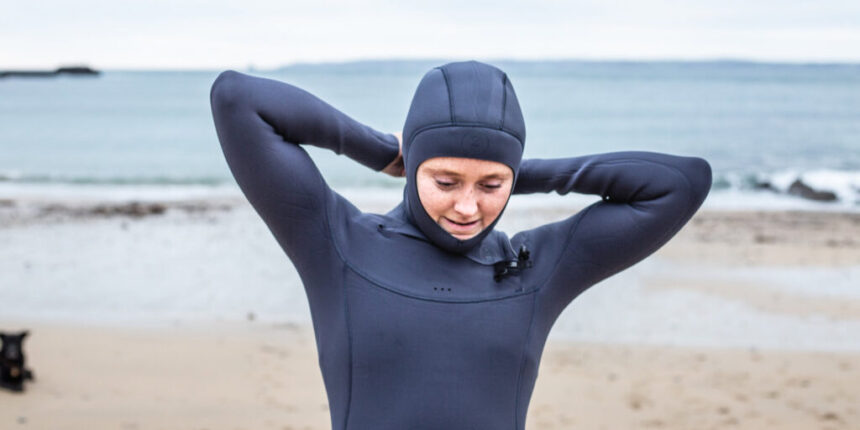
Choosing the right wetsuit thickness is one of the most important decisions for any diver, snorkeller, surfer, or swimmer. The wrong wetsuit can make your experience uncomfortable, shorten your dive time, or even put you at risk because your body loses heat faster in cold water. Many beginners feel confused about which thickness to choose, especially when water temperatures vary across seasons and locations.
- Understanding wetsuit thickness in simple words
- Why water temperature matters when choosing wetsuit thickness
- Wetsuit thickness guide by water temperature
- Warm water above 25°C (77°F)
- Moderate warm water 21°C to 24°C (70–75°F)
- Mild cold water 16°C to 20°C (60–68°F)
- Cold water 10°C to 15°C (50–59°F)
- Very cold water below 10°C (Below 50°F)
- Other things to consider when choosing wetsuit thickness
- Your personal cold tolerance
- Wind and weather conditions
- Activity level
- Fit and comfort of the wetsuit
- Wetsuit material quality
- Different types of wetsuits based on thickness
- Full wetsuit
- Shorty wetsuit
- Springsuit
- Semi-dry wetsuit
- Drysuit
- Tips for choosing the perfect wetsuit thickness as a beginner
- Frequently asked questions
- Final thoughts
In this complete guide, you will learn exactly how to pick the right wetsuit thickness for any water temperature. This article explains what thickness means, how water temperature affects your body, and how different wetsuits are designed for different conditions. Everything is explained in simple language so anyone can understand it.
If you are a beginner and want more helpful diving guides, you can also explore our detailed tutorials at Scooba Dive Guide. You can visit our homepage anytime at scoobadiveguide.com for more beginner-friendly scuba resources.
Let’s dive in.
Understanding wetsuit thickness in simple words
Wetsuit thickness is measured in millimetres. You might see numbers like 3/2mm, 5mm, or 7mm on wetsuit labels. These numbers tell you how thick the neoprene material is.
For example:
A 3/2mm wetsuit means
• 3mm thickness on the torso
• 2mm thickness on the arms and legs
Why is it different?
Your chest and stomach need more warmth, so the neoprene is thicker there. Your hands and legs need more flexibility for movement, so the neoprene is thinner in those areas.
Thicker neoprene means more warmth but less flexibility. Thinner neoprene means more movement but less insulation. Your goal is to find the right balance based on water temperature.
Why water temperature matters when choosing wetsuit thickness
Water takes heat away from your body faster than air. Even warm water can feel cold after 10–20 minutes if your wetsuit is too thin. When you dive or swim deeper, the temperature becomes even cooler, which is why wetsuit thickness matters for safety and comfort.
Cold water can cause:
• Shivering
• Fatigue
• Loss of concentration
• Faster air consumption during scuba diving
• Hypothermia in severe cases
A wetsuit keeps you safe by trapping a thin layer of water inside. Your body warms this water, and the neoprene prevents heat from escaping.
Understanding how temperature affects your body makes it easy to choose the right wetsuit.
Wetsuit thickness guide by water temperature
Below is a simple, easy-to-follow guide you can use anywhere in the world. This helps you decide which wetsuit thickness is right for your next dive, snorkelling trip, or surf session.
Warm water above 25°C (77°F)
For warm water, you don’t need a thick wetsuit. Many divers choose a thin wetsuit, a shorty, or even a wetsuit vest.
Recommended thickness:
• 1mm top
• 2mm shorty
• 2/1mm springsuit
This is perfect for tropical locations like Andaman and Nicobar, Lakshadweep, Maldives, Thailand, and Bali. These wetsuits protect you from the sun, small stings, and minor scrapes while still keeping you comfortable.
Moderate warm water 21°C to 24°C (70–75°F)
This temperature requires slightly more warmth. A full wetsuit is more comfortable here.
Recommended thickness:
• 3/2mm full wetsuit
• 2mm or 3mm shorty (for snorkelling)
A 3mm wetsuit is the most commonly used suit for warm to mild conditions. It’s easy to wear, flexible, and great for beginners.
Mild cold water 16°C to 20°C (60–68°F)
If the water is mild cold, you must use a thicker wetsuit to avoid getting chilled quickly.
Recommended thickness:
• 4/3mm full wetsuit
• 5mm full wetsuit (for scuba diving)
Divers often choose 5mm because dive sessions can last longer and the deeper layers of water are colder.
Cold water 10°C to 15°C (50–59°F)
This temperature range requires extra protection. Without the right wetsuit, your body can become cold very fast.
Recommended thickness:
• 5mm or 6mm full wetsuit
• 7mm wetsuit for long scuba dives
In this range, many divers also add:
• A hood
• Gloves
• Booties
These accessories help reduce heat loss from your head, hands, and feet.
Very cold water below 10°C (Below 50°F)
This is extremely cold and only suitable for trained divers. A normal wetsuit is not enough.
Recommended thickness:
• 7mm wetsuit with hood, gloves, boots
• Semi-dry wetsuit
• Drysuit (best option for freezing water)
If you plan to dive in icy lakes or cold oceans, a drysuit is the safest choice because it keeps your body completely insulated from water.
Other things to consider when choosing wetsuit thickness
Temperature is the main factor, but it is not the only one. A few more things affect the level of warmth your body needs.
Your personal cold tolerance
Every person feels cold differently. Some people get cold very fast even in warm water. If you get cold easily, go one thickness higher than the recommended range. If you rarely feel cold, you may choose a thinner wetsuit.
Wind and weather conditions
Wind cools your wet wetsuit faster. If you plan to stay above water between dives or surf in windy weather, choose a slightly thicker suit.
Activity level
When you move more, your body stays warm. Surfing and freediving involve more movement, so a thinner wetsuit may be enough. Scuba diving involves slow movements, so divers usually need a thicker wetsuit.
Fit and comfort of the wetsuit
Even the thickest wetsuit won’t keep you warm if it doesn’t fit properly. A wetsuit should feel snug but not so tight that it affects your breathing or movement. If it is too loose, cold water will keep entering and make you feel cold.
Wetsuit material quality
Higher-quality neoprene keeps you warmer even in thinner suits. Premium brands use flexible neoprene that feels soft, warm, and comfortable. Cheaper wetsuits work too, but the insulation is not as strong.
Different types of wetsuits based on thickness
Many beginners think thickness is the only thing that matters, but wetsuits come in different styles. Knowing these will help you choose the perfect one for your activity.
Full wetsuit
A full wetsuit covers your arms and legs completely. It provides the best warmth and is the most popular choice for scuba divers.
Shorty wetsuit
A shorty has short sleeves and short legs. It is comfortable, easy to wear, and perfect for warm water. Many snorkellers love this style.
Springsuit
A springsuit is in between a full suit and a shorty. It gives more warmth than a shorty while still offering good flexibility.
Semi-dry wetsuit
A semi-dry suit has tight seals at the wrists, ankles, and neck. It keeps most water out and is great for cold waters.
Drysuit
A drysuit keeps your body completely dry. You wear warm layers inside it. This is used for extremely cold water below 10°C.
Tips for choosing the perfect wetsuit thickness as a beginner
If you are a beginner and still confused, follow these simple tips:
Choose a wetsuit that fits you snugly.
Check the water temperature before your trip.
Consider how long you will stay in the water.
Think about wind and weather conditions.
Pick a thickness that suits your activity.
If you want more dive gear tips and beginner guides, you can also check our detailed articles at scoobadiveguide.com where we publish easy underwater tutorials for new divers.
Frequently asked questions
What wetsuit thickness is best for scuba diving?
Most scuba divers use 3mm, 5mm, or 7mm wetsuits depending on the water temperature. For tropical locations, 3mm is perfect. For colder waters, 5mm or 7mm is better.
Can I use a 3mm wetsuit in cold water?
A 3mm wetsuit is not suitable for water below 20°C. You will feel cold within minutes. Choose a 5mm or 7mm wetsuit for cold conditions.
What wetsuit thickness is good for beginners?
A 3mm full wetsuit is the best all-round thickness for beginners because it works in many warm to mild water temperatures.
Should I choose a wetsuit or a drysuit?
Choose a wetsuit for warm to mild cold waters. Choose a drysuit for extremely cold water below 10°C.
Do thicker wetsuits make it harder to move?
Yes. Thicker wetsuits are less flexible, but modern neoprene designs make them comfortable enough for scuba diving and water sports.
Final thoughts
Choosing the right wetsuit thickness is easy when you understand water temperature and how your body reacts. Whether you dive in tropical waters or cooler oceans, wearing the correct wetsuit helps you stay safe, comfortable, and confident underwater.
If you want more beginner guides, visit scoobadiveguide.com for tutorials, scuba gear tips, and travel guides.