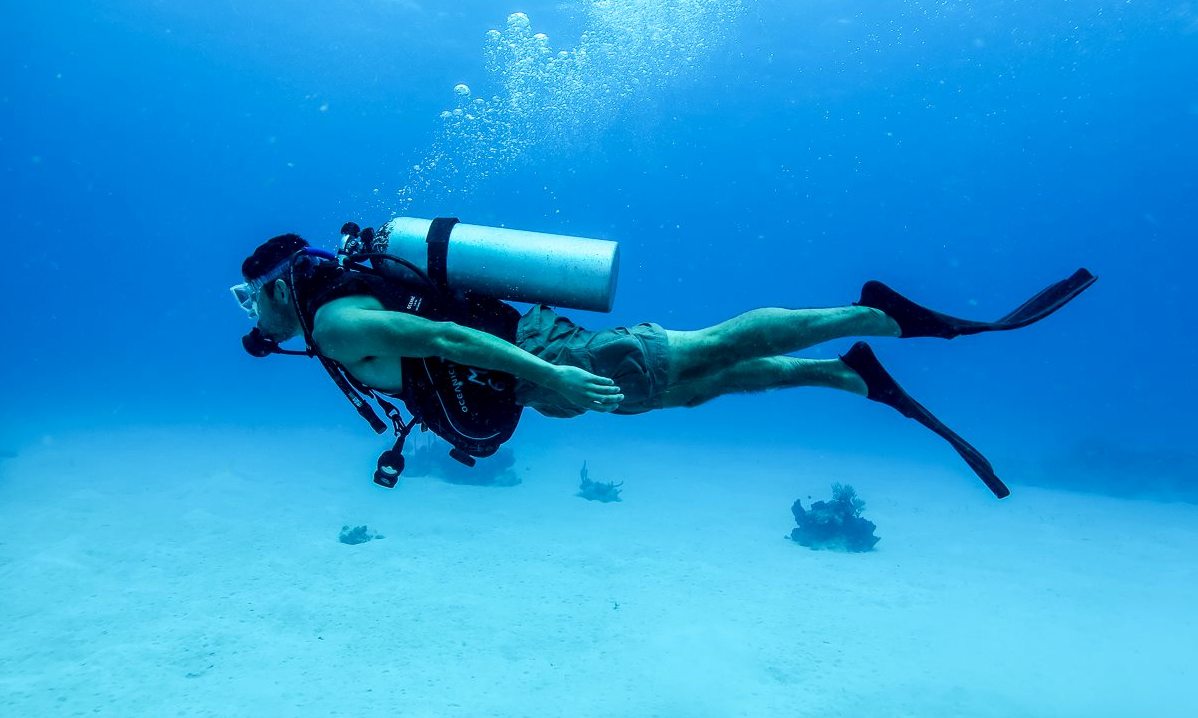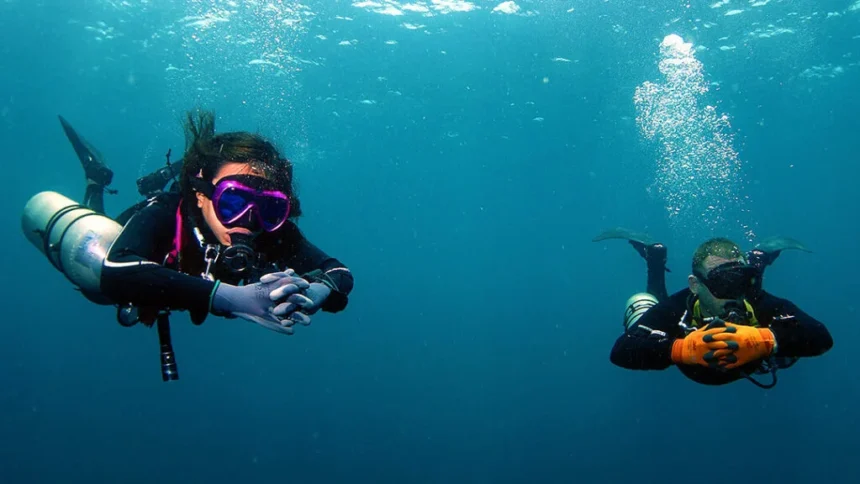
Decompression stop diving is one of the most important concepts every diver must understand before entering deep waters. Whether you are a beginner or an experienced diver, knowing how decompression works can help you avoid serious health problems and enjoy safer underwater adventures. This guide explains decompression stop diving in simple words, why it matters, and how you can follow safe practices during every dive.
- What Is Decompression Stop Diving?
- Why Do Divers Need Decompression Stops?
- What Happens If You Don’t Do Decompression Stops?
- Decompression Stop Diving Meaning Explained Simply
- Decompression Stop vs Safety Stop
- How Long Is a Decompression Stop?
- Decompression Stop Depth and How It Is Decided
- Diving Decompression Tables: How They Help
- Should You Use a Decompression Stop Calculator?
- Diving Decompression Sickness and How to Prevent It
- Can You Dive After Having Decompression Sickness?
- How Did Chris Survive 28 Minutes Without Oxygen?
- Decompression Diving: When Do You Need It?
- Final Thoughts: Dive Safe, Dive Smart
- FAQs
This article also answers common questions like what happens if you skip a decompression stop, how long a decompression stop lasts, and whether you can dive again after having decompression sickness. If you want to learn more about safe diving, detailed guides, and diving tips, visit ScoobaDiveGuide.com for trusted information.
What Is Decompression Stop Diving?
Decompression stop diving means that a diver must pause at certain depths during the ascent to allow the body to release dissolved nitrogen safely. When you dive deep, your body absorbs nitrogen because of the increased water pressure. If you swim up too fast, this nitrogen forms bubbles inside your body, which can cause decompression sickness.
A decompression stop helps your body get rid of this nitrogen slowly and safely by staying at a specific depth for a required amount of time. This is a planned and controlled part of many deep dives, especially those that go beyond normal recreational diving limits.
Why Do Divers Need Decompression Stops?
When the body is under high pressure underwater, nitrogen dissolves into the blood and tissues. This is normal and safe as long as the diver ascends slowly. But if the ascent is too quick, nitrogen bubbles form, and these bubbles can damage tissues, block blood flow, and cause severe symptoms.
Decompression stops help reduce these risks by allowing the gas to leave the body at a safe rate. They act like a safety valve, giving your body enough time to equalise pressure.
What Happens If You Don’t Do Decompression Stops?
Skipping a required decompression stop can lead to decompression sickness, also known as “the bends.” This condition can range from mild to life-threatening. Symptoms may include joint pain, dizziness, fatigue, numbness, chest pain, breathing problems, and in severe cases, paralysis.
In extreme situations, untreated decompression sickness can cause long-lasting damage or death. That is why trained divers always follow the correct ascent rate and use dive tables or calculators to plan their decompression schedule.
If you want to avoid such risks, it’s important to understand dive planning and follow safe diving practices. ScoobaDiveGuide.com provides detailed guides that can help you learn more about safe diving habits.
Decompression Stop Diving Meaning Explained Simply
In simple words, the meaning of decompression stop diving is to stop at a certain depth for a short time while going up, so your body can safely release nitrogen. Think of it like taking a break while climbing up a mountain to let your body adjust. It prevents pressure-related problems and keeps you healthy during and after the dive.
Decompression Stop vs Safety Stop
Many new divers confuse decompression stops with safety stops. While both involve stopping at a depth during ascent, they are not the same.
A decompression stop is mandatory for certain deep dives, while a safety stop is recommended for most dives but not always required.
A safety stop usually lasts for three minutes at around five metres. It provides an extra layer of protection, even when the dive itself does not require decompression.
A decompression stop, on the other hand, is not optional and always follows a strict schedule based on your dive plan, bottom time, and depth.
Understanding the difference helps you plan your dive more confidently and avoid mistakes.
How Long Is a Decompression Stop?
The length of a decompression stop depends on many factors such as the depth of the dive, the time spent underwater, and the diver’s physical condition. Some decompression stops last only a few minutes, while others can take 20 to 30 minutes or even longer.
Technical divers who go to extreme depths often have multiple decompression stops at different levels. This staged ascent helps them release nitrogen slowly and avoid pressure-related injuries.
Decompression Stop Depth and How It Is Decided
The depth at which a decompression stop is required depends on dive tables, dive computers, or decompression calculators. These tools calculate how much nitrogen has built up in your body and determine the safest depth to stop.
The most common decompression stop depths are between three and nine metres, but technical divers may have stops at deeper levels. Always make sure your dive computer is updated and that you understand how to read it.
Diving Decompression Tables: How They Help
Diving decompression tables are charts that tell you how long you can stay underwater at a certain depth and how many decompression stops you need while coming up. They were used long before dive computers existed and are still trusted as a backup method today.
These tables show:
• No-decompression limits
• Required stop depths
• Required stop times
Many diving schools still teach students how to read decompression tables because they help divers understand how nitrogen behaves in the body.
If you want to learn more about how these tables work, ScoobaDiveGuide.com provides beginner-friendly guides to help you master them step by step.
Should You Use a Decompression Stop Calculator?
A decompression stop calculator makes dive planning easier by automatically calculating the safest ascent schedule. It considers depth, dive time, water temperature, and sometimes even your physical condition.
Many divers prefer using dive computers, but a decompression calculator can be a useful backup or planning tool. It helps you avoid mistakes and gives you a clear idea of how long your dive can safely last.
Diving Decompression Sickness and How to Prevent It
Decompression sickness happens when nitrogen bubbles form in the body during a fast ascent. The best prevention is simple: ascend slowly, follow your decompression stops, and never push your body beyond its limits.
Other preventive tips include staying hydrated, avoiding alcohol before a dive, controlling your breathing underwater, and planning all dives using tables or calculators.
If you ever feel strange after a dive, seek medical help immediately. Even mild symptoms should not be ignored.
Can You Dive After Having Decompression Sickness?
If you have experienced decompression sickness, you should wait until a certified diving doctor tells you it is safe to dive again. Some divers may return to diving after treatment, while others may be advised to avoid deep dives in the future.
Never rush back into the water without proper clearance, because your body needs time to heal.
How Did Chris Survive 28 Minutes Without Oxygen?
This question refers to a real-life survival story where a diver named Chris survived an extremely long period without oxygen after getting trapped underwater. His survival was due to very cold water that slowed his body functions dramatically. This is not typical and should never be seen as something that a normal diver can expect to survive.
It is a reminder that diving can be unpredictable and that proper safety training is essential before every dive.
Decompression Diving: When Do You Need It?
Decompression diving is needed when you go beyond no-decompression limits. Recreational divers usually try to stay within these limits to avoid long stops. But technical divers and professional divers often go beyond these limits, which means planned decompression diving becomes necessary.
This type of diving requires proper training, specialised equipment, and strict planning. Never attempt decompression diving without professional guidance.
Final Thoughts: Dive Safe, Dive Smart
Decompression stop diving is a core skill that every diver must understand. When you follow proper decompression rules, plan your dives correctly, and use a reliable dive computer, you greatly reduce your risk of decompression sickness. If you want more guides, tips, and tutorials on scuba diving, visit ScoobaDiveGuide.com to explore more helpful resources.
FAQs
What is decompression stop diving?
It is the process of stopping at specific depths during ascent to allow the body to release nitrogen safely.
What happens if you skip a decompression stop?
Skipping a required decompression stop can cause decompression sickness, which can be dangerous.
How long is a decompression stop?
It varies depending on the dive depth and time, but it can last from a few minutes to over half an hour.
Can you dive again after decompression sickness?
Yes, but only after a diving doctor gives you approval.
What is the difference between a safety stop and a decompression stop?
A safety stop is recommended for extra safety, while a decompression stop is mandatory on deeper dives.