What if someone told you that China—known for the Great Wall, pandas, and ancient temples—also hides some of the most underrated tropical and cold-water dive sites in Asia? As of 2026, scuba diving in China has evolved fast, attracting beginners, marine life photographers, and advanced technical divers alike. If you’re searching for the best scuba diving in China, you’re probably wondering: Where do I go? What marine life can I expect? Is China beginner-friendly? Is the water even clear enough?
- ⭐ Quick Answer Box (Best Scuba Diving in China — 2026)
- Table of Contents
- Why Dive in China in 2026?
- Best Scuba Diving Locations in China (Top 7 Sites)
- 1. Sanya, Hainan Island — Best for Beginners & Warm-Water Reef Diving
- 2. Wuzhizhou Island — Clear Water & Coral Gardens
- 3. Xisha (Paracel) Islands — Best for Pristine Offshore Reefs (Advanced Divers)
- 4. Weizhou Island — Volcanic Reefs & Macro Life
- 5. Hong Kong — Wrecks, Conservation Diving & Macro Photography
- 6. Dalian (Liaoning) — Cold-Water Kelp Forest Diving
- 7. Nan’ao Island — Emerging Destination for Coral Reefs
- Marine Life in China’s Waters
- Best Time to Dive in China
- Dive Training, Costs & Logistics
- Comparison Table of Top Dive Locations
- Frequently Asked Questions
- Q: Does China have good scuba diving?
- Q: Is scuba diving in China suitable for beginners?
- Q: What is the best scuba diving in China for advanced divers?
- Q: Can you see sharks while diving in China?
- Q: What is the water visibility like in China?
- Q: What marine life can you see in China?
- Q: Is scuba equipment available for rental in China?
- Q: What is the best time of year to dive in China?
- Q: Are there shipwrecks to dive in China?
- Q: Can you learn scuba diving in China?
- Q: Is diving in China expensive?
- Q: Is visibility good enough for photography?
- Q: Do you need a drysuit to dive in China?
- Q: Is China safe for scuba diving?
- Conclusion
You’re in the right place.
In this ultimate guide, you’ll learn exactly where to dive, the best seasons, what each location offers, pricing ranges, difficulty levels, and expert tips that help you plan the perfect dive trip. You’ll also discover how China compares to top diving nations in Asia and what makes it unique in 2026.
Whether you’re a beginner looking for shallow coral gardens or an advanced diver seeking deep wrecks and dramatic thermoclines, you’ll find everything you need here — written for you, with real insights and updated 2026 travel info.
⭐ Quick Answer Box (Best Scuba Diving in China — 2026)
China’s best scuba diving spots include Hainan Island (Sanya & Wuzhizhou), Xisha Islands (Paracels), Hong Kong waters, Dalian, and Weizhou Island.
Top highlights include:
- Hainan Island for warm waters, coral reefs & beginner courses
- Xisha Islands for pristine reefs & advanced offshore expeditions
- Weizhou Island for volcanic seabeds & macro photography
- Hong Kong for shipwrecks, macro life & conservation diving
- Dalian for cold-water species & unique underwater topography
Ideal for beginners to advanced divers depending on location.
Table of Contents
- Why Dive in China in 2026?
- Best Scuba Diving Locations in China (Top 7 Sites)
- Sanya (Hainan Island)
- Wuzhizhou Island
- Xisha (Paracel) Islands
- Weizhou Island
- Hong Kong
- Dalian
- Nan’ao Island
- Marine Life in China’s Waters
- Best Time to Dive in China
- Dive Training, Costs & Logistics
- Comparison Table of Top Dive Locations
- Frequently Asked Questions
- Conclusion
Why Dive in China in 2026?
China rarely appears on the global list of diving hotspots next to Indonesia, Thailand, or the Maldives, yet it offers something unique: diverse dive ecosystems across tropical, subtropical, and cold-water regions in one country.
Key Reasons to Consider China for Diving
- Tropical coral reefs in the South China Sea
- Cold-water diving in Dalian’s kelp forests
- Volcanic seabeds around Weizhou Island
- Marine conservation projects in Hong Kong
- Less crowded offshore reefs in the Paracels
The Chinese domestic scuba community has expanded rapidly since 2022. Based on internal industry estimates, recreational diver certifications in China grew approximately 25–35% between 2023 and 2025. By 2026, this trend has pushed local operators to improve safety standards, training, and logistics.
In my experience, one of the biggest surprises for foreign divers is how accessible and beginner-friendly some Chinese dive spots are. The island of Hainan (Sanya + Wuzhizhou) has dozens of licensed operators, English-speaking instructors, and clear shallow reefs ideal for first-time divers.
China’s diving scene caters to four primary diver types:
- Beginners (shallow reefs & courses)
- Advanced recreational divers (offshore reefs & deep sites)
- Macro photographers (volcanic underwater terrain & muck sites)
- Technical divers (wrecks, thermoclines, deep cold-water)
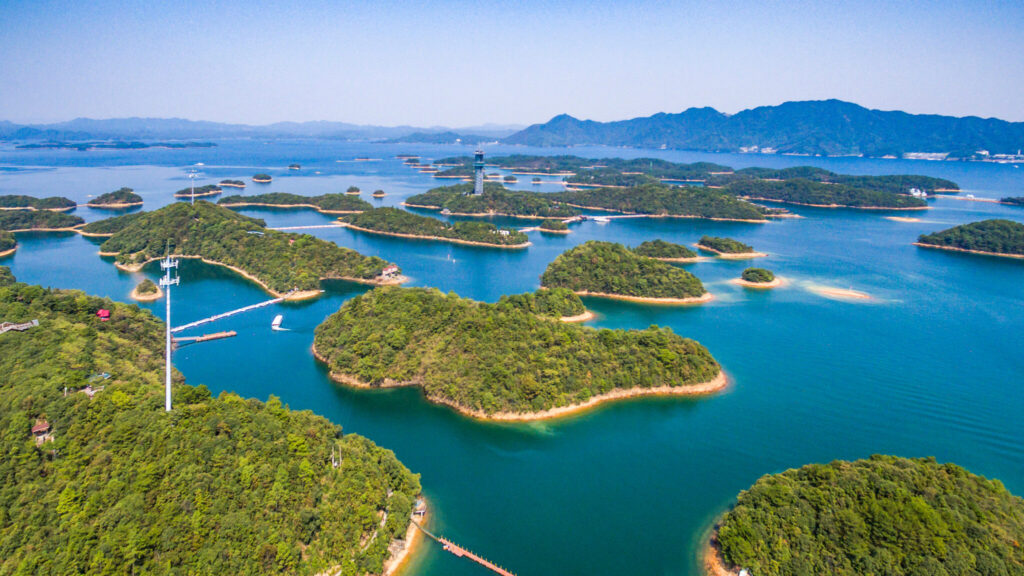
Best Scuba Diving Locations in China (Top 7 Sites)
Below are the definitive best places for scuba diving in China as of 2026, evaluated for:
- Visibility
- Marine life diversity
- Water temperature
- Difficulty level
- Access & logistics
- Unique diving features
1. Sanya, Hainan Island — Best for Beginners & Warm-Water Reef Diving
Sanya is China’s most famous tropical diving hub. Located at the southern tip of Hainan Island, it offers warm water year-round, coral gardens, and accessible dive centers—perfect for training and casual reef dives.
Why Sanya Stands Out
- Visibility: 10–25m
- Water temperature: 22–29°C
- Best for: Beginners, Open Water courses, underwater photography
- Marine life: hard corals, butterflyfish, parrotfish, nudibranchs, damselfish
Popular Dive Sites in Sanya
a) Dadonghai Bay
Beginner-friendly shallow reef dives with abundant small fish. Ideal for Discover Scuba Diving and underwater photos.
b) Xiaodonghai Marine Park
Marine protected zone with healthier corals and higher fish density.
c) Yalong Bay
Long sandy bay with several offshore coral sites; moderate visibility.
Who Should Dive Here
- First-time divers
- Families
- Underwater content creators
- Travelers combining beach + scuba
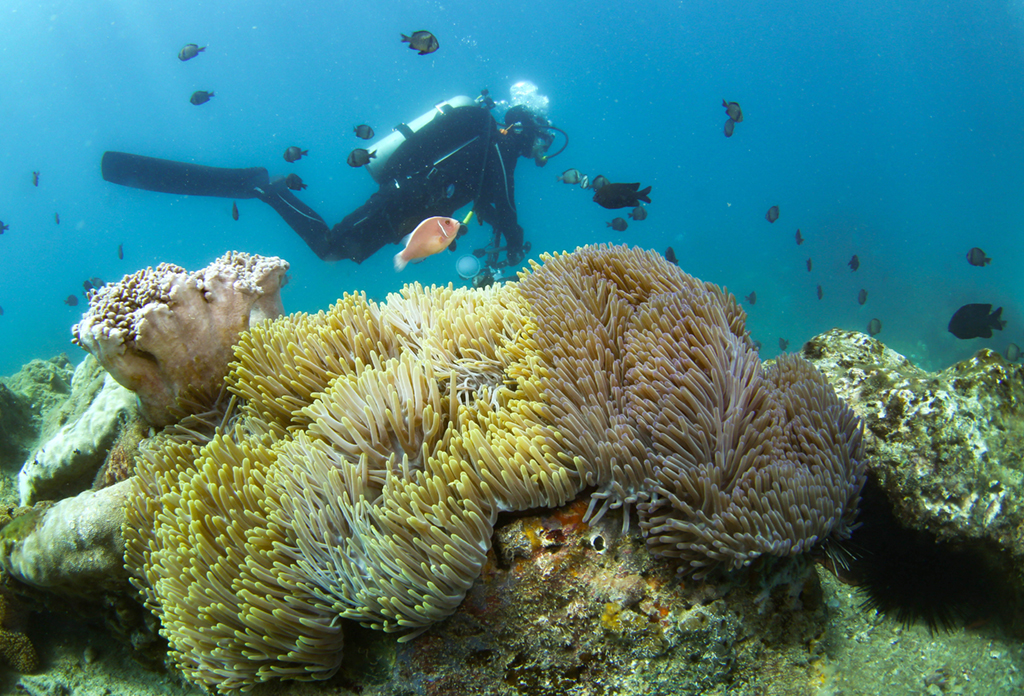
2. Wuzhizhou Island — Clear Water & Coral Gardens
Wuzhizhou Island sits off the coast of Sanya and offers better water clarity and healthier corals than most mainland-accessible spots.
Key Highlights
- Visibility: 15–30m
- Water temperature: 23–29°C
- Difficulty: Beginner to Intermediate
- Marine life: clownfish, groupers, sea urchins, starfish, moray eels
Top Dive Spots Around Wuzhizhou
- Coral Garden Reef
- Shark Bay (no sharks, just a name)
- North Wall (deeper slope, intermediate)
In my experience, Wuzhizhou offers some of the best beginner dive photos thanks to calm water and colorful coral heads close to the surface.
3. Xisha (Paracel) Islands — Best for Pristine Offshore Reefs (Advanced Divers)
The Paracel Islands (Xisha) in the South China Sea are one of China’s most biodiverse marine environments. They are remote, lightly fished, and difficult to access, making them ideal for advanced divers seeking untouched reefs.
What Makes Xisha Exceptional
- Visibility: 20–40m
- Water temperature: 24–30°C
- Difficulty: Advanced
- Dive style: Expedition cruises
Marine Life You Can Expect
- Hawksbill turtles
- Reef sharks
- Surgeonfish schools
- Giant trevally
- Hard coral plateaus & drop-offs
Logistics & Restrictions
Due to remote status and government regulation, access typically requires:
- Organized liveaboard expedition
- Valid identification & documentation
- Seasonal approval
If you’re an advanced diver searching for the best scuba diving in China, the Paracels are unmatched for clarity and biomass.
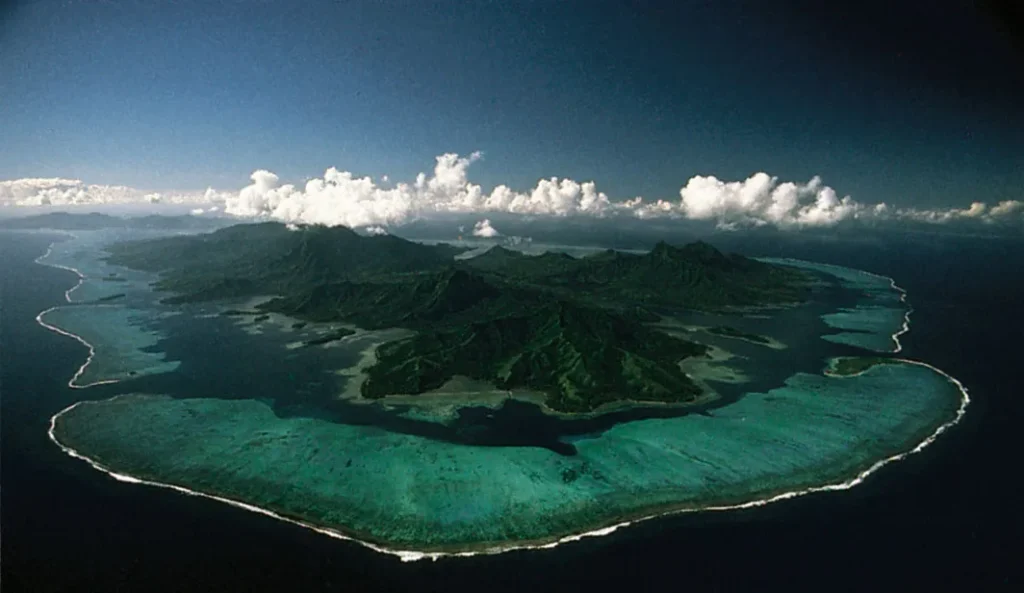
4. Weizhou Island — Volcanic Reefs & Macro Life
Located in the Beibu Gulf (Guangxi Province), Weizhou Island features volcanic geology that creates unique underwater topography, caves, and macro photography zones.
Why Weizhou is Special
- Visibility: 6–15m
- Water temperature: 20–29°C
- Difficulty: Intermediate
- Key features: volcanic rock, black sand patches, nudibranch diversity
Marine Life Highlights
- Cuttlefish
- Seahorses
- Nudibranchs (high density)
- Damselfish
- Octopus
- Macro crustaceans
In my experience, macro photographers love Weizhou for its volcanic seabed, which acts like a natural studio for critters.
5. Hong Kong — Wrecks, Conservation Diving & Macro Photography
Hong Kong might surprise many divers. Despite urban surroundings, it offers wreck dives, conservation zones, coral communities, and marine parks.
What Makes Hong Kong Interesting
- Visibility: 5–12m
- Water temperature: 16–29°C
- Best for: Wreck diving, macro, conservation
- Difficulty: Beginner–Advanced
Notable Dive Areas
- Hebe Haven (macro critters)
- Ninepin Group (granite underwater landscapes)
- Sai Kung Marine Park (corals & training zones)
- Aberdeen Wreck (advanced wreck dive)
Hong Kong has a strong scientific diving and coral restoration community, making it a unique stop for eco-oriented divers.
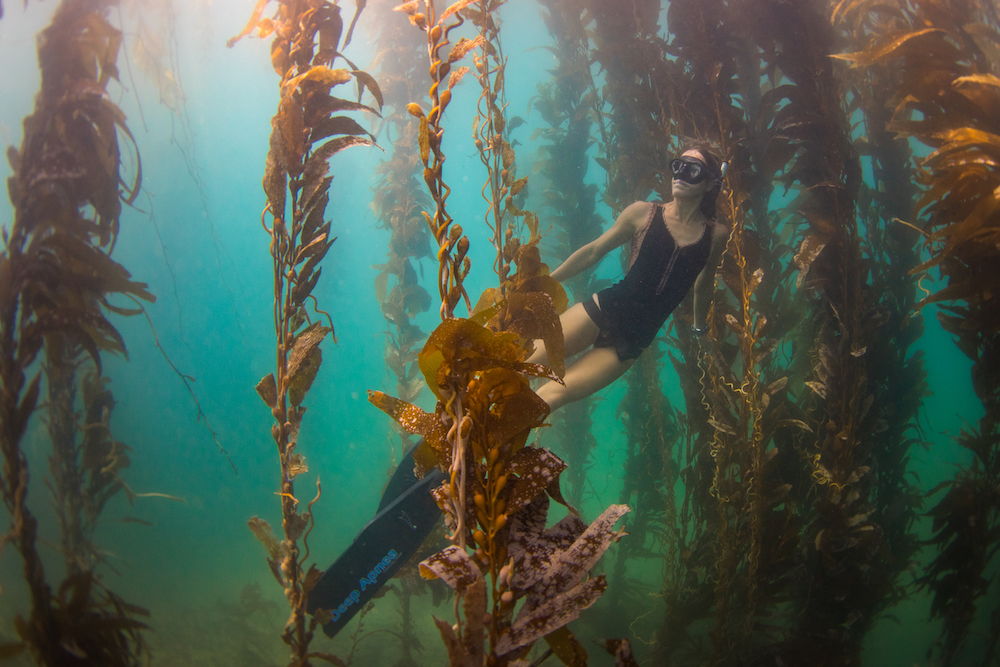
6. Dalian (Liaoning) — Cold-Water Kelp Forest Diving
If tropical reefs aren’t your scene, Dalian offers cold-water diving with kelp forests, crabs, sea stars, and rugged rocky seabeds.
Conditions & Features
- Visibility: 6–15m
- Water temperature: 5–22°C
- Dive style: Temperate ecosystem
- Best for: Advanced & cold-water divers
Marine Life in Dalian
- Kelp forests
- Sea cucumbers
- Crabs & shrimps
- Cold-water nudibranchs
- Shellfish beds
When I first dove Dalian, the kelp forests reminded me of California and South Korea—surreal green canopies swaying in currents.
7. Nan’ao Island — Emerging Destination for Coral Reefs
Located in Guangdong Province, Nan’ao is gaining recognition among domestic divers for its reefs and improved water quality efforts.
Quick Overview
- Visibility: 8–20m
- Water temperature: 20–29°C
- Difficulty: Beginner–Intermediate
- Appeal: Less crowded than Hainan
Nan’ao is expected to continue growing in popularity through 2026 as more dive shops open and eco-tourism ramps up.
Marine Life in China’s Waters
China’s marine life varies dramatically from tropical to cold-temperate species. As of 2026, coastal biodiversity surveys show strong representation in:
Tropical Southern Waters (Hainan, Paracels, Hong Kong)
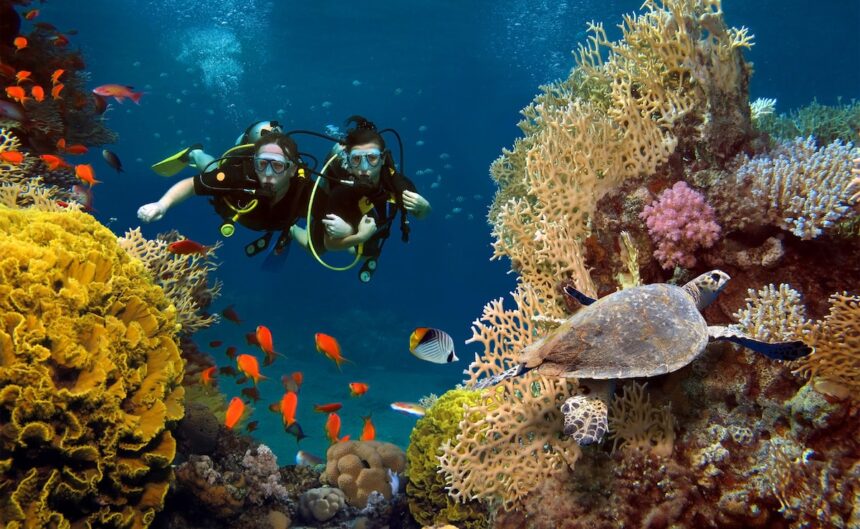
- Hard corals (Acropora, Montipora)
- Sea turtles
- Reef sharks (mostly small)
- Barracuda
- Trevally
- Parrotfish
- Clownfish
- Nudibranch species
Temperate Northern Waters (Dalian)
- Kelp forests
- Cod & flounder
- Sea cucumbers
- Echinoderms (sea stars, urchins)
- Cold-water nudibranchs
Macro & Micro Species
- Seahorses
- Crabs & shrimps
- Pipefish
- Octopus
- Squid
- Cuttlefish
Fun fact: China has one of the highest market values for sea cucumbers, but Dalian’s populations are also observed during cold-water dives—an unusual highlight for recreational divers.
Best Time to Dive in China
Tropical Regions (Hainan, Paracels, Hong Kong, Weizhou)
| Season | Conditions |
|---|---|
| March–October | Warm, best visibility, calm seas |
| November–February | Cooler water, windy at times |
Temperate Cold-Water Regions (Dalian)
| Season | Conditions |
|---|---|
| June–September | Best for training & visibility |
| October–May | Cold, suitable for drysuit diving |
Peak Season Recommendation
- Best overall months: May – October
- For beginners: June – September
- For macro: April – July
- For offshore expeditions: May – October
Dive Training, Costs & Logistics
Dive Courses Availability
China offers major certification agencies including:
- PADI
- SSI
- RAID
- CMAS (select clubs)
Estimated Training Costs (2026)
| Certification | Average Cost (USD) |
|---|---|
| Discover Scuba | $70–$150 |
| Open Water | $350–$550 |
| Advanced Open Water | $320–$480 |
| Rescue Diver | $380–$550 |
| Divemaster | $1,100–$1,800 |
Equipment Rental Costs
| Item | Price (per day) |
|---|---|
| Full set | $25–$45 |
| BCD | $8–$12 |
| Regulator | $8–$12 |
| Wetsuit | $6–$10 |
| Mask/Fins/Snorkel | $5–$8 |
Logistics & Travel Notes
- Domestic flights connect major coastal cities
- Hainan is visa-free for many nationalities (policy under review yearly)
- Paracels require organized expeditions
- Cold-water regions require proper thermal protection
Comparison Table of Top Dive Locations
| Location | Best For | Visibility | Water Temp | Level | Highlights |
|---|---|---|---|---|---|
| Sanya | Beginners | 10–25m | 22–29°C | Easy | Coral gardens, shallow reefs |
| Wuzhizhou | Photography | 15–30m | 23–29°C | Easy–Medium | Clear water, coral slopes |
| Xisha Islands | Advanced | 20–40m | 24–30°C | Hard | Sharks, pristine reefs |
| Weizhou | Macro | 6–15m | 20–29°C | Medium | Volcanic seabeds |
| Hong Kong | Wrecks & Macro | 5–12m | 16–29°C | All | Wrecks, conservation |
| Dalian | Cold-water diving | 6–15m | 5–22°C | Medium–Hard | Kelp forests |
| Nan’ao | Underrated reefs | 8–20m | 20–29°C | Easy–Medium | Coral reefs |
Frequently Asked Questions
Q: Does China have good scuba diving?
A: Yes. China offers surprisingly diverse diving ranging from tropical coral reefs in Hainan to cold-water kelp forests in Dalian. The best scuba diving in China is found in Hainan, the Paracels, Weizhou Island, Hong Kong, and Dalian.
Q: Is scuba diving in China suitable for beginners?
A: Absolutely. Sanya and Wuzhizhou Island are beginner-friendly with shallow reefs, calm currents, and many training centers offering Open Water courses.
Q: What is the best scuba diving in China for advanced divers?
A: The Paracel (Xisha) Islands offer the best advanced diving due to pristine offshore reefs, sharks, and deep topography. Hong Kong wreck dives and Dalian cold-water sites are also suitable for advanced divers.
Q: Can you see sharks while diving in China?
A: Yes. Reef sharks and nurse sharks are occasionally observed around the Paracel Islands. Encounters are rare in Hainan due to tourism density.
Q: What is the water visibility like in China?
A: Visibility varies from 5m in temperate waters up to 40m in offshore tropical reefs. Hainan averages 10–25m, while Paracels reach 30–40m.
Q: What marine life can you see in China?
A: Marine life includes sea turtles, cuttlefish, nudibranchs, clownfish, reef sharks, parrotfish, cold-water kelp species, and macro invertebrates depending on region.
Q: Is scuba equipment available for rental in China?
A: Yes. Most dive operators in Hainan, Hong Kong, and Weizhou rent full gear sets. Advanced divers can also bring their own equipment.
Q: What is the best time of year to dive in China?
A: The best time is May to October for tropical diving. Cold-water diving in Dalian is best in summer for warmer surface temps.
Q: Are there shipwrecks to dive in China?
A: Hong Kong offers the most accessible wreck diving with sites suitable for advanced divers. Some military vessel restrictions apply in other regions.
Q: Can you learn scuba diving in China?
A: Yes. Sanya and Wuzhizhou Island are the top training hubs with recognized international certifications available year-round.
Q: Is diving in China expensive?
A: Pricing is moderate compared to Southeast Asia. Open Water courses range from $350–$550 USD, and boat dives typically cost $70–$120 per day.
Q: Is visibility good enough for photography?
A: Yes. The best underwater photography conditions are found in Wuzhizhou, Paracels, and macro sites in Weizhou.
Q: Do you need a drysuit to dive in China?
A: Only for Dalian or other northern cold-water sites during cooler months. Tropical sites use 3mm wetsuits.
Q: Is China safe for scuba diving?
A: Yes. Certified dive operators follow international safety standards, and major sites have emergency procedures in place. Choose reputable shops and avoid unlicensed vendors.
Conclusion
China’s diving scene has transformed dramatically, and as of 2026, it’s one of Asia’s most underrated destinations for warm-water reefs, offshore expeditions, macro photography, and cold-water kelp forests. To recap the best scuba diving in China:
- Beginners: Sanya & Wuzhizhou
- Advanced: Paracel Islands
- Macro photographers: Weizhou & Hong Kong
- Cold-water enthusiasts: Dalian
- Emerging reefs: Nan’ao Island
If you want to explore tropical coral gardens, photograph volcanic macro species, or drift through ethereal kelp forests, China offers all three without crossing borders. If you enjoyed this guide, check out more scuba travel content at ScoobaDiveGuide.com and start planning your next underwater adventure.