Have you ever wondered what happens when a diver surfaces too quickly? Or what that special medical chamber is that saves divers’ lives in emergency situations? Understanding the diving decompression chamber is essential for anyone interested in scuba diving, whether you’re just starting out or planning your first dive trip.
- What is a Decompression Chamber?
- How Does a Diving Chamber Work?
- Hyperbaric Chamber Indications for Divers
- Types of Hyperbaric Chambers for Scuba Divers
- Understanding Hyperbaric Chamber Bends Treatment
- Where to Find Diving Decompression Chambers
- Preparing for Potential Chamber Treatment
- The Science Behind Hyperbaric Oxygen Therapy
- Safety Considerations and Diving Best Practices
- Making Informed Decisions About Diving Safety
- Frequently Asked Questions About Diving Decompression Chambers
A diving decompression chamber, also known as a hyperbaric chamber, is a pressurized medical device that treats divers suffering from decompression sickness and other pressure-related injuries. This life-saving equipment works by recreating underwater pressure conditions in a controlled environment, allowing medical professionals to safely treat diving injuries that occur when dissolved gases form bubbles in the body during ascent.
In this comprehensive guide, we’ll explore everything you need to know about decompression chambers, how they work, when they’re used, and why every diver should understand their importance. Whether you’re researching diving safety or preparing for your certification, this information could one day save your life or someone else’s.
What is a Decompression Chamber?
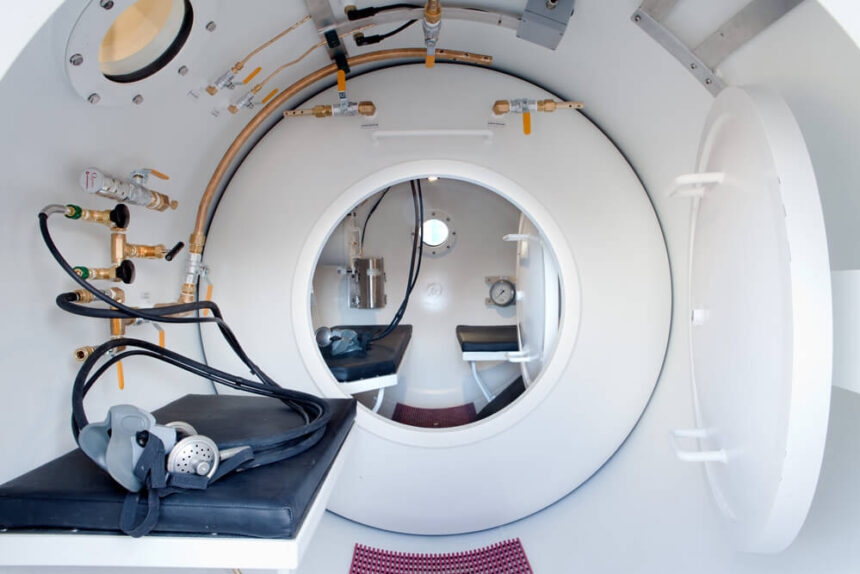
A decompression chamber is a sealed, pressurized room or tube designed to treat divers and other patients who need exposure to different atmospheric pressures. Think of it as a special medical room where doctors can control the air pressure inside, just like changing the depth underwater, but in a safe and controlled way.
These chambers come in different sizes. Some are small enough to fit just one person lying down, while others are large enough to hold multiple patients and medical staff who can walk around inside. The chamber is built with thick steel walls and special windows that can withstand very high pressure without breaking.
Inside the chamber, the pressure can be increased or decreased gradually, mimicking the experience of diving deeper or ascending to the surface. This controlled environment allows medical professionals to treat pressure-related injuries effectively. The chamber is equipped with communication systems, monitoring equipment, and ports for passing medical supplies in and out without changing the internal pressure.
The technology behind these chambers has been around for over a century, but modern decompression chambers are highly sophisticated pieces of medical equipment. They include safety features, backup systems, and precise pressure controls that make them incredibly safe for treating patients.
How Does a Diving Chamber Work?
Understanding how a diving chamber works helps you appreciate why it’s so effective at treating diving injuries. When you dive, your body absorbs nitrogen from the compressed air you breathe. The deeper you go and the longer you stay down, the more nitrogen dissolves into your blood and tissues.
During a normal, controlled ascent, this nitrogen is released gradually through your lungs as you breathe. However, if you ascend too quickly, the nitrogen doesn’t have time to escape properly. Instead, it forms bubbles in your blood and tissues, similar to opening a fizzy drink too fast. These bubbles can block blood flow, damage tissues, and cause serious medical problems.
The decompression chamber solves this problem by recreating the underwater pressure environment. When a diver enters the chamber, medical staff gradually increase the pressure inside. This increased pressure forces the nitrogen bubbles to shrink back into solution in your blood and tissues, just like they were underwater.
Once the bubbles are dissolved again, the pressure is decreased very slowly and carefully over several hours. This gives your body plenty of time to release the nitrogen safely through your lungs without forming new bubbles. The treatment follows specific protocols that have been developed and tested over many years.
During treatment, the patient breathes pure oxygen through a mask. This oxygen helps remove nitrogen from the body more quickly and provides additional therapeutic benefits. The combination of controlled pressure changes and oxygen therapy makes decompression chamber treatment highly effective.
Hyperbaric Chamber Indications for Divers
Knowing when a diver needs hyperbaric chamber treatment can be the difference between a full recovery and permanent injury. The most common reason divers need a diving chamber is decompression sickness, often called “the bends.” This condition happens when nitrogen bubbles form in the body during or after a dive.
Symptoms of decompression sickness can appear immediately after surfacing or up to 24 hours later. Divers might experience joint pain, particularly in the shoulders, elbows, or knees. Some people describe a deep, aching pain that gets worse over time. Skin rashes, itching, or a mottled appearance can also occur.
More serious symptoms include numbness or tingling in the arms or legs, weakness, difficulty walking, or problems with coordination. In severe cases, divers may experience chest pain, difficulty breathing, confusion, vision problems, or even loss of consciousness. Any of these symptoms after diving should be treated as a medical emergency requiring immediate hyperbaric treatment.
Another diving injury that requires chamber treatment is arterial gas embolism. This serious condition occurs when air bubbles enter the bloodstream and travel to vital organs like the brain or heart. It typically happens when a diver holds their breath while ascending or ascends too rapidly. Symptoms appear quickly and include loss of consciousness, seizures, or stroke-like symptoms.
Beyond diving injuries, hyperbaric chambers treat various other medical conditions. Carbon monoxide poisoning, severe infections, wounds that won’t heal, and certain types of tissue damage all respond well to hyperbaric oxygen therapy. However, for divers, understanding the diving-specific indications is most important for safety.
Types of Hyperbaric Chambers for Scuba Divers
Different types of decompression chambers serve different purposes in the diving world. Understanding these variations helps you know what to expect if treatment is ever needed. The two main categories are monoplace chambers and multiplace chambers, each with specific advantages.
Monoplace chambers are designed for single patients. These chambers look like large tubes, similar to an MRI machine. The patient lies down inside while the entire chamber is pressurized with pure oxygen. These chambers are simpler to operate, require less space, and are less expensive to run. Many hospitals and diving clinics have monoplace chambers because they’re practical for treating individual patients.
Multiplace chambers are large enough to hold several people at once. These walk-in rooms allow medical staff to be inside with patients during treatment. This setup is particularly valuable for critically ill patients who need constant medical attention. Patients in multiplace chambers breathe oxygen through masks or hoods while the chamber itself is pressurized with regular air.
Portable hyperbaric chambers exist for emergency situations in remote diving locations. These lightweight chambers, sometimes called “diving bags,” can be carried to dive sites where permanent facilities aren’t available. While not as sophisticated as hospital chambers, they can stabilize a patient and begin treatment until transport to a full facility is possible.
The choice of chamber type depends on the patient’s condition, available facilities, and local resources. All properly maintained chambers following safety protocols are effective for treating decompression sickness and arterial gas embolism. The most important factor is getting to any working chamber as quickly as possible when treatment is needed.
Understanding Hyperbaric Chamber Bends Treatment
Treatment for the bends in a hyperbaric chamber follows carefully designed protocols that have been refined over decades of clinical experience. The standard treatment is called a recompression table, which specifies exactly how pressure should be increased, maintained, and decreased over time.
The most commonly used protocol is called Treatment Table 6. When a patient enters the chamber, pressure is increased to simulate a depth of 60 feet underwater. The patient breathes pure oxygen during this time, with periodic air breaks to prevent oxygen toxicity. This initial compression usually takes about 20 minutes.
The patient remains at this pressure for a specified time while breathing oxygen. This allows the nitrogen bubbles to redissolve and begin safely eliminating from the body. After this phase, pressure is gradually reduced in stages, with the patient alternating between breathing oxygen and regular air. The entire treatment typically takes about four and a half to five hours.
During treatment, medical staff constantly monitor the patient’s symptoms and vital signs. If symptoms improve, the treatment continues as planned. However, if symptoms don’t improve or get worse, the protocol can be extended or modified. Some patients need multiple treatment sessions over several days to achieve full recovery.
The patient experiences some interesting sensations during treatment. As pressure increases, ears need to be equalized just like when diving. The chamber gets warmer during compression and cooler during decompression. Some people feel tired or hungry after treatment because the body works hard to eliminate the excess nitrogen.
Success rates for hyperbaric treatment of decompression sickness are very high when treatment begins promptly. Most divers who receive treatment within a few hours of symptoms appearing make a complete recovery. Even divers with serious symptoms can recover fully with proper and timely chamber treatment. This is why knowing the location of the nearest chamber is an important part of dive planning.
Where to Find Diving Decompression Chambers
Knowing where the nearest hyperbaric chamber is located should be part of every dive trip planning process. Having this information ready can save precious time in an emergency situation. Most popular diving destinations have chambers nearby, but the distance can vary significantly.
Major diving destinations typically have dedicated hyperbaric facilities. Places like the Florida Keys, Hawaii, the Caribbean islands, and popular international dive spots usually maintain chambers specifically for treating diving injuries. These facilities often operate 24 hours a day and staff experienced in treating divers.
Many coastal hospitals in regions with active diving communities have hyperbaric chambers as part of their emergency services. These chambers might primarily treat other conditions but are equipped and trained to handle diving emergencies. Contact information for these facilities is usually available through local dive shops, training agencies, or emergency services.
The Divers Alert Network operates a 24-hour emergency hotline that can direct you to the nearest appropriate chamber anywhere in the world. Having this number programmed into your phone before any dive trip is a smart safety practice. DAN also coordinates medical evacuations and assists with treatment arrangements when needed.
Before diving in any new location, research chamber locations and emergency protocols. Talk to local dive operators about their emergency action plans. Know how long it would take to reach the nearest chamber from your dive site. This information helps you make informed decisions about dive planning and risk management.
Remote diving locations present special challenges. Some liveaboard dive boats and remote resorts maintain portable chambers for initial treatment and stabilization. However, evacuation to a full medical facility is usually necessary for complete treatment. Understanding these logistics before diving in remote areas is essential for safety.
Preparing for Potential Chamber Treatment
While no diver expects to need chamber treatment, being prepared makes a significant difference if an emergency occurs. Understanding what to expect and how to respond properly can improve outcomes and reduce anxiety during a stressful situation.
Diving insurance is your first line of financial protection. Chamber treatments are expensive, often costing thousands of dollars, and medical evacuation can add significantly to costs. Organizations like DAN offer insurance specifically designed for divers that covers chamber treatment, evacuation, and related medical expenses. This small investment provides enormous peace of mind.
Know your diving limits and stay well within them. Following proper ascent rates, making safety stops, and staying within no-decompression limits significantly reduces your risk of needing chamber treatment. Understanding the factors that increase decompression sickness risk helps you make safer diving decisions. Being older, dehydrated, tired, cold, or diving at altitude all increase risk.
Learn to recognize early warning signs of decompression problems. Unusual fatigue, mild joint discomfort, or skin itching after a dive might be early symptoms that get worse if ignored. When in doubt, seek medical evaluation. Early treatment is always more effective and has better outcomes than waiting until symptoms become severe.
Keep detailed records of your dives using a dive computer or logbook. If you do need chamber treatment, medical staff will want to know your dive profiles, depths, times, and surface intervals. This information helps them provide the most appropriate treatment. Your dive computer data can be invaluable in medical situations.
Stay calm if chamber treatment becomes necessary. Modern hyperbaric chambers are very safe, and the treatment, while time-consuming, is not painful. Medical staff will explain everything and monitor you throughout. Following their instructions and communicating any changes in symptoms helps ensure the best possible outcome.
The Science Behind Hyperbaric Oxygen Therapy
The therapeutic benefits of hyperbaric treatment go beyond just recompressing bubbles. Understanding the science helps explain why this treatment is so effective for diving injuries and other medical conditions. Oxygen plays a crucial role in the healing process.
Under increased pressure, oxygen dissolves more readily into your blood plasma. Normally, oxygen is carried primarily by red blood cells attached to hemoglobin molecules. However, in a hyperbaric chamber, the high pressure forces extra oxygen to dissolve directly into the liquid portion of blood. This dissolved oxygen can reach areas with blocked blood flow more easily than oxygen carried by red blood cells.
This increased oxygen delivery provides multiple benefits. It reduces swelling in injured tissues by constricting blood vessels while still delivering adequate oxygen. It helps fight certain types of bacteria that cannot survive in high-oxygen environments. It stimulates the formation of new blood vessels, improving long-term healing. These effects explain why hyperbaric therapy helps treat conditions beyond just diving injuries.
For divers, the combination of recompression and high oxygen levels works synergistically. The pressure shrinks bubbles while the oxygen helps eliminate nitrogen more quickly. Oxygen also helps repair any tissue damage caused by bubbles blocking blood flow. This dual action makes hyperbaric treatment uniquely effective for decompression illness.
The body’s response to hyperbaric oxygen continues even after treatment ends. Research shows that the therapy triggers beneficial cellular processes that continue for days or weeks. This is why some patients receive multiple hyperbaric treatments even after initial symptoms resolve. The continued healing effects maximize recovery and reduce the risk of long-term complications.
Scientists continue researching new applications for hyperbaric therapy. Studies are exploring its use for traumatic brain injury, stroke recovery, and various other conditions. For divers, this ongoing research reinforces the importance of these chambers in diving medicine and suggests the technology will continue improving.
Safety Considerations and Diving Best Practices
Preventing the need for chamber treatment is always better than needing it. Following established diving safety practices significantly reduces your risk of decompression sickness and other diving injuries. These practices are based on decades of diving experience and medical research.
Always dive within your training and certification limits. The guidelines you learned during certification courses are designed to keep you safe. Pushing beyond your training or experience level increases risk substantially. If you want to dive deeper, longer, or in more challenging conditions, get the appropriate additional training first.
Use a dive computer and follow its guidance carefully. Modern dive computers calculate your nitrogen loading in real time and provide safe ascent profiles. Never exceed the no-decompression limits shown on your computer. If you accidentally do, follow the emergency decompression procedures exactly as displayed. Understanding how your dive computer works and trusting its information is crucial for safety.
Make a safety stop at 15 feet for at least three to five minutes on every dive, even if your computer says it’s optional. This simple practice gives your body extra time to eliminate excess nitrogen and has been shown to reduce decompression sickness risk. Many experienced divers extend their safety stops even longer, especially after deeper dives.
Ascend slowly and never faster than 30 feet per minute. Many instructors recommend ascending even slower, around 10 to 20 feet per minute for the last 30 feet. Your ascent rate matters more than almost any other factor in preventing decompression problems. Taking your time on the way up is never wrong.
Stay well hydrated before and after diving. Dehydration thickens your blood and reduces circulation, making it harder for your body to eliminate nitrogen efficiently. Drink plenty of water before diving, between dives, and after your last dive of the day. Avoid alcohol before diving, as it contributes to dehydration.
Plan conservative dives, especially when making multiple dives per day or diving multiple days in a row. Your body accumulates nitrogen across multiple dives, even when you stay within computer limits on each individual dive. Taking a day off from diving every few days during a dive vacation allows your body to fully eliminate accumulated nitrogen.
Understanding the relationship between diving equipment and safety helps you make better choices. For example, knowing how much your equipment weighs can help you plan proper buoyancy control, which affects your ascent rate. Check out our detailed scuba tank weight chart to understand how tank selection impacts your diving configuration and safety.
Making Informed Decisions About Diving Safety
Armed with knowledge about decompression chambers and hyperbaric treatment, you can make smarter decisions about your diving activities. This information shouldn’t scare you away from diving but rather empower you to dive more safely and confidently.
Diving is remarkably safe when proper procedures are followed. Millions of dives happen each year with no incidents. Decompression sickness is relatively rare, especially among divers who follow training guidelines and dive conservatively. The availability of effective treatment through hyperbaric chambers makes diving even safer because medical solutions exist if problems occur.
Continue your diving education throughout your diving career. Take speciality courses that interest you, practice skills regularly, and stay current with diving safety information. Organizations like DAN publish regular updates on diving medicine and safety research. Staying informed helps you make better decisions and recognize potential problems early.
Talk openly with your dive buddies about safety concerns. Good dive buddies look out for each other, point out potential risks, and aren’t afraid to call a dive if conditions seem unsafe. Building a culture of safety among your diving friends makes everyone safer and more confident.
If you’re just starting your diving journey, take time to choose a reputable training agency and instructor. Quality instruction builds solid safety habits from the beginning. Don’t rush through training just to get certified quickly. The skills and knowledge you develop during training form the foundation for a lifetime of safe, enjoyable diving.
Ready to dive deeper into scuba diving safety and knowledge? Explore more expert guides and resources on Scooba Dive Guide to help you become a more confident, knowledgeable diver. Whether you’re planning your first dive or your thousandth, we’re here to support your underwater adventures with reliable information and practical advice.
Frequently Asked Questions About Diving Decompression Chambers
How much does hyperbaric chamber treatment cost?
Hyperbaric chamber treatment for decompression sickness typically costs between $5,000 and $20,000, depending on the number of sessions needed, location, and medical complexity. This is why diving insurance through organizations like DAN is so valuable. Most regular health insurance doesn’t cover diving-related injuries, making specialized diving insurance essential for anyone who dives regularly.
Can you bring someone with you in a decompression chamber?
In multiplace chambers, medical staff can be inside with you during treatment. However, support persons like family members typically cannot accompany you inside the chamber due to safety protocols and space limitations. They can usually watch through viewing windows and communicate with you via intercom systems. Monoplace chambers only accommodate the patient.
How long does chamber treatment take?
Standard treatment for decompression sickness takes approximately four and a half to five hours using Treatment Table 6, the most common protocol. However, treatment duration varies based on symptom severity and how you respond. Some patients need longer initial treatments or multiple sessions over several days. Extended treatments can last eight hours or more.
Is hyperbaric chamber treatment painful?
The treatment itself is not painful, though you’ll experience sensations similar to diving. Your ears will need to clear during compression, just like descending underwater. Some people find the chamber confining or experience mild claustrophobia. The treatment is generally well-tolerated, and medical staff are there to help with any discomfort.
What should you do if you suspect decompression sickness?
Stop diving immediately, even if symptoms are mild. Breathe normal air or oxygen if available. Stay lying down and call emergency services or the DAN emergency hotline. Do not attempt to drive yourself anywhere. Keep the affected person at rest, provide fluids if they’re conscious, and get to medical care as quickly as possible. Time is critical for the best outcomes.
Can recreational divers get decompression sickness?
Yes, recreational divers can get decompression sickness even when following their dive computers and staying within no-decompression limits. While the risk is low, it’s not zero. Factors like dehydration, rapid ascent, cold water, multiple dives, and individual physiology can all contribute. This is why conservative diving practices and awareness of symptoms are important for all divers.